
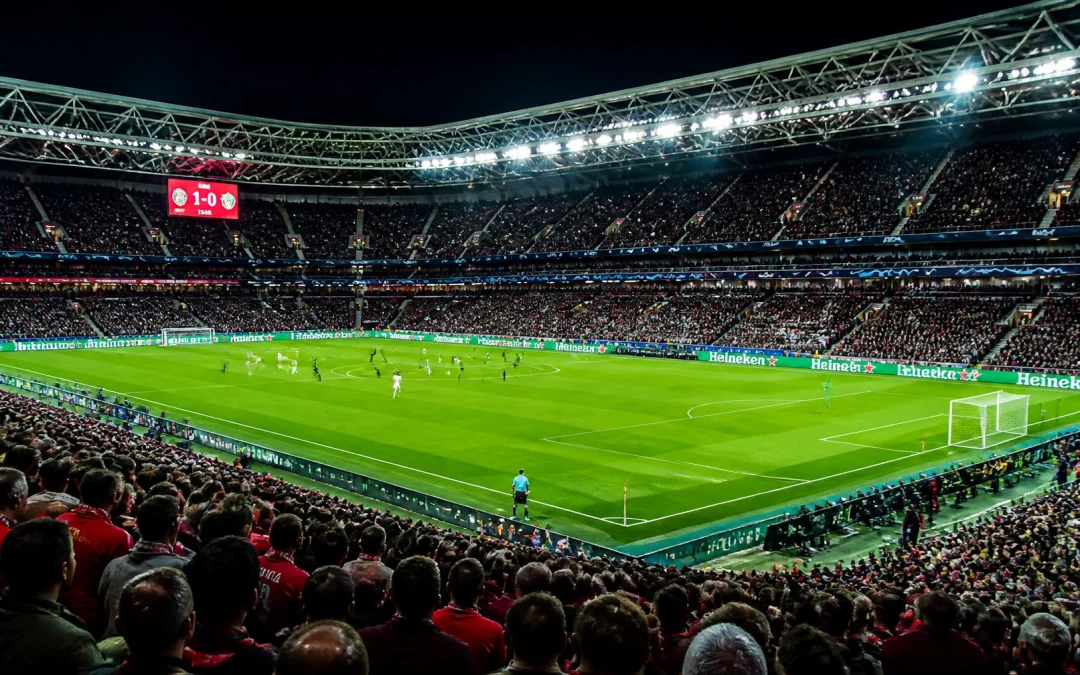
In modern sports marketing, capturing audience attention requires more than traditional static banners. Brands competing for consumer loyalty must integrate seamlessly into the live spectator experience. Stadium perimeter advertising has emerged as a premier channel for achieving this integration, bridging the gap between physical sports venues and digital media ecosystems. By combining high visibility with data-driven execution, sports marketers and chief marketing officers can elevate brand presence while delivering measurable value to audiences.
Objective and Strategy
The primary objective of modern stadium perimeter advertising is to embed brand messaging directly within the visual focal points of live sporting events. Unlike traditional advertisements that viewers frequently skip or ignore, perimeter boards sit inside the action. They remain visible during critical moments such as scoring plays, penalties, and instant replays.
A successful campaign relies on three core strategic pillars:
- Saturation: Maintaining consistent visual presence along the pitch boundary or court edge to build baseline familiarity.
- Context: Aligning creative content with the emotional intensity of the game, ensuring brand association coincides with high-excitement moments.
- Connectivity: Using physical signage as the starting point for a digital journey that continues on the fan's smartphone.
Through these mechanics, brands transition from passive visibility to active interaction, transforming a standard venue impression into a durable consumer connection.

Technology Partners and Execution
Executing high-impact stadium perimeter campaigns involves sophisticated technology infrastructure. Modern venues have largely replaced static printed signage with dynamic LED perimeter systems. These digital displays allow real-time content updates, multi-sponsor rotations, and sharp visual clarity that withstands rapid television camera pans.
Furthermore, integrating perimeter placements with programmatic digital out-of-home (DOOH) platforms allows advertisers to extend campaign reach beyond the stadium walls. Programmatic networks can target digital video boards within a ten-mile radius of sports arenas, ensuring that consumers encounter consistent brand messaging during their transit to and from the venue. This multi-touch approach reinforces brand recall across multiple points of the consumer journey. For deeper industry context on these technological shifts, review recent insights on sports DOOH innovation.
Creative Tactics and Best Practices
Designing effective content for stadium perimeter boards requires adherence to specific visual principles. Because spectators view these displays from various distances and viewing angles, simplicity and clarity are paramount.
Key creative guidelines include:
- Bold Typography: Utilizing thick, sans-serif fonts that remain legible during rapid motion and from distant seating tiers.
- High Contrast Palettes: Selecting contrasting color schemes that ensure instant visual recognition under changing lighting conditions.
- Dynamic Rotation: Cycling through varied messaging sequences to prevent banner blindness over the course of a multi-hour match.
- Actionable Call-to-Actions: Displaying straightforward prompts, such as QR codes for mobile offers or live polls, that align with second-screen behavior.
When creative assets are optimized for both in-stadium attendees and broadcast viewers, brands maximize the return on their sports marketing investments. Additional strategic perspectives are detailed in discussions on how stadium perimeter advertising supercharges fan engagement.

Results and Impact Measurement
Quantifying the success of out-of-home sports campaigns is essential for marketing leaders evaluating media spend. Industry studies demonstrate that dynamic, data-driven LED content yields approximately a 20 percent increase in brand recall compared to static signage alone.
When perimeter boards are synchronized with mobile retargeting campaigns, conversion rates experience notable lifts of roughly 15 percent over standalone out-of-home displays. Rights holders and media buyers measure value using granular metrics, including seconds on screen, share of screen, and exposure quality during high-impact broadcast windows. These data points allow brands to assess attribution accurately and refine future strategies. For comprehensive planning resources, explore the OOH Sports marketing hub.

Conclusion
Stadium perimeter advertising represents a cornerstone of effective sports marketing. By uniting high-visibility physical placement with programmatic DOOH capabilities and second-screen connectivity, brands achieve deep, meaningful engagement with sports enthusiasts. As media channels continue to evolve, integrating perimeter displays into comprehensive omnichannel campaigns remains a proven strategy for brands seeking lasting impact in the competitive sports landscape.