
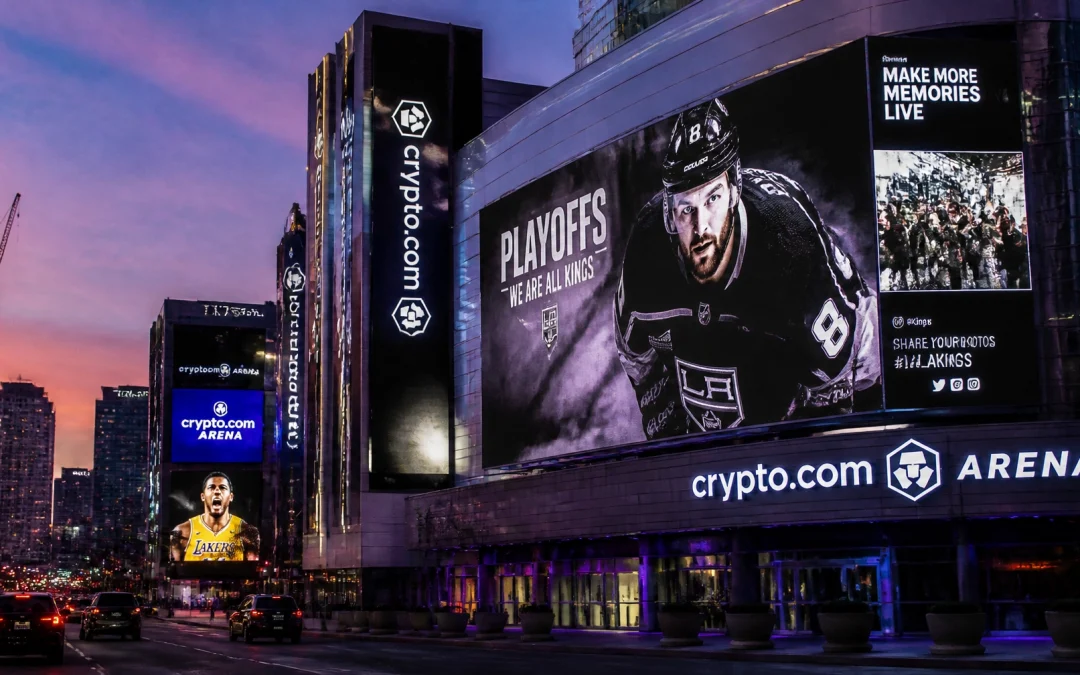
The landscape of sports marketing is undergoing a fundamental transformation. For decades, brand presence in sports relied on static signage, traditional stadium sponsorships, and broad broadcast placements. Today, digital out-of-home (DOOH) advertising has emerged as a high-impact channel that redefines how brands connect with sports enthusiasts. Driven by advanced programmatic capabilities, real-time data feeds, and precise geographic targeting, sports DOOH innovation allows advertisers to engage audiences across the entire fan journey, from the commute to the stadium to the post-game celebration. Industry leaders and media planners utilizing platforms such as OOH Sports are discovering that modern digital networks deliver unprecedented precision, contextual relevance, and measurable return on investment.
Objective and Strategy: Capturing Fan Intent Across the Full Journey
Traditional sports advertising often focuses exclusively on in-stadium impressions during match hours. However, modern consumer behavior reveals that fan engagement begins hours before kickoff and extends long after the final whistle. The primary objective of contemporary sports DOOH campaigns is to establish continuous touchpoints along the complete fan journey.
Strategic media planning now incorporates a perimeter of up to 10 miles around sports venues, targeting high-traffic transit hubs, arterial roadways, sports bars, and urban entertainment districts. By deploying targeted messaging across diverse screen formats, brands ensure message continuity as fans transition through various physical environments.
- Pre-Game Anticipation: Campaigns deploy countdown timers, matchup previews, and promotional offers along commuter routes leading to stadiums.
- Live-Match Synchronization: Billboards near sports bars and entertainment zones display real-time odds, lineup announcements, and interactive calls to action.
- Post-Game Reflection: Result-reactive creatives deliver celebratory or consolatory messaging, driving immediate digital actions and merchandise purchases.

Technology Partners and Programmatic DOOH Execution
Executing sophisticated sports DOOH campaigns requires robust technology infrastructure and reliable programmatic partners. Programmatic digital out-of-home platforms automate the buying and placement of ad inventory, allowing media buyers to execute data-driven campaigns with the same agility found in digital and mobile channels.
Through specialized demand-side platforms, advertisers access millions of impressions across digital screens nationwide. This technological shift enables campaign managers to adjust delivery parameters dynamically based on weather conditions, traffic density, audience demographics, and proximity to live events.
- Automated Buying: Programmatic platforms optimize bids in real time, ensuring optimal budget allocation across high-performing venue categories.
- Granular Control: Advertisers can pause, modify, or scale creative assets instantly across thousands of screens from a centralized dashboard.
- Omnichannel Integration: DOOH data feeds synchronize seamlessly with mobile and social campaigns, creating a unified ecosystem that maximizes audience reach and frequency.
Dynamic Creative and Real-Time Data Integration
One of the most significant leaps in sports DOOH innovation is the adoption of dynamic creative optimization powered by live sports data feeds. Rather than displaying static advertisements for weeks at a time, modern campaigns utilize application programming interfaces to ingest live scores, player statistics, and game outcomes instantly.
When a goal is scored or a major upset occurs, outdoor digital boards reflect the updated reality of the game within seconds. This responsiveness transforms outdoor advertising from a passive visual display into an active participant in the sporting event.
- Live Score Triggers: Advertisers in categories such as sports betting and quick-service dining display active odds and time-sensitive promotions tied directly to match progress.
- Contextual Relevance: Creatives adapt to local team rivalries, increasing emotional resonance and brand preference among targeted fan bases.
- Visual Clarity: High-contrast layouts and concise copy ensure rapid comprehension for commuters and pedestrians in motion.

Omnichannel Synergy and Mobile Retargeting
Outdoor digital advertising achieves maximum impact when integrated with digital and mobile devices. Modern sports campaigns leverage location data from mobile devices to identify users exposed to specific DOOH screens, establishing a clear link between physical exposure and subsequent digital behavior.
When fans view a brand message on a digital billboard during their transit to a game, programmatic attribution models enable immediate mobile retargeting. This sequential messaging strategy reinforces brand recall and drives measurable conversion actions.
- Cross-Channel Amplification: Studies indicate that combining DOOH exposure with subsequent mobile retargeting increases digital click-through rates by approximately 15 percent.
- Behavioral Retargeting: Device IDs captured near stadium perimeters allow brands to deliver tailored follow-up offers directly to fans' smartphones post-event.
- Seamless Funnel Progression: DOOH serves as an effective upper- and mid-funnel awareness driver, while mobile channels capture conversions, app downloads, and loyalty sign-ups.

Results, Attribution, and Measurable Fan Impact
Historically, out-of-home advertising faced skepticism regarding accurate attribution and performance measurement. Sports DOOH innovation has resolved this limitation by incorporating sophisticated analytics, foot-traffic attribution studies, and digital engagement tracking.
Campaign success is no longer evaluated solely on estimated impressions. Instead, advertisers measure verified audience volume, dwell times, and direct digital lift. Comprehensive attribution reports provide brand managers with transparent data regarding campaign effectiveness across specific screens and locations.
- Brand Lift Studies: Post-campaign surveys consistently demonstrate significant increases in brand preference ratings and purchase intent among exposed sports fans.
- Foot Traffic Analysis: Location intelligence data measures the precise lift in physical visits to retail stores, restaurants, or fan zones following DOOH exposure.
- Data-Backed Optimization: Continuous performance tracking allows media planners to refine audience targeting segments and creative variations mid-campaign, ensuring optimal return on ad spend.
As sports marketing continues to evolve, embracing DOOH innovation is no longer optional for brands seeking meaningful connections with modern consumers. By combining programmatic flexibility, real-time data integration, and rigorous measurement, advertisers can engage fans smoothly throughout their entire sporting journey.
