
In the modern media landscape, capturing consumer attention requires more than static banner ads and traditional broadcast spots. Sports fans today navigate a complex ecosystem of live broadcasts, social media feeds, and physical environments. For chief marketing officers, brand managers, and media buyers, reaching these audiences effectively demands an agile medium that merges the emotional intensity of live sports with the precision of digital targeting.
Digital out-of-home advertising, commonly known as DOOH, has emerged as the definitive solution for brands seeking high-impact engagement. By transforming physical screens into dynamic, data-driven touchpoints, sports DOOH innovation allows advertisers to break through commercial clutter. This comprehensive guide examines the strategic frameworks, technological advancements, and measurable outcomes that define successful sports DOOH campaigns today.
Objective and Strategy: Expanding Beyond the Stadium Walls
Traditional sports sponsorship relied heavily on static signage inside the arena, limiting audience exposure strictly to ticket holders. Contemporary sports marketing strategies, however, recognize that fan engagement begins long before kickoff and extends far beyond the stadium seating bowl.
The primary objective of advanced sports DOOH campaigns is to capture audience attention across the entire fan journey. This strategy involves mapping out-of-home media placements to critical touchpoints in urban environments, transit hubs, and commercial districts.

Key strategic pillars include:
- Pre-Game Awareness: Priming fans during their commute to the venue through roadside digital billboards and transit station screens.
- In-Game Momentum: Captivating local audiences gathered in sports bars, entertainment districts, and fan zones while the match is underway.
- Post-Game Resonance: Delivering celebratory or contextual messaging immediately following the final whistle to capitalize on heightened emotional states.
By shifting the focus from static enclosure to dynamic environmental immersion, brands establish a continuous narrative that accompanies fans throughout their matchday experience.
Technological Evolution: Programmatic DOOH and Real-Time Creative
The transformation of sports marketing is driven by two core technological advancements: programmatic buying and dynamic creative optimization. Together, these tools replace manual, long-term media reservations with automated, highly responsive campaign execution.
Programmatic platforms empower media buyers to activate, pause, and optimize DOOH campaigns across extensive digital networks using real-time audience data. Instead of purchasing broad blocks of time, campaigns target specific demographic cohorts, geolocation parameters, and behavioral segments.

Simultaneously, dynamic creative capabilities allow digital screens to adapt instantly based on external triggers. Advertisers configure creative assets to pull in live data feeds, including:
- Live Scores and Matchups: Updating visuals automatically as game states change.
- Weather and Environmental Factors: Adjusting promotional copy based on local temperature or precipitation.
- Odds and Statistical Feeds: Displaying real-time updates tailored to sports betting and fantasy league participants.
This technological integration ensures that every impression is contextually relevant, maximizing audience receptivity and engagement.
Perimeter Capabilities: Capturing the Fan Journey Around Venues
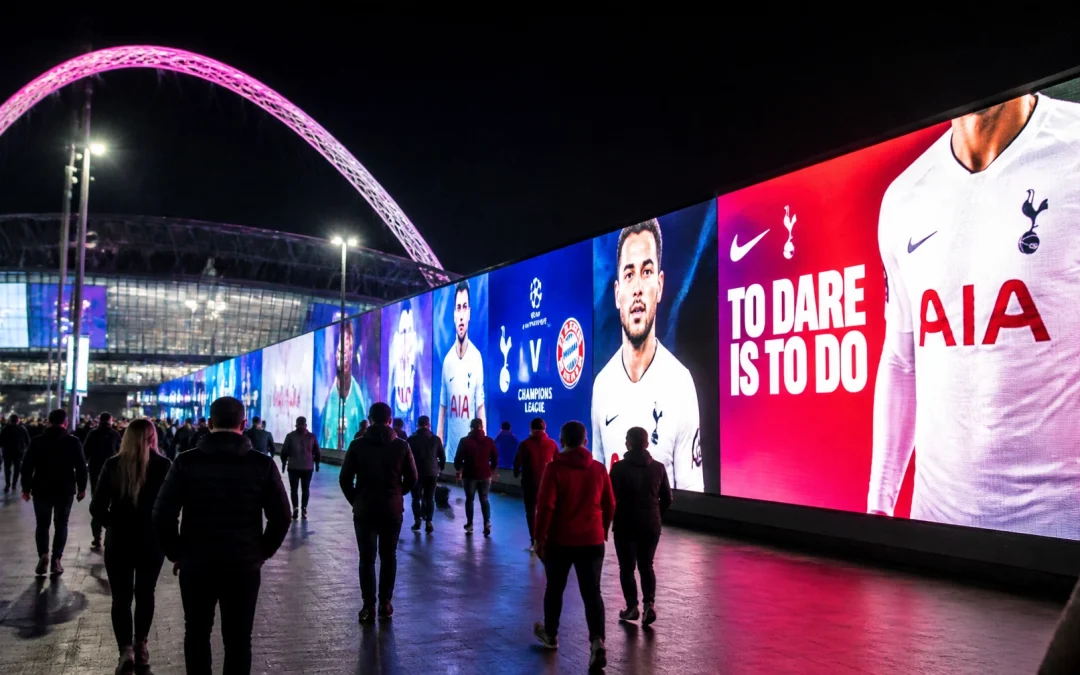
A critical element in modern sports advertising is the ability to dominate the physical perimeter surrounding major athletic facilities. OOH Sports provides advanced perimeter capabilities, granting brands access to digital video advertising boards situated within a strategic radius of up to 10 miles around sports venues.
This targeted approach surrounds arenas, stadiums, and training complexes with high-definition digital inventory. By establishing a comprehensive digital perimeter, brands engage high concentrations of consumers at the exact moment of peak enthusiasm.
Execution within this perimeter involves meticulous logistical planning:
- Audience Concentration: Targeting major arteries, parking corridors, and pedestrian walkways leading directly to stadium gates.
- Contextual Synchronization: Aligning screen content with the specific event schedule, ensuring messaging shifts smoothly from pre-event anticipation to post-event exodus.
- Geofenced Retargeting: Pairing physical DOOH exposure with mobile device identification to deliver complementary digital ads directly to nearby smartphones.
Through these perimeter capabilities, OOH Sports enables brands to claim ownership of the physical journey, turning every transit route and local plaza into a branded sports environment.
Results and Impact Measurement: Quantifying Brand Wins
Accountability remains a top priority for chief marketing officers and media planners. Unlike legacy outdoor advertising, sports DOOH provides robust attribution methodologies that quantify campaign effectiveness with precision.
Industry studies and campaign analytics consistently demonstrate the strong performance of programmatic sports DOOH. Key impact metrics include:
- Brand Awareness Lifts: Campaigns executed around major sporting tournaments frequently yield documented increases in brand consideration and recall among exposed cohorts.
- Tune-In and Purchase Intent: Integrating real-time sports data into outdoor creatives has been shown to drive significant surges in broadcast tune-in intent and immediate local retail sales.
- Footfall Attribution: Utilizing anonymized device ID tracking allows brands to measure physical visits to retail locations, venues, or dealerships following DOOH exposure.
- Cross-Channel Synergy: Pairing outdoor digital screens with mobile retargeting consistently elevates overall campaign performance, resulting in higher digital click-through rates and enhanced engagement.

By translating physical visibility into measurable data points, sports DOOH proves its value as a direct driver of business growth rather than a purely aesthetic branding exercise.
Practical Insights for Media Buyers and Brand Managers
To capitalize on the potential of sports DOOH innovation, media planners and brand executives must adopt structured execution methodologies. Implementing a successful campaign requires careful alignment across data partners, creative teams, and media channels.
Actionable recommendations for upcoming media plans include:
- Embrace Programmatic Flexibility: Utilize demand-side platforms to bid on sports-adjacent inventory dynamically, adjusting budgets based on team advancement or game popularity.
- Develop Modular Creative Assets: Design multiple creative variations that respond to game outcomes, ensuring messaging remains fresh and contextually accurate.
- Map the Full Fan Ecosystem: Combine stadium perimeter inventory with transit hubs and neighborhood screens to cover the complete consumer journey.
- Demand Transparent Measurement: Require post-campaign analytics that detail footfall attribution, brand lift, and audience reach across targeted venue perimeters.
Conclusion
Sports DOOH innovation represents a paradigm shift for modern advertisers. By combining programmatic efficiency, dynamic creative execution, and targeted venue perimeter access, brands move past traditional limitations to connect with audiences in meaningful ways. As sports culture continues to expand across digital and physical spaces, leveraging advanced out-of-home networks provides the definitive edge needed to achieve lasting brand wins.