
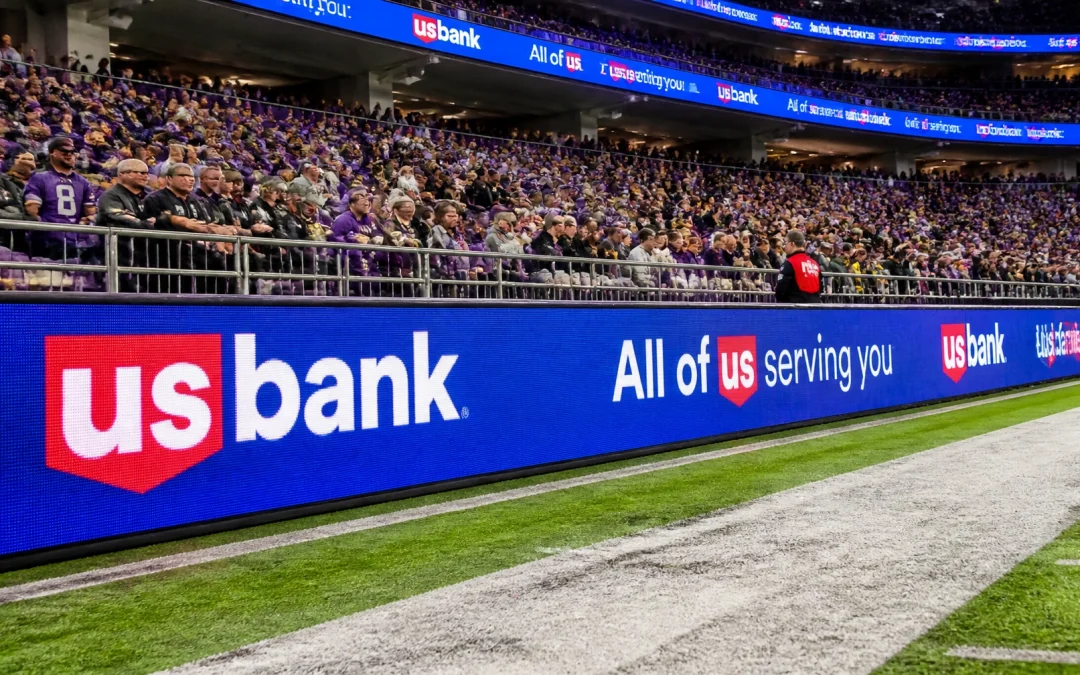
In the modern sports landscape, capturing the attention of audiences requires more than traditional, interruptive media. Brands competing for the loyalty of modern consumers must meet them where their passions run highest. Stadium perimeter advertising has emerged as a cornerstone of effective sports marketing, transforming passive visual exposure into an active fan engagement strategy. By integrating dynamic digital displays directly into the sports venue ecosystem, marketers can connect with deeply invested audiences in a non-disruptive, highly memorable manner.
For chief marketing officers, creative directors, and media buyers, understanding how to leverage stadium perimeter advertising alongside broader out-of-home networks unlocks unprecedented potential for brand recall and emotional connection. This guide explores the mechanics, benefits, and strategic deployment of perimeter advertising within modern OOH sports campaigns.
What Is Stadium Perimeter Advertising?
Stadium perimeter advertising refers to the placement of brand messaging along the boundaries of the playing field or arena floor. Historically composed of static painted banners, perimeter advertising has undergone a massive technological evolution. Today, advanced digital LED boards dominate top-tier venues, offering high-resolution video capabilities, vibrant color accuracy, and real-time content flexibility.
The power of this medium lies in its unique dual audience:
- In-Venue Spectators: Fans seated in the stadium have a direct, unobstructed line of sight to the perimeter boards throughout the entire match or event.
- Broadcast Viewers: Millions of viewers watching the game on television, streaming platforms, or social media clips are constantly exposed to perimeter placements as the camera tracks the action.
Because these advertisements wrap around the focal point of attention, they do not disrupt the viewing experience. Instead, brand messaging coexists with the excitement of the game, leveraging the heightened emotional state of the audience to drive deep psychological association.

Expanding the Footprint: The Ten-Mile Stadium Strategy
While in-stadium perimeter ads capture the live audience at peak intensity, the most successful brand campaigns do not stop at the stadium gates. Leading sports marketing strategies utilize an omnichannel approach that surrounds the venue with complementary digital out-of-home touchpoints.
Through specialized OOH sports networks, advertisers deploy digital video boards across a ten-mile perimeter surrounding major sports venues. This geofenced approach targets transit hubs, dining districts, parking corridors, and local entertainment zones where fans gather before and after the event.
- Game-Day Journey Coverage: Fans experience a cohesive brand narrative from the moment they arrive in the city until they exit the stadium area.
- Contextual Relevance: Creative assets are synchronized with game schedules, displaying tailored messaging only on event days to maximize relevance and budget efficiency.
- Frequency Without Fatigue: By diversifying screen locations across transit and retail environments, brands achieve optimal frequency without causing viewer fatigue.
Turning Signage Into Interaction: Second-Screen Integration
Modern digital perimeter boards are no longer limited to static or looping logo displays. Through programmatic DOOH capabilities and advanced LED software, brands can transform perimeter signage into interactive gateways for digital engagement.

Creative directors can design campaigns that prompt viewers to take immediate digital actions:
- Dynamic QR Codes: Displayed during key breaks in play, QR codes on perimeter boards invite fans to scan for exclusive merchandise discounts, mobile game content, or instant contest entries.
- Second-Screen Synchronization: Fans frequently use smartphones while watching sports. Linking stadium displays with mobile retargeting allows brands to capture second-screen attention instantly.
- Augmented Reality Triggers: Advanced campaigns incorporate AR elements that unlock virtual fan experiences, immersive product trials, or digital player meet-and-greets when scanned from the stands or concourse.
These mechanics bridge the gap between physical exposure and digital conversion, turning passive spectators into active participants in the brand ecosystem.
Measurable Impact and Brand Recall
For CMOs and media planners, accountability is essential. Traditional sports sponsorships often struggled with precise attribution, but digital out-of-home and stadium perimeter advertising offer robust metrics and verified performance data.
Studies across sports marketing networks consistently demonstrate the superior performance of venue-based DOOH:
- High Ad Recall: Sports venue digital displays achieve an average ad recall rate of approximately eighty-six percent, significantly outperforming standard television commercial breaks.
- Engagement Lift: Campaigns incorporating interactive triggers such as QR codes or mobile incentives achieve strong engagement rates, often ranging between fifteen and twenty percent.
- Behavioral Influence: Research indicates that fans exposed to integrated stadium and perimeter campaigns exhibit higher purchase intent for official team partners and sponsors, driving tangible return on investment.

Best Practices for Creative Directors and CMOs
Maximizing the effectiveness of stadium perimeter advertising requires a strategic approach to creative development and media planning. Industry leaders recommend several key practices:
- Match Fan Emotion Curves: Design distinct creative assets for pre-game anticipation, high-energy in-game moments, and post-game celebration. Aligning visual tone with the emotional state of the audience maximizes impact.
- Keep Copy Concise: Perimeter ads must be processed in seconds while fans watch fast-paced action. Use bold typography, high-contrast imagery, and clear branding rather than dense text.
- Integrate Omnichannel Touchpoints: Connect pitch-side perimeter displays with concourse screens, digital billboards along transit corridors, and mobile retargeting audiences for a unified campaign structure.
- Leverage Programmatic Flexibility: Utilize programmatic DOOH platforms to update creative assets in real time based on game scores, weather conditions, or opponent matchups.
Conclusion
Stadium perimeter advertising is a powerful vehicle for modern sports branding. By moving beyond traditional signage and embracing dynamic digital displays, geofenced out-of-home networks, and interactive second-screen mechanics, brands can achieve unprecedented levels of fan engagement. For marketing leaders seeking to cut through the noise, investing in a comprehensive stadium-adjacent strategy ensures that brand messaging resonates at the exact moment and place where sports passion runs highest.