
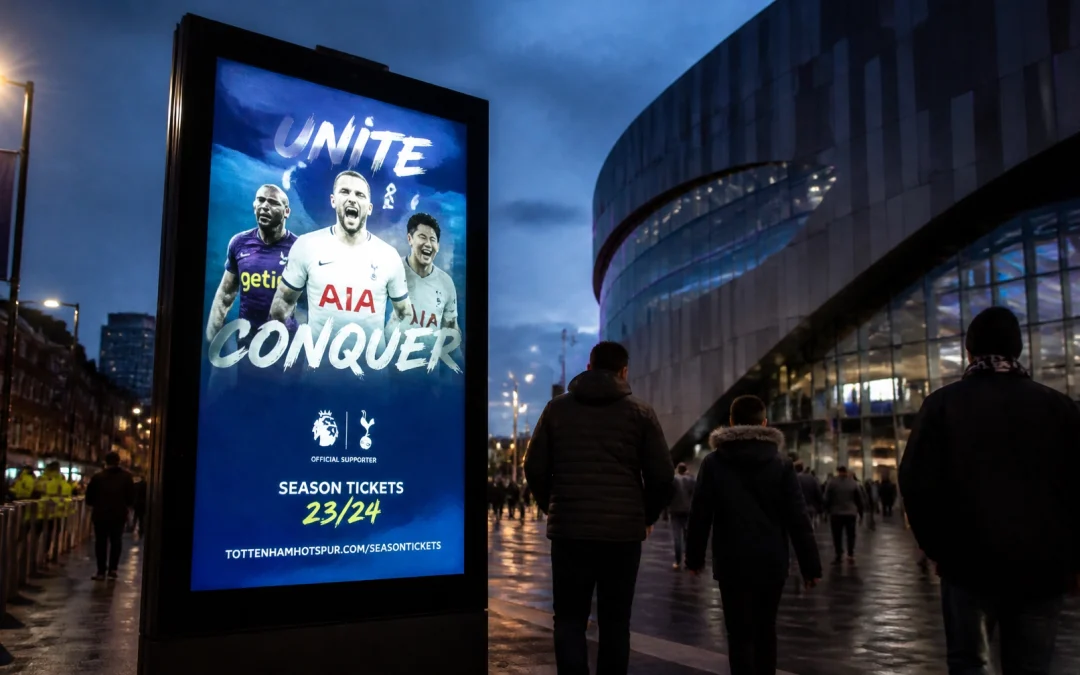
Welcome back to the OOH Sports subscriber newsletter. In the fast-moving world of media planning, sports advertising continues to set the benchmark for high-impact brand visibility. Over recent years, the landscape has transformed dramatically. Traditional static billboards and fixed arena signage have given way to sophisticated, responsive, and data-driven digital networks.
For brand managers, media buyers, and chief marketing officers, understanding this evolution is essential. Digital out-of-home (DOOH) sports advertising is no longer an experimental channel or a secondary add-on. It has matured into a core media pillar capable of delivering precision targeting, real-time creative flexibility, and measurable consumer action.
This post explores the key industry trends, technological innovations, and strategic opportunities shaping the future of DOOH sports advertising. Whether planning campaigns around major tournament brackets or building always-on perimeter strategies, these evergreen insights provide a practical roadmap for maximizing return on investment.
1. The Shift from Place-First to Audience-First Planning
Historically, outdoor advertising relied heavily on a place-first mindset. Advertisers selected physical billboards or stadium displays based primarily on location and visibility, assuming that sheer foot traffic would capture the right audience. Today, advanced audience mobility analytics have turned that approach upside down.
Modern DOOH sports strategies focus on fan behavior, transit patterns, and consumer movement across a wider geographic footprint. Rather than limiting campaigns to the interior bowl of a stadium, forward-thinking brands now leverage comprehensive 10-mile perimeters around sports venues. This broader ecosystem captures fans at every stage of their journey, including:
- Pre-game commutes and transit hubs.
- Local entertainment districts and hospitality venues.
- Tailgating zones and parking facilities.
- Post-game celebrations and retail centers.
By analyzing anonymized mobile data and audience movement flows, media planners can activate screen inventory only when high-value demographic segments are physically present. This audience-first approach eliminates wasted impressions and ensures that brand messaging reaches dedicated sports fans precisely where they spend their time. Additional strategic breakdowns are regularly updated on the OOH Sports Blog.
2. Programmatic DOOH as the New Baseline

Programmatic technology has fundamentally altered how media is bought and sold, and DOOH is no exception. Programmatic DOOH (pDOOH) has transitioned from an emerging innovation into standard operating procedure for leading sports advertisers.
Automated buying platforms give marketing teams unprecedented agility. Instead of locking in static contracts months in advance, buyers can now adjust campaign parameters dynamically. Key advantages of programmatic sports DOOH include:
- Real-Time Optimization: Media buyers can alter bidding strategies, dayparts, and geographic targets instantly based on live campaign performance data.
- Inventory Visibility: Centralized marketplaces provide clear visibility into available screens, pricing structures, and audience delivery metrics across multiple venue categories.
- Budget Flexibility: Campaigns can scale up rapidly during high-stakes games, playoff runs, or championship weekends without cumbersome manual insertion orders.
Real-world execution proves the power of this model. For instance, sophisticated programmatic campaigns executed across digital display networks have demonstrated remarkable effectiveness in driving brand metrics. Detailed campaign breakdowns and performance benchmarks are available through the OOH Sports Case Studies portal, highlighting successful initiatives such as the White Claw programmatic campaign.
3. Dynamic Creative Optimization and Live Game Triggers
Static creative assets are rapidly being replaced by Dynamic Creative Optimization (DCO). In sports advertising, relevance is everything. Fans engaged in the excitement of a live match expect content that reflects the mood, the score, and the moment.
DCO allows creative assets to change automatically based on predefined data feeds and triggers. Advertisers can connect their DOOH campaigns to official sports data to deliver contextually rich messaging, such as:
- Creative that updates immediately following a win, loss, or major scoring play.
- Live odds, win probabilities, and dynamic promotional offers for sportsbooks and hospitality brands.
- Time-sensitive messaging that shifts seamlessly from pre-game anticipation to post-game celebration.
- Weather-responsive triggers that promote hot beverages during chilly autumn kickoffs or cooling refreshments on scorching summer game days.
To support these advanced visual executions, specialized display formats and technological innovations like Sportrons provide the necessary high-resolution clarity and structural versatility. When creative adapts in real time to the narrative of the game, engagement rates rise significantly because the message feels native to the live sports experience.
4. Omnichannel Integration and Attribution

One of the most persistent historical criticisms of outdoor advertising was the difficulty of measuring precise attribution. Today, sports DOOH operates as an integral component of multi-channel digital campaigns, closing the loop between physical exposure and digital action.
Modern attribution methodologies allow brands to connect physical DOOH sightings directly to online and mobile behaviors. Common omnichannel tactics include:
- Mobile Retargeting: Consumers exposed to a DOOH screen near a stadium perimeter receive synchronized mobile or social media ads later that evening or week.
- Connected TV (CTV) Synergy: Coordinating out-of-home messaging with live-streaming and broadcast sports advertising builds a unified brand narrative across screens.
- Cross-Platform Measurement: Brand lift studies, footfall attribution, and online conversion tracking quantify the incremental value generated by outdoor sports networks.
By treating DOOH as part of an interconnected digital ecosystem rather than an isolated billboard, marketers can evaluate performance using familiar digital metrics. The focus shifts from estimated impressions to tangible outcomes such as store visits, mobile app downloads, website traffic, and purchase consideration lift.
5. Actionable Takeaways for Advertisers and Partners

As the industry continues to innovate, marketing teams looking to capitalize on the next wave of sports DOOH should keep several core principles in mind:
- Treat DOOH as a Core Channel: Allocate dedicated budget share to sports venue perimeters and digital networks from the start of the annual planning cycle rather than treating outdoor media as an afterthought.
- Embrace Programmatic Flexibility: Utilize programmatic platforms to secure premium inventory while retaining the agility to pivot messaging as tournament brackets, player trades, or team standings evolve.
- Prioritize Audience-First Geography: Map campaign footprints around fan mobility and daily travel habits rather than relying solely on the physical address of the stadium.
- Invest in Dynamic Creative: Build modular creative assets capable of responding to live data feeds, game triggers, and environmental factors.
- Demand Cross-Channel Attribution: Partner with networks and measurement providers that link physical exposure to mobile retargeting, digital engagement, and concrete business results.
The rules of sports marketing have fundamentally changed. By combining audience intelligence, programmatic efficiency, and dynamic storytelling, brands can forge deeper connections with fans across America.
To explore partnership opportunities, custom media plans, or available inventory on the OOH Sports Network, reach out directly through the OOH Sports Contact Page and connect with the team today.