
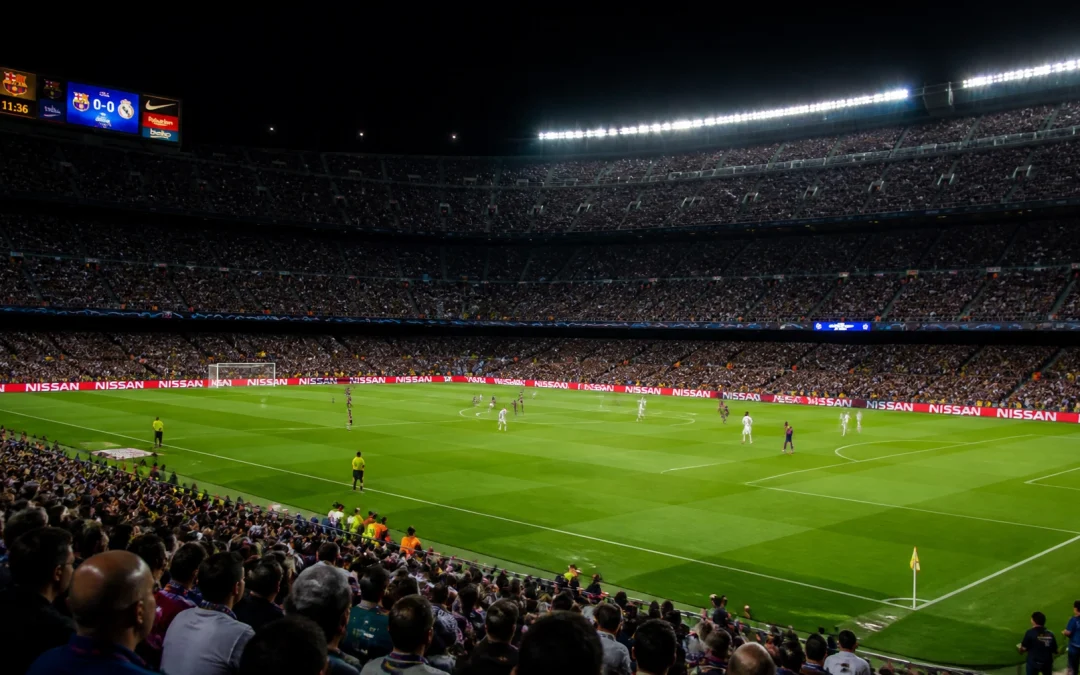
In modern sports marketing, securing visibility requires more than passive logo placement on a static banner. Chief marketing officers and creative directors face the ongoing challenge of capturing audience attention in an increasingly fragmented media landscape. Stadium perimeter advertising has emerged as a cornerstone of effective sports branding, bridging the physical arena and broadcast screens. By integrating dynamic digital out-of-home (DOOH) technologies, brands can elevate fan engagement, deepen emotional connections, and drive measurable commercial outcomes.
OOH Sports provides comprehensive access to digital video advertising boards across sports venues, establishing a powerful framework for brands seeking to maximize their presence. This analysis examines the strategic mechanics of stadium perimeter advertising, exploring how modern execution transforms traditional sponsorships into interactive engagement channels.
Objective and Strategy: The Dual-Audience Advantage
The primary strength of stadium perimeter advertising lies in its dual-audience reach. Pitch-side LED boards simultaneously communicate with tens of thousands of fans inside the venue and millions watching via live broadcast, streaming, and social highlight reels.
- Simultaneous Exposure: Brands capture immediate attention from seated attendees while securing permanent placement in televised broadcasts and digital replays.
- High Emotional Context: Live sports deliver unmatched emotional intensity. Aligning brand messaging with game-day excitement increases recall and brand preference.
- Broadcast Framing: Camera angles naturally frame the playing field alongside perimeter boards, ensuring organic integration into highlight packages and media coverage.
According to industry insights on OOH Sports, treating perimeter boards as dynamic storyboards rather than static wallpaper allows brands to synchronize messaging with pivotal moments in the match. For further reading on evolving media trends, review the analysis on the future of sports advertising.
Transforming Passive Exposure into Active Fan Engagement

Modern stadium perimeter advertising moves beyond simple visual impressions by incorporating interactive touchpoints. Creative directors can leverage programmatic DOOH platforms to deploy actionable triggers during natural game stoppages.
- QR-Based Offers: Dynamic creatives display scannable codes during timeouts, intermissions, or scoring plays, prompting instant coupon claims or app downloads.
- Second-Screen Integration: Fans utilize mobile devices to unlock live statistics, exclusive video content, or merchandise discounts directly linked to perimeter signage.
- Augmented Reality Triggers: Advanced campaigns utilize AR markers on perimeter displays, which studies show can significantly increase fan propensity to attend future events and purchase merchandise.
By converting visual attention into digital interaction, brands bridge the gap between physical venue attendance and mobile engagement. For tactical guidance on avoiding common pitfalls, consult the guide on fan engagement mistakes and solutions.
Expanding the Impact: The Ten-Mile Stadium Perimeter

Effective branding extends beyond the pitch walls. A comprehensive sports marketing strategy encompasses the entire urban ecosystem surrounding the venue. The OOH Sports network operationalizes this approach through a ten-mile stadium perimeter strategy.
- Game-Day Journey Mapping: Digital video boards deployed across transit hubs, arterial roadways, and local gathering spots capture fans before they arrive at the stadium.
- Proximity Targeting: Geofenced digital assets activate when fan density peaks, delivering relevant messages during transit and pre-game gathering phases.
- Cohesive Messaging: Consistent creative themes across exterior DOOH screens and interior perimeter boards create an immersive brand environment throughout the entire game day.
This holistic methodology ensures that the brand acts as a constant companion across the fan journey, reinforcing recall from the moment supporters leave their homes until their return.
Creative Execution and Sport-Specific Narrative

The success of stadium perimeter advertising relies heavily on creative relevance. Generic corporate slogans frequently fail to resonate within passionate sports environments. Creative directors achieve superior engagement by tailoring visual assets to the specific context of the sport, team, and audience.
- Sport-Specific Copywriting: Developing narratives tailored to the rhythm and terminology of the specific discipline (e.g., highlighting defensive toughness in football or speed in racing).
- Dynamic Scheduling: Automating creative shifts based on match conditions, scorelines, or time remaining, ensuring high-energy visuals during crucial plays and informative messaging during intermissions.
- Visual Harmonization: Incorporating team colors, supporter motifs, and localized design elements so the advertisement feels like an authentic component of the fan experience rather than an intrusive interruption.
Detailed execution guidelines and platform capabilities are available directly through the OOH Sports Network.
Measurement and Commercial Impact
Evaluating the success of stadium perimeter advertising requires moving beyond traditional impression counts. Modern programmatic platforms enable sophisticated attribution and impact measurement.
- Engagement Metrics: Tracking quantitative interactions such as QR scans, AR activations, promotional redemptions, and app registrations.
- Behavioral Lift: Assessing increases in brand consideration, purchase intent, and future event attendance through controlled brand lift studies.
- Omnichannel Attribution: Linking perimeter exposure and surrounding DOOH touchpoints to direct sales and digital traffic spikes during game windows.
Through rigorous measurement, brand managers can quantify return on investment with precision, validating stadium perimeter advertising as a primary driver of long-term brand equity and fan loyalty.