
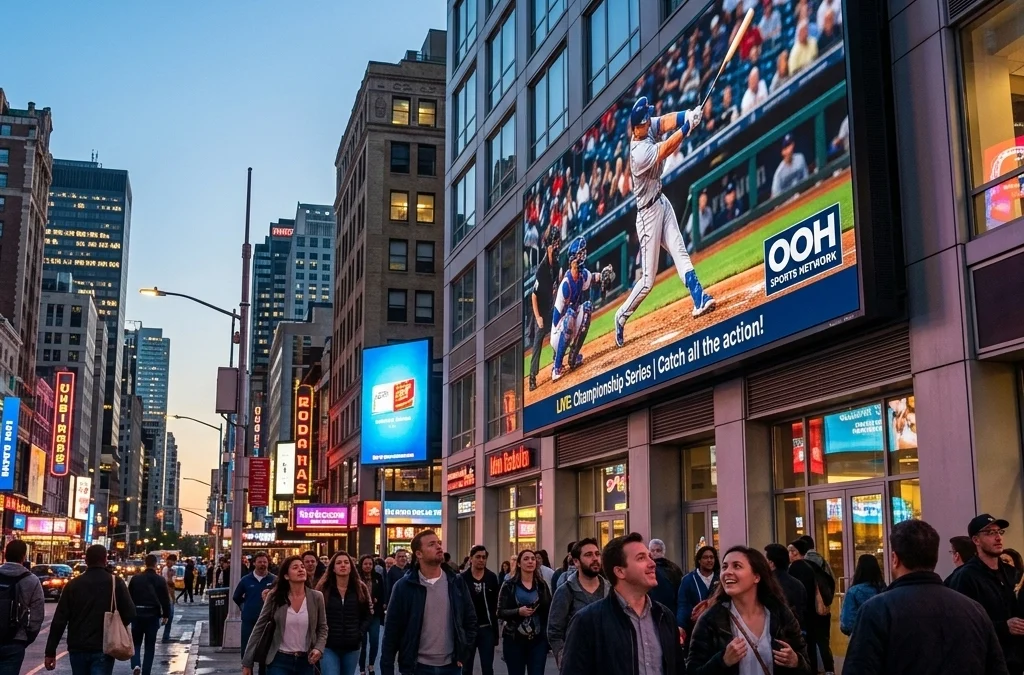
The advertising landscape is undergoing a significant shift as specialized networks provide more granular access to high-value audiences. OOH Sports has reached a new milestone in its growth strategy, officially expanding its network to include more than 25,000 digital screens across the United States. This expansion represents a major development for media buyers and brands looking to connect with sports fans in high-engagement environments outside of the traditional stadium setting.
This milestone reinforces the role of programmatic digital out-of-home (DOOH) as a primary channel for sports marketing. By scaling the network across diverse venue types, OOH Sports provides a platform that combines the scale of national television with the precision and contextual relevance of localized digital advertising.
The Strategy Behind Network Expansion
The growth of the OOH Sports network is a response to the increasing demand for measurable and flexible sports media. Traditional sports marketing often requires long-term commitments and high entry costs, such as stadium naming rights or season-long sponsorships. The expansion of this digital network offers a more accessible alternative.
The strategic deployment of these 25,000 screens prioritizes locations where sports consumption is high. This includes major metropolitan markets with professional teams and college towns where sports interest is a primary driver of consumer behavior. The objective is to place brand messaging where fans are already spending their time and money, creating a seamless connection between the game and the consumer.
Diverse Venue Infrastructure
A critical component of this expansion is the variety of venues included in the network. Rather than focusing on a single type of location, the network spans multiple environments to ensure coverage throughout the fan journey.
- Sports Bars and Restaurants: These locations offer high dwell times, often ranging from two to four hours during a game broadcast.
- Entertainment Complexes: Large-scale venues such as bowling alleys and golf entertainment centers reach active, social consumers.
- Fitness Facilities: This environment connects with health-conscious individuals who are often early adopters of sports apparel and nutrition products.
- Country Clubs and Private Facilities: These venues offer access to a high-net-worth demographic in a relaxed, social setting.
By diversifying venue types, the network ensures that advertisers can maintain a consistent presence from pre-game preparation to post-game celebrations.
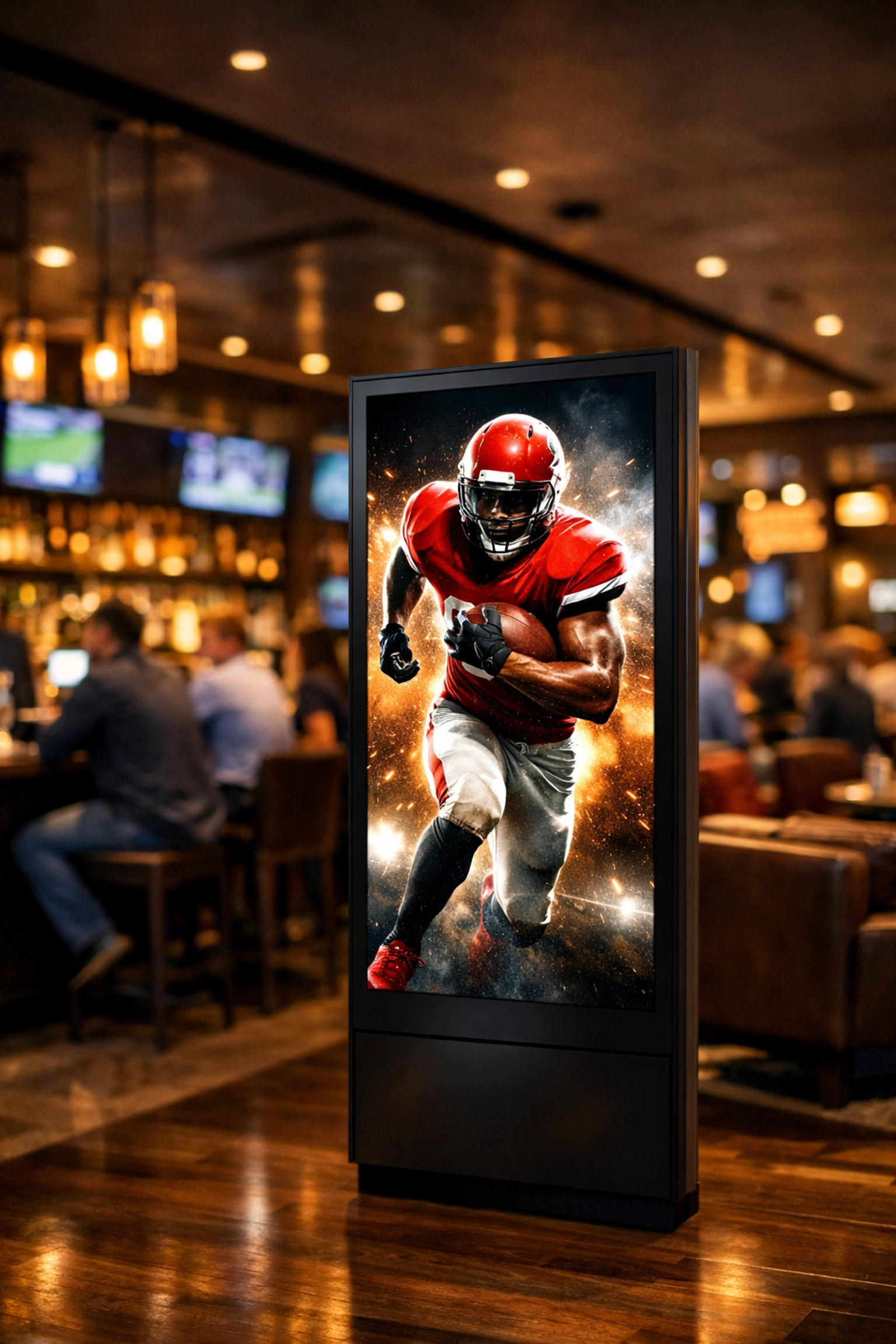
Advanced Technology and Programmatic Capabilities
The OOH Sports expansion is built on a sophisticated programmatic foundation. This technology allows media buyers to move away from static, manual buys and toward data-driven, automated transactions.
The programmatic DOOH (pDOOH) platform enables several key capabilities:
Real-Time Bidding and Flexibility
Advertisers can bid on inventory in real-time, allowing for rapid campaign adjustments based on performance or external triggers. This flexibility is essential in the sports world, where game results and momentum can change in an instant.
Dynamic Creative Optimization
The network supports dynamic content that can change based on live data feeds. For example, a sports betting brand can update the odds displayed on the screen in real-time as a game progresses. This ensures the creative remains relevant to the audience at the exact moment of exposure.
Strategic Targeting
Targeting parameters within the network include geographic location down to the ZIP code level, daypart scheduling that aligns with specific broadcast times, and venue-type selection. Media planners can use these tools to ensure their budget is spent only on the most relevant impressions.
Integration with major demand-side platforms (DSPs) further simplifies the process for media buyers. For more information on how these integrations work, professionals can explore the spotlight on StackAdapt DSP.
Audience Insights and Behavioral Data
The primary audience reached by the OOH Sports network is a valuable demographic for many national brands. Research indicates a male-skewed audience with a heavy concentration in the 21 to 54 age bracket. These consumers are typically characterized by their high engagement with sports media and their propensity for social spending.
Dwell time is a key differentiator for this network. Unlike roadside billboards that may only receive a few seconds of attention, screens in sports bars and entertainment venues are positioned in areas where consumers stay for extended periods. This results in multiple impression opportunities per visit and significantly higher message retention rates.
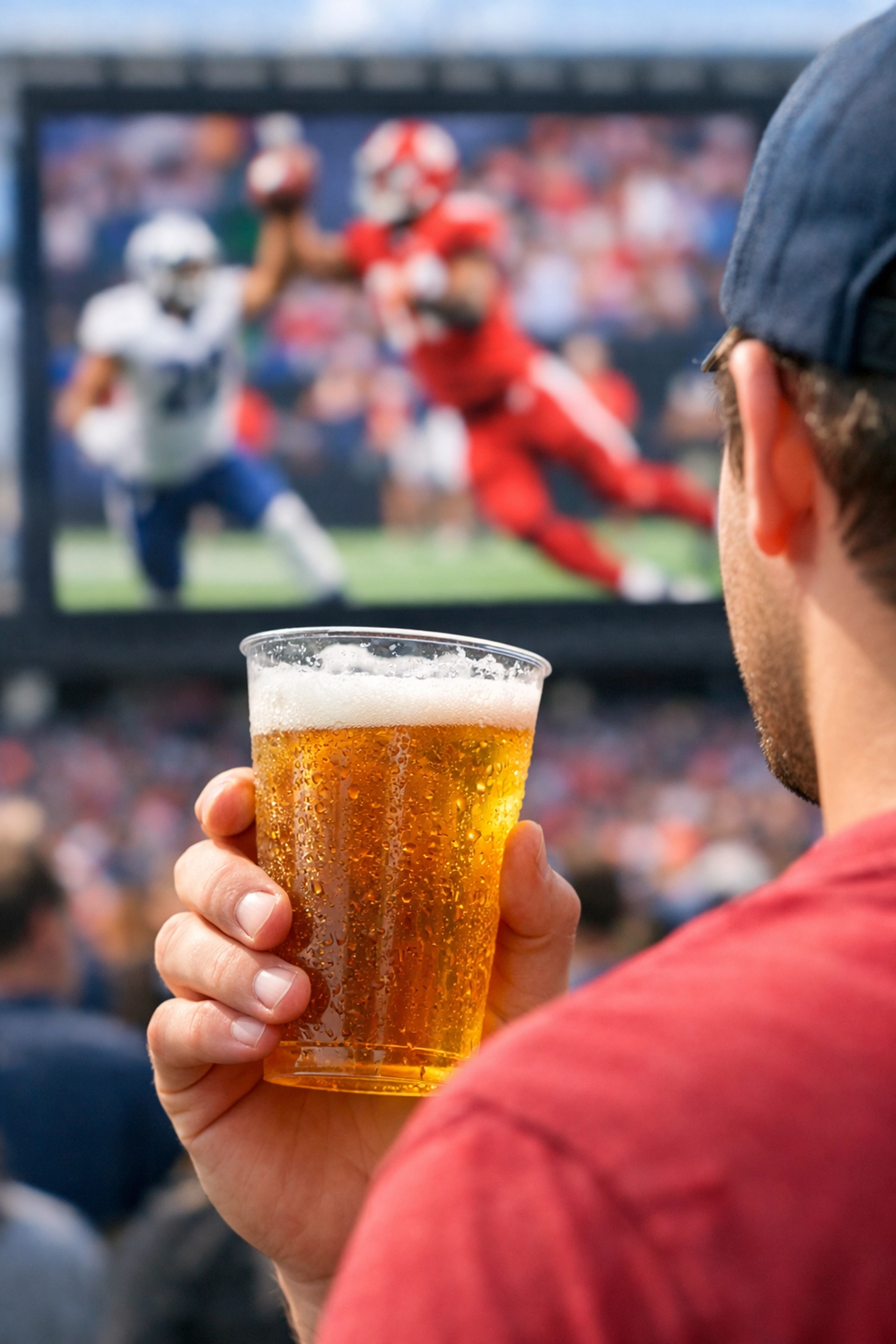
The contextual relevance of the environment also plays a role. When a consumer sees an advertisement for a beverage or a sports-related service while watching a game, the mental bridge between the content and the product is already established. This alignment is a primary driver of the high purchase consideration lifts seen in recent campaigns.
Measuring Success through Data and Case Studies
The expansion of the network has provided a larger data set to prove the effectiveness of the platform. Recent campaigns across the network have demonstrated significant lifts in brand metrics and purchase intent.
- White Claw: A campaign for the brand's vodka launch utilized programmatic DOOH to drive a 74% lift in purchase consideration. Detailed findings are available in the White Claw case study.
- Mike's Hard Iced Tea: This campaign achieved a 119% lift in positive brand image by reaching consumers in social, sports-centric environments. The full strategy is outlined in the AB InBev Mike's Hard analysis.
- Sea-Doo: By targeting specific outdoor and sports-oriented venues, Sea-Doo saw a 144% increase in purchase consideration. More on this can be found in the Sea-Doo campaign overview.
These results highlight the measurable impact that a targeted, large-scale digital out-of-home network can have on a brand's bottom line.
Comparing Programmatic DOOH to Traditional Stadium Ads
As the network grows, many media buyers are evaluating how it compares to traditional stadium sponsorships. While stadium ads offer high prestige, they often lack the flexibility and measurement capabilities of a digital network.
Traditional stadium advertising usually involves long lead times and high costs for a limited number of high-impact moments. In contrast, the OOH Sports network allows for "perimeter targeting" across thousands of locations at a fraction of the cost. This approach provides a "stadium feel" on a national or regional scale without being tied to a single physical location or a single game day.
For a deeper dive into this comparison, industry professionals may find value in reading about how 25,000 digital screens are changing sports marketing.
Strategic Implementation for Media Buyers
To succeed with the expanded OOH Sports network, media buyers should follow a structured approach to campaign planning and execution.
1. Define Clear Objectives
Identify whether the goal is brand awareness, purchase consideration, or driving traffic to a specific location. The scale of the network allows for both broad reach and hyper-local activations.
2. Leverage Real-Time Triggers
Use live sports data to trigger creative changes. Campaigns that react to what is happening on the field or court see higher levels of engagement because they mirror the fan's emotional state.
3. Coordinate with Omnichannel Efforts
DOOH should not exist in a vacuum. By synchronizing digital out-of-home ads with mobile, social, and television buys, brands can create a unified experience that reinforces the message across multiple touchpoints.
4. Utilize Professional Support
The complexity of programmatic buying in the sports space can be managed through collaboration with specialized teams. OOH Sports provides planning tools and creative best practices to help brands optimize their content for digital screens.

Future Outlook for OOH Sports
The expansion to 25,000 screens is part of a broader trend toward the digitization of the physical world. As sports media consumption becomes more fragmented, the ability to reach fans in a centralized, high-impact environment becomes increasingly valuable.
The industry is moving toward a future where DOOH sports advertising is projected to reach $50 billion by 2030. This growth is driven by the efficiency of programmatic buying and the high ROI delivered by contextually relevant advertising.
OOH Sports continues to invest in technology and venue partnerships to ensure the network remains at the forefront of this evolution. For brands and media buyers, the expanded network represents a powerful tool to engage with the modern sports fan in a way that is both impactful and measurable.
By focusing on high-traffic venues, leveraging advanced programmatic technology, and providing clear data-driven results, OOH Sports is setting a new standard for what is possible in the out-of-home advertising industry. Success in this space requires a strategic approach that values the fan experience as much as the brand message, and this network expansion provides the infrastructure to achieve exactly that.
To explore more about the technical side of these campaigns and how to avoid common pitfalls, readers can view the guide on common mistakes in sports DOOH measurement.