
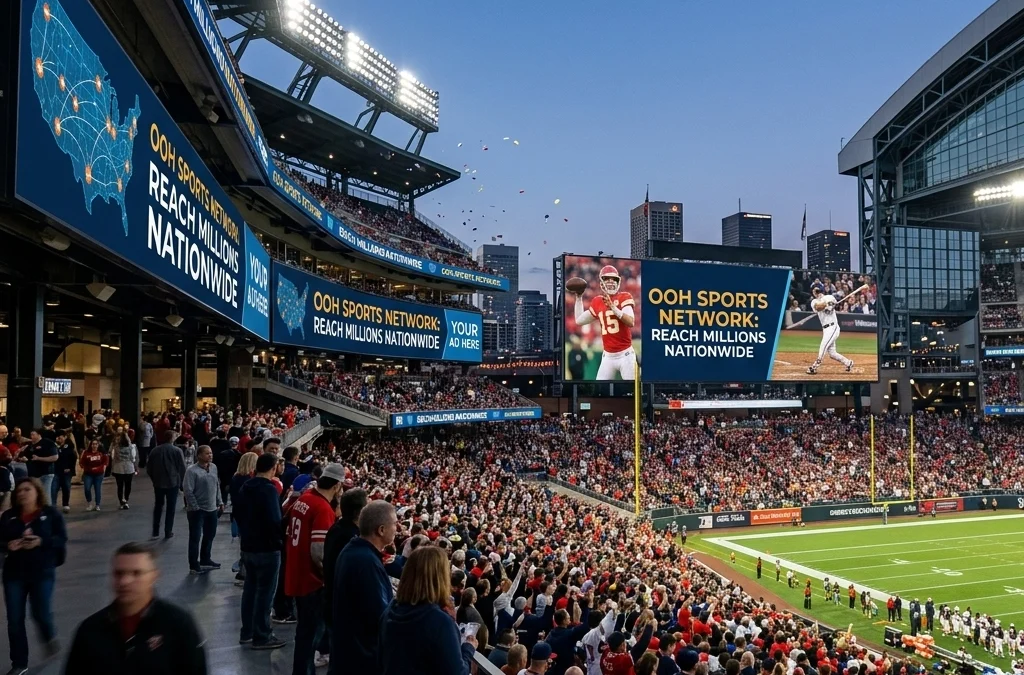

The landscape of sports advertising is undergoing a massive shift. As traditional media becomes increasingly fragmented, the OOH Sports Network has reached a significant milestone by expanding to over 25,000 digital screens across the nation. This expansion provides a powerful platform for brands and media buyers to execute cohesive, high impact campaigns that reach fans exactly where they congregate.
This guide serves as a comprehensive resource for understanding the mechanics, strategic advantages, and measurement capabilities of the OOH Sports Network. By leveraging a combination of massive scale and sophisticated technology, the network transforms the way brands interact with sports audiences.
Strategic National Reach and Network Scale
The OOH Sports Network now offers coverage density sufficient for nationwide campaign deployment. This eliminates the logistical challenges often associated with piecing together fragmented regional media buys. Whether a brand is targeting major metropolitan hubs or mid-sized markets, the distribution of these 25,000 screens ensures consistent messaging across the entire sports ecosystem.
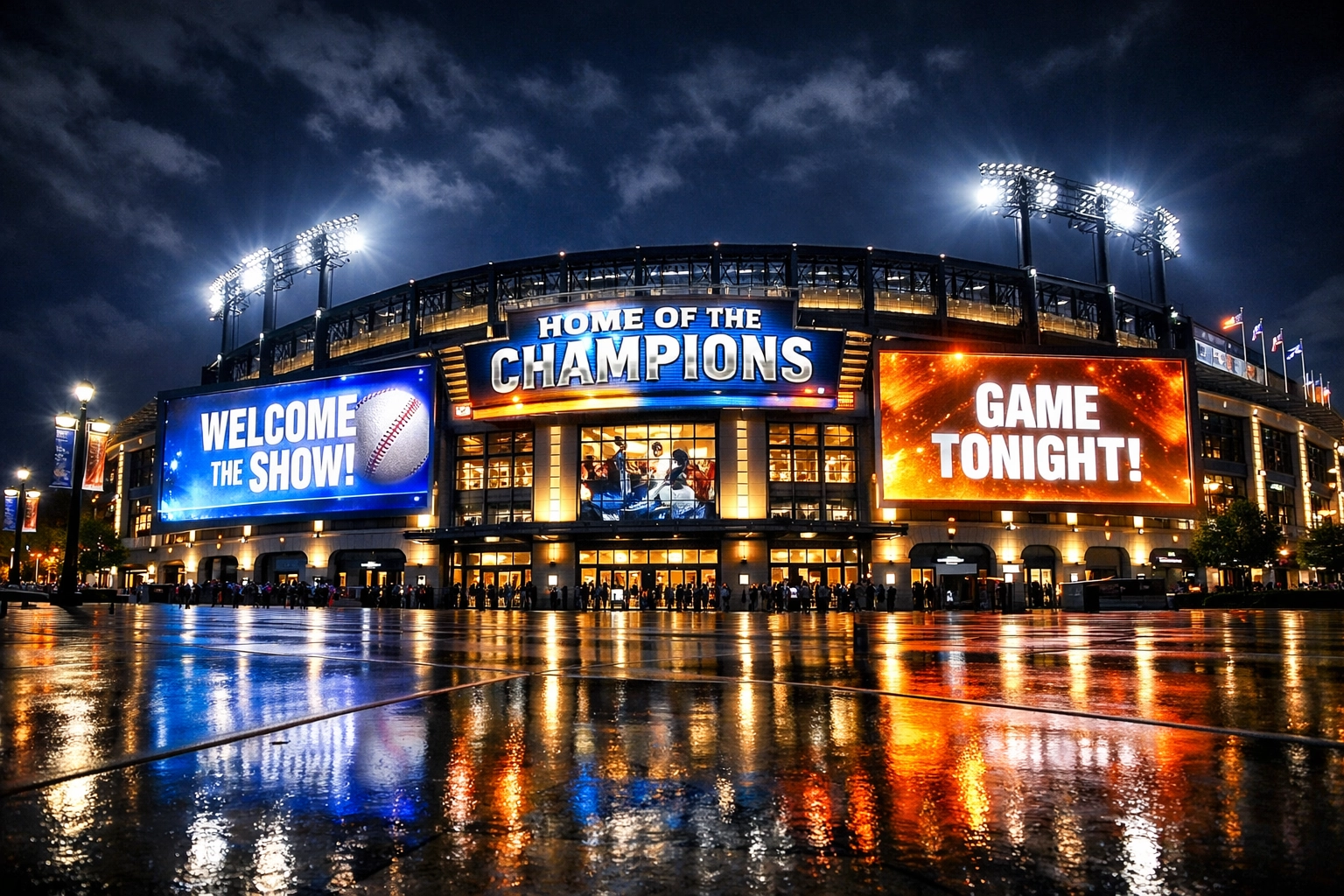
For media buyers, this scale means that a single strategic plan can cover stadiums, arenas, fan zones, and surrounding transit corridors. The ability to maintain brand continuity from coast to coast is a primary driver for the recent shift in media budgets. Recent industry data suggests that the sports DOOH market is on a trajectory to reach significant heights, with projections indicating a 50 billion dollar market by 2030.
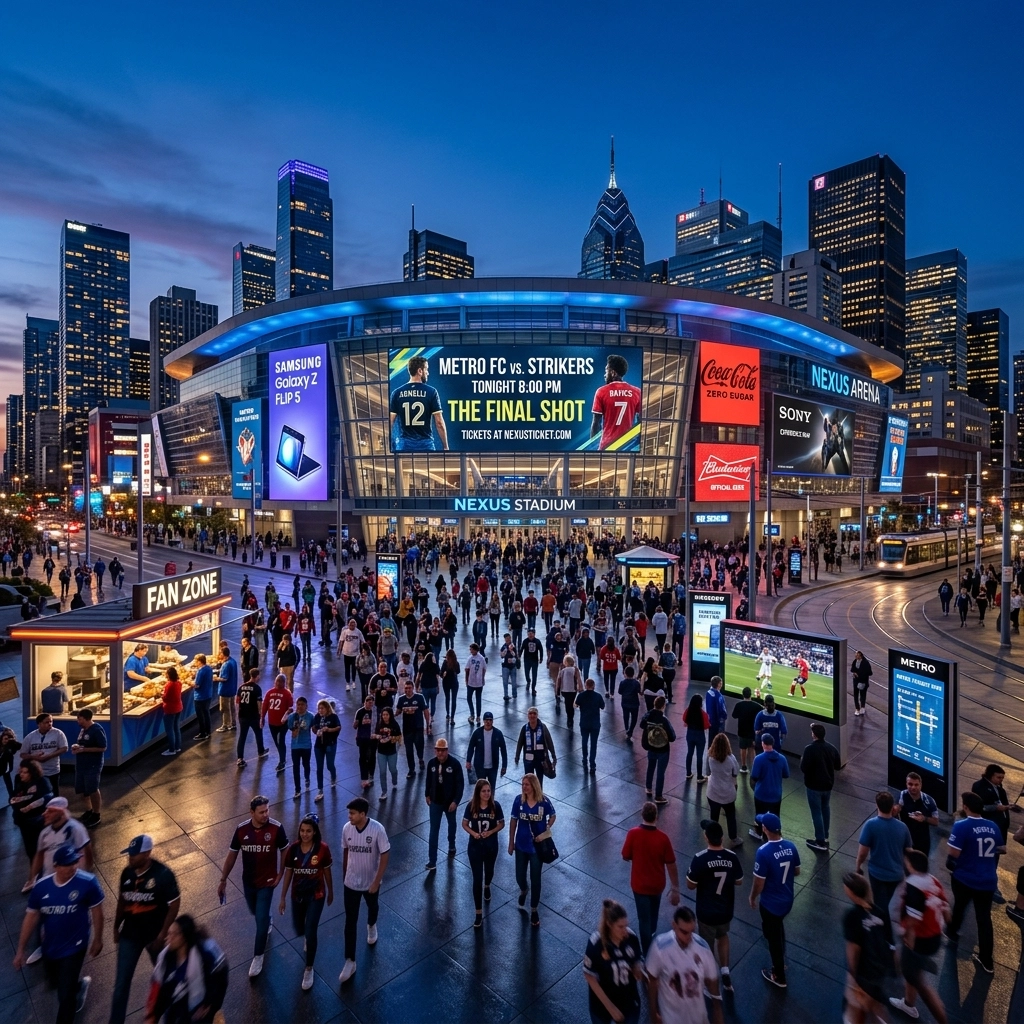
Extended Impression Windows: Capturing the Full Fan Journey
One of the most distinct advantages of the OOH Sports Network is the extended duration of audience exposure. Unlike broadcast television or streaming ads that are confined to fixed 30-second slots, out-of-home (OOH) placements accumulate impressions throughout the entire event window.
The fan journey begins long before the first whistle. It starts at transit hubs and continues through the parking lots, concourses, and seating areas. By placing digital screens in high traffic audience corridors, the network allows brands to dominate the physical environment. This sustained presence creates a cumulative brand exposure that far exceeds traditional time-bound media. Campaigns can be scheduled to run weeks before a major event, during the competition itself, and throughout the post-game celebration periods.
Real-Time Optimization and Dynamic Messaging
The infrastructure of the OOH Sports Network is built for agility. Because the screens are digital, media buyers are no longer locked into a single static creative for the duration of a campaign. This capability allows for temporal message adaptation based on the time of day, the score of a game, or the specific mindset of the audience.
For example, a beverage brand can transition from morning coffee promotions to game-time activations, and then shift to late-night post-event offers. This ensures that the creative is always relevant to the current environment. This level of flexibility is a cornerstone of programmatic digital out-of-home (DOOH) strategies. Utilizing real-time strategies allows brands to boost fan engagement by aligning their message with the emotional highs and lows of the sporting event.
Multi-Format Integration for Maximum Impact
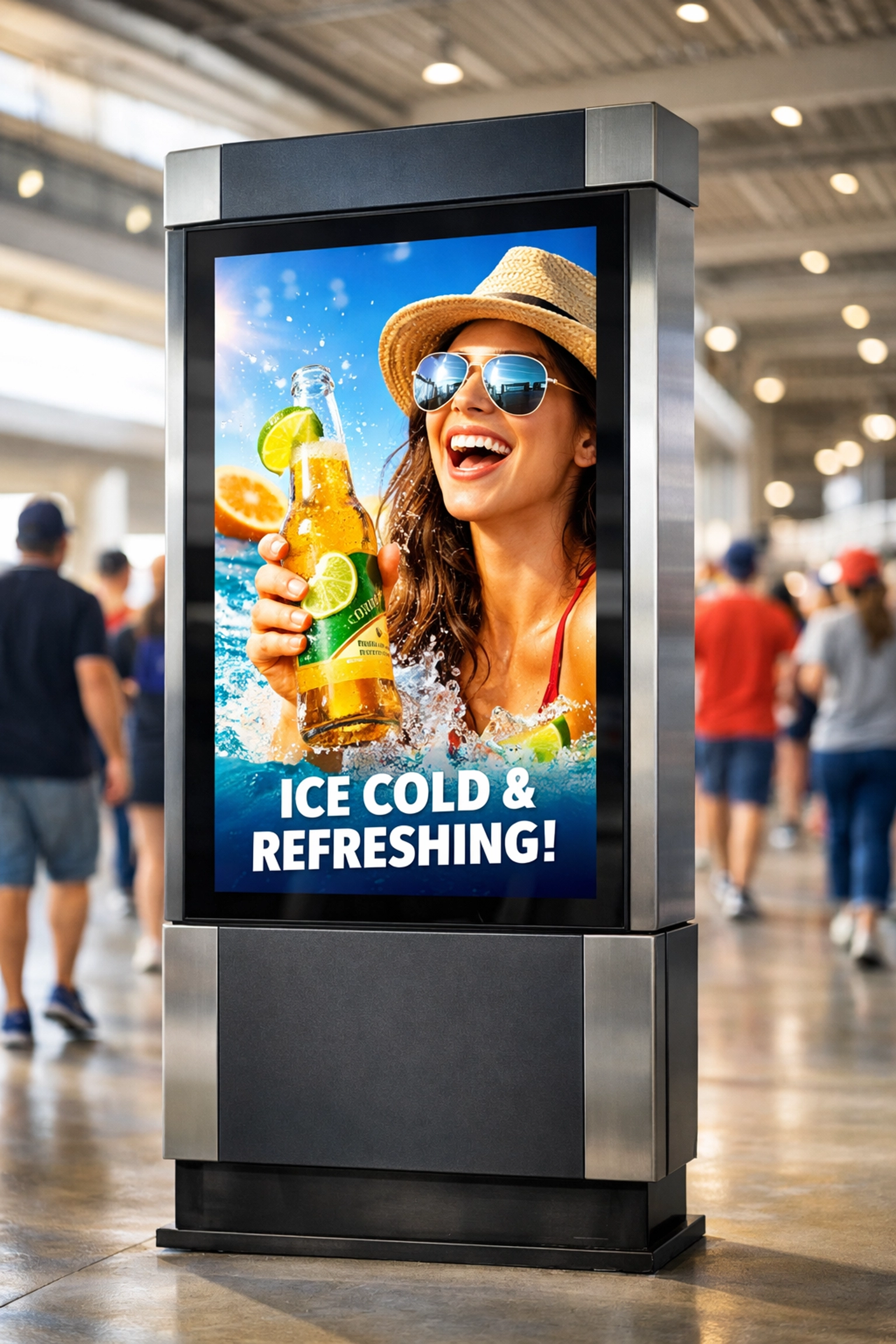
While the 25,000 digital screens provide dynamic capabilities, the OOH Sports Network also integrates with traditional static formats to create comprehensive environmental coverage. This multi-format approach balances immediate digital impact with persistent brand visibility.
- Digital Placements: Deliver time-sensitive, high energy messaging and real-time updates.
- Static Displays: Provide a sustained brand presence that acts as an anchor within the fan environment.
- Perimeter Targeting: Specifically addresses fans within the immediate vicinity of the sports venue to drive foot traffic or immediate digital action.
This combination ensures that the brand remains top of mind throughout the entire fan experience, preventing the message from being lost in the noise of a crowded stadium.
Measurement and the Physical-Digital Bridge
A common misconception in out-of-home advertising is that it is difficult to measure. The OOH Sports Network operates as a physical-digital bridge, using advanced technology to transform screen exposures into measurable digital engagement.
By using QR codes, branded hashtags, and location-based mobile retargeting, the network can capture device IDs within sports venue environments. This data allows advertisers to follow up with digital messaging on the fans' mobile devices after they have left the venue. This creates a closed-loop measurement system where specific actions, such as website visits or product purchases, can be attributed back to the physical screen exposure.
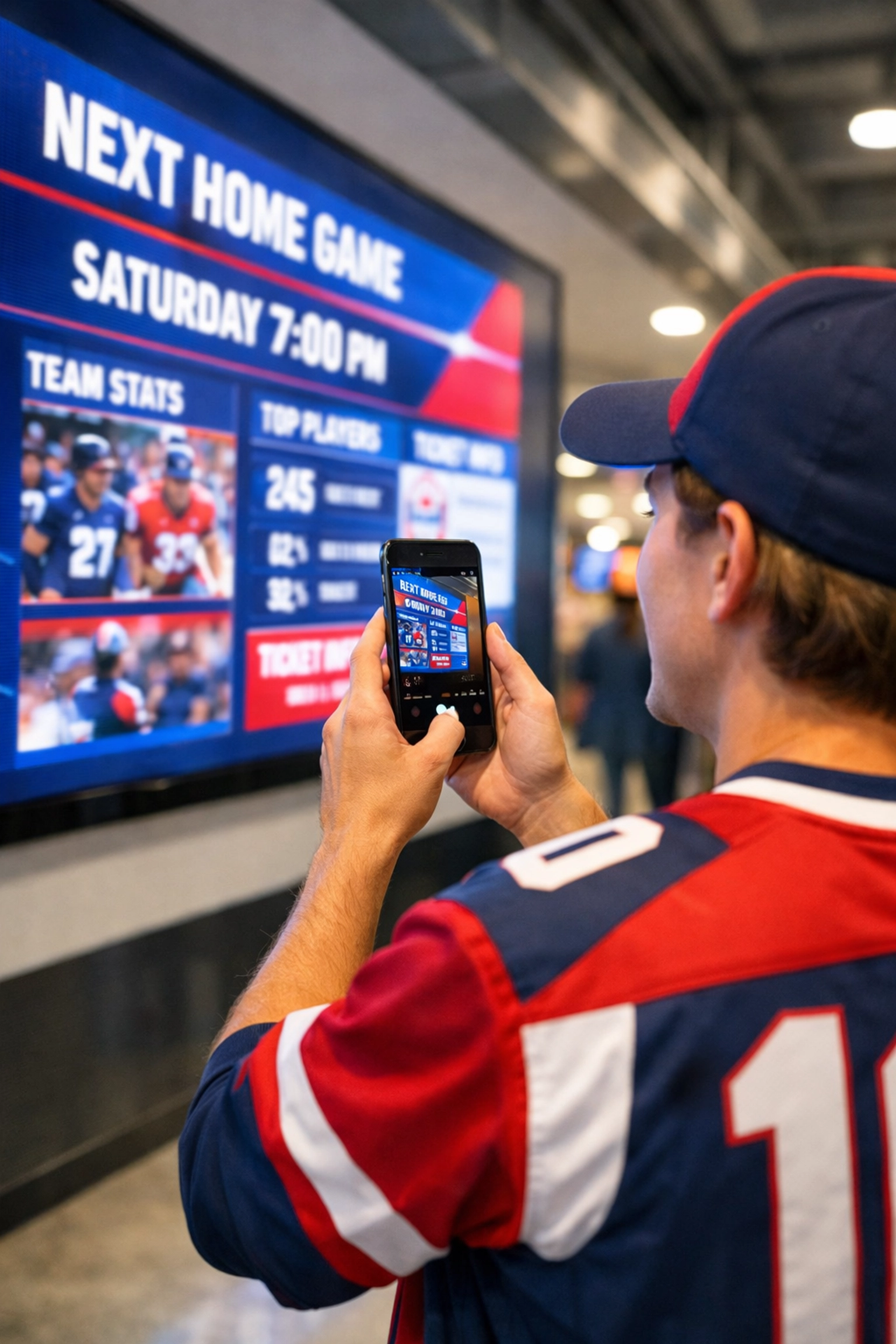
Using AI-powered analytics provides proof of success and helps media planners avoid the guesswork traditionally associated with billboard advertising.
Navigating Buying Options: RTB and Programmatic Direct
The OOH Sports Network provides several avenues for acquiring inventory, allowing for both flexibility and guaranteed placement:
- Real-Time Bidding (RTB): This is the most flexible option, allowing advertisers to participate in auction-based systems. It is cost-effective and ideal for brands looking to optimize their spend in real-time.
- Programmatic Direct: This involves negotiated deals with fixed CPMs. It offers a balance between the automation of programmatic and the security of a direct buy.
- Programmatic Guaranteed: Reserved for premium inventory and high profile event windows, this option ensures that the brand's creative is shown on specific screens at specific times.
Platforms like the StackAdapt DSP have been instrumental in driving the adoption of these programmatic methods, making it easier for omnichannel campaigns to include sports DOOH as a core pillar.
Quantifiable Results: Industry Success Stories
The effectiveness of the OOH Sports Network is supported by significant data from recent campaigns. When brands move beyond traditional stadium sponsorships and embrace the scale of 25,000 digital screens, the results are measurable and impactful.
- White Claw: A programmatic DOOH campaign for a vodka launch resulted in a 74% lift in purchase consideration.
- Sea-Doo: Their first digital OOH campaign saw a 144% increase in purchase consideration by effectively targeting fans in the right context.
- Anheuser-Busch InBev: Mike’s Hard Iced Tea experienced a 119% lift in positive brand image through a targeted DOOH strategy.
These results demonstrate that the network is not just about visibility, it is about driving specific brand health metrics and purchase intent. Detailed case studies highlight how these outcomes are achieved through precise targeting and creative execution.
Key Planning Considerations for Media Buyers
To maximize the ROI of a nationwide ad buy on the OOH Sports Network, media planners must consider several logistical and strategic factors:
Advance Planning for Major Events
Securing premium inventory during high profile sporting events requires lead times measured in months. Because the demand for screens near major competitions is concentrated, early negotiations are essential to secure optimal placements in high traffic corridors.
Audience Environment and Mindset
Fans at sports venues are in a unique mindset. They are highly engaged, emotionally invested, and receptive to contextually relevant content. Successful campaigns tailor their creative to acknowledge this environment, rather than simply repurposing a standard television ad.
Attribution and Data Integration
Before launching a campaign, it is important to establish the methodology for measurement. Whether the goal is brand lift, foot traffic, or online conversion, the OOH Sports Network allows for integration with various attribution partners to provide a clear picture of campaign performance.
Conclusion: The Future of Sports Marketing
The expansion of the OOH Sports Network to 25,000 digital screens marks a new era for nationwide advertising. By combining the physical impact of out-of-home media with the precision of digital targeting and measurement, the network offers a solution that traditional stadium sponsorships cannot match.
As media planners continue to shift budgets toward more measurable and impactful channels, the OOH Sports Network stands as the premier choice for brands looking to connect with sports fans on a national scale. The combination of scale, technology, and proven results ensures that any nationwide ad buy is positioned for maximum success. For those looking to explore the full range of possibilities, the OOH Sports website provides additional resources and campaign insights.