
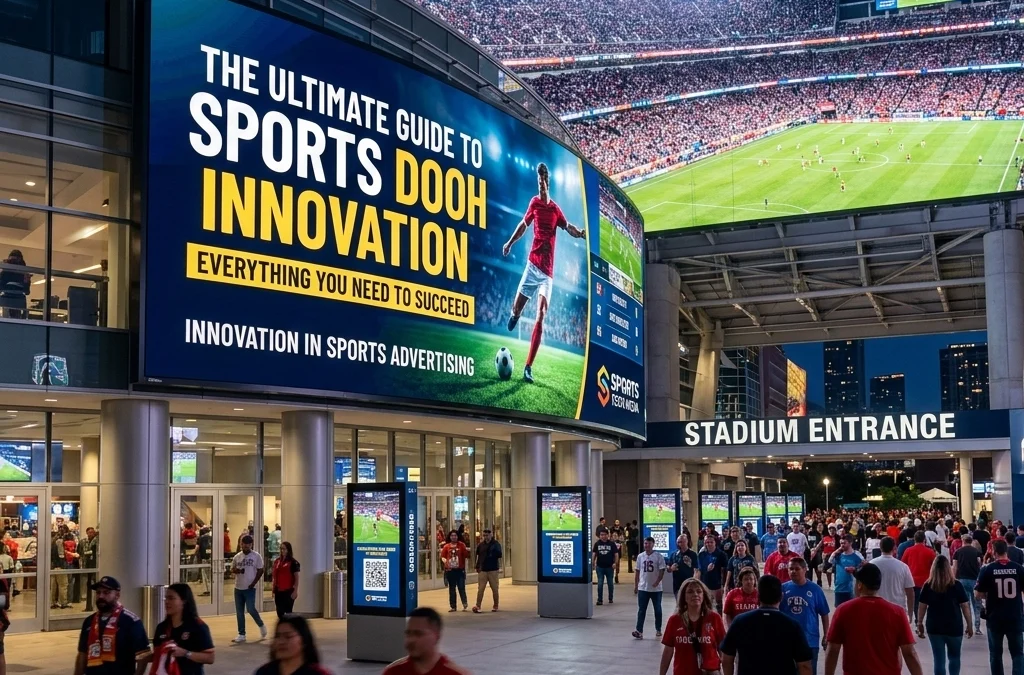
Sports marketing is undergoing a significant transformation. The traditional model of static stadium billboards and high cost sponsorships is evolving into a dynamic, data-driven ecosystem. Digital Out-of-Home (DOOH) advertising sits at the center of this shift, offering media buyers and brand managers a way to reach fans with precision and relevance. This guide explores the core innovations within sports DOOH and provides actionable strategies for executing successful campaigns.
The Foundation of Modern Sports DOOH
The primary driver behind recent success in sports marketing is the shift from broad, location-based placements to routine-based fan engagement. While traditional out-of-home advertising relied on high-traffic areas to catch the eyes of a general audience, modern DOOH uses mobility data and location intelligence to follow the fan journey.
Innovation in this space is defined by three main pillars: accessibility, flexibility, and measurement. Programmatic technology has removed many of the manual barriers to entry, allowing brands to launch campaigns in hours rather than weeks. This shift enables a more agile approach to sports marketing, where messaging can be adjusted in real time to reflect the excitement of a live event.

Dynamic Creative Optimization (DCO)
Dynamic Creative Optimization is a major technological breakthrough for brand managers. DCO allows ad content to update automatically based on external data triggers. In a sports context, this means the creative seen by a fan can change based on what is happening on the field or in the local environment.
Real-Time Triggers for Engagement
Brands use DCO to keep messaging relevant to the immediate situation. Examples of common triggers include:
- Live Scores: Displaying real-time updates for a local team during a high-stakes game.
- Weather Conditions: Promoting cold beverages when temperatures rise at an outdoor stadium or highlighting rain gear if a storm begins during a match.
- Game Outcomes: Triggering celebratory messaging or special offers immediately following a victory.
- Betting Odds: Displaying live odds from betting partners to provide utility to fans who are actively tracking the game.
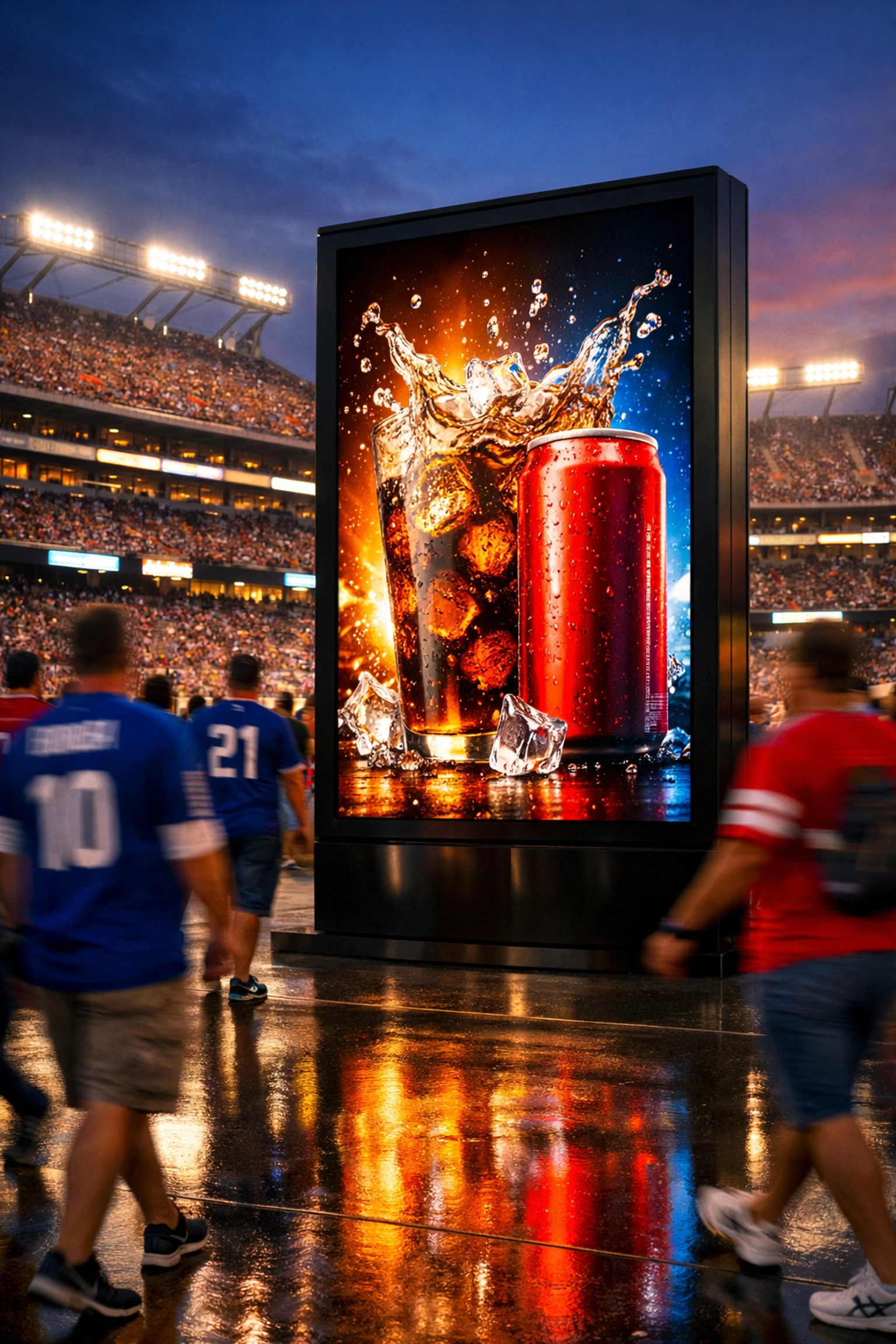
By using these triggers, a campaign moves from being a background advertisement to a functional part of the fan experience. Research indicates that when DOOH provides utility or real-time relevance, it extends dwell time and increases the likelihood of the audience noticing the brand.
Strategic Targeting: The Stadium Surround Approach
A common mistake in sports marketing is focusing exclusively on the inside of the stadium. While the arena is the heart of the action, the fan experience begins hours before kickoff and continues long after the final whistle. The "stadium surround" strategy involves placing ads in the environments where fans spend their time before and after a game.
Reaching Fans Throughout the Journey
Effective campaigns target key locations along the fan's routine, including:
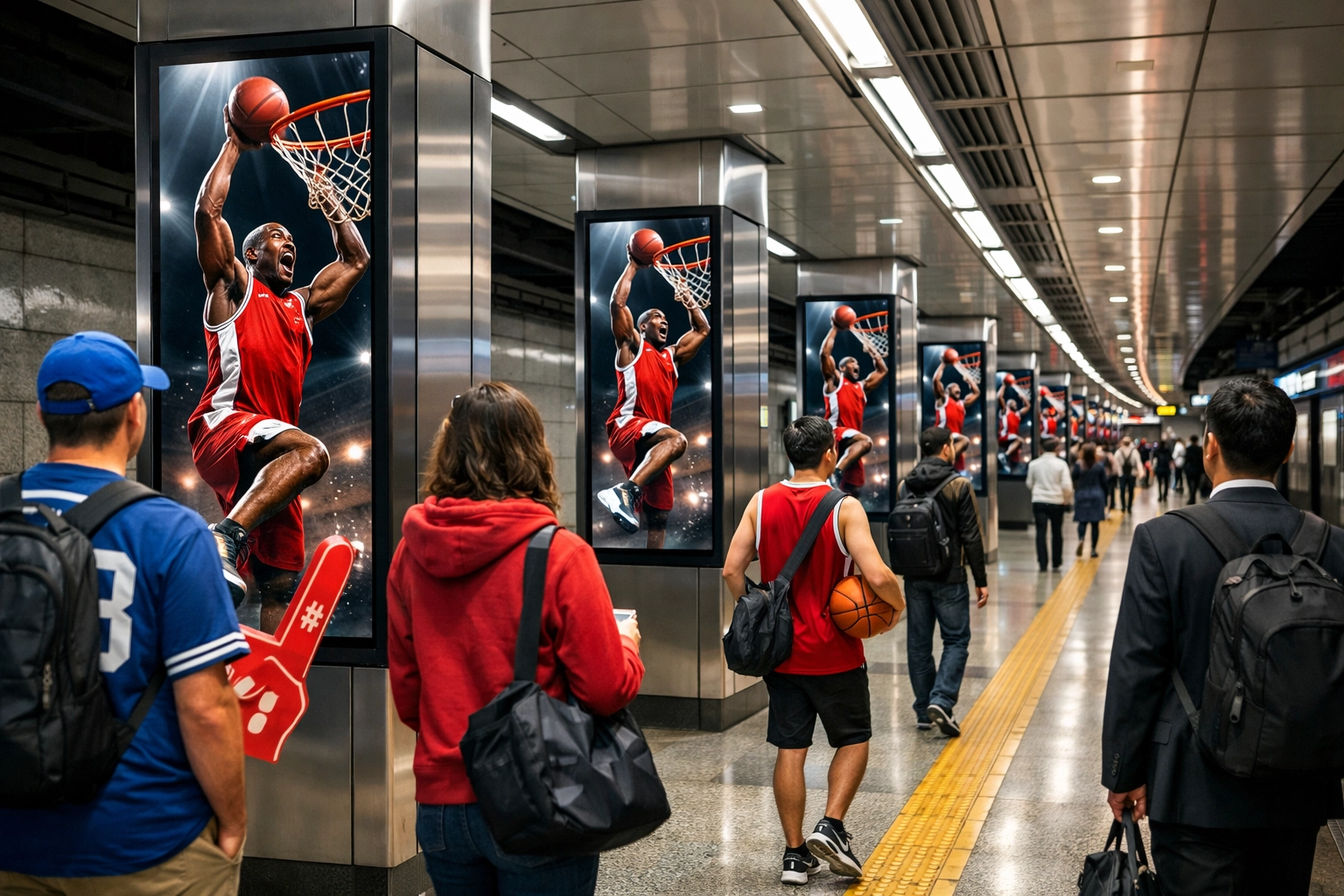
- Transit Hubs: Trains, buses, and subway stations near the venue.
- Retail and Dining: Bars, restaurants, and convenience stores where fans gather to pre-game or celebrate.
- Residential Lobbies: Digital screens in luxury apartment buildings and office towers in the stadium district.
- Commute Routes: Large format digital billboards on highways leading to the arena.
This approach creates a sense of brand dominance without requiring the massive investment of a primary stadium sponsorship. By targeting the perimeter, brands can capture the attention of thousands of fans during the critical 48-hour build-up to a major game. Detailed information on how stadium perimeter targeting fixes common campaign mistakes highlights the efficiency of this method.
The Omnichannel Priming Effect
Innovation in DOOH does not exist in a vacuum. One of the most effective strategies for media buyers is using DOOH to reinforce messaging from other channels, particularly television and social media. This is known as the "priming effect."
When a fan sees a high-impact television commercial at home and later encounters a shorter, high-frequency digital panel during their commute to the stadium, the memory of the brand is significantly strengthened. This integrated approach ensures that the message remains top of mind throughout the entire sports weekend.
For example, campaigns that combine television with programmatic DOOH often see higher brand lift than those using a single channel. Brands like Sea-Doo have utilized this strategy to achieve a 144 percent increase in purchase consideration.
Programmatic DOOH vs. Traditional Sponsorships
For many years, the only way to be visible during a major sporting event was to sign a long-term, multi-million dollar sponsorship deal. Programmatic DOOH has changed this dynamic by providing a more cost-effective and flexible alternative.
Flexibility and ROI
Programmatic platforms allow brands to bid on specific screen inventory during peak hours. This means a brand can choose to be visible only on the Friday and Saturday before a Sunday game, rather than paying for a permanent sign that remains up even when the stadium is empty.
The ROI of this approach is often superior because of the precision in targeting. By focusing on active fan windows, media buyers reduce wasted impressions. A comparison of programmatic DOOH and traditional stadium ads shows that digital screens often deliver better results for brands looking for immediate conversion or brand sentiment shifts.
Quantifying Success with Data and Results
The shift toward digital platforms allows for more sophisticated measurement of campaign success. Media buyers can now track brand lift, purchase consideration, and even foot traffic attribution with a high degree of accuracy.
Case Study Highlights
Data from various campaigns demonstrates the power of well-executed sports DOOH:
- Brand Image Lift: Mike's Hard Iced Tea achieved a 119 percent lift in positive brand image using a programmatic DOOH campaign.
- Purchase Consideration: White Claw saw a 74 percent lift in purchase consideration for a vodka launch by targeting specific high-traffic fan environments.
- Market Growth: Industry reports suggest that the sports advertising market for DOOH is expected to reach massive valuations in the coming decade, as more media planners shift their budgets toward digital platforms.
Best Practices for Brand Managers
To succeed in the competitive sports marketing landscape, brand managers should adhere to several key principles:
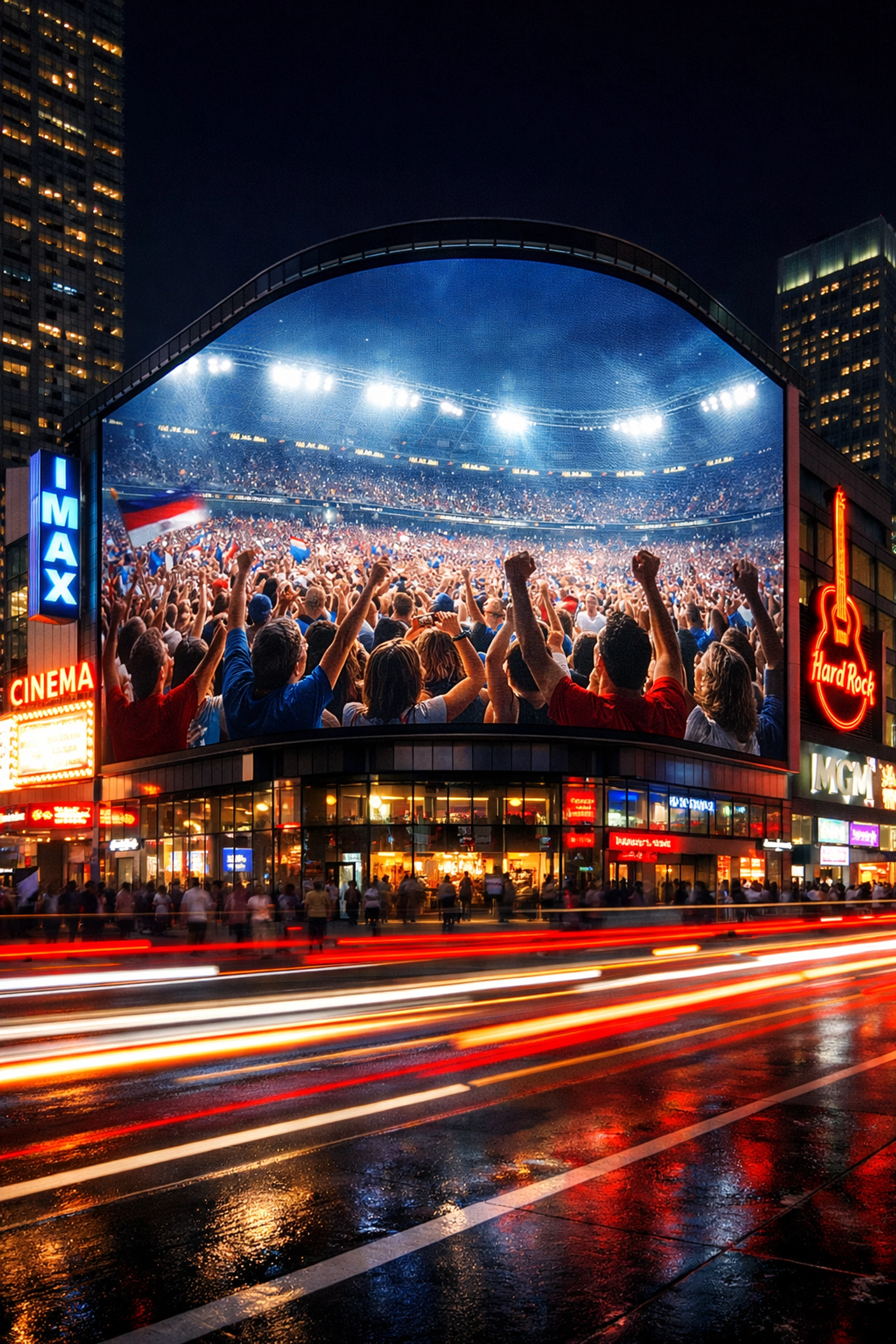
- Prioritize Creative Quality: Digital screens are high-definition. Low-quality creative can hurt brand perception. Ensure that visuals are optimized for the specific screen sizes and orientations of the DOOH network.
- Leverage Real-Time Data: Do not treat DOOH as a static medium. Use live game scores, countdown clocks, and weather triggers to stay relevant to the audience.
- Coordinate with Retail: If the goal is sales, ensure that screens are positioned near retail outlets or sports bars where fans can take immediate action.
- Adopt a Fan-Centric View: Consider what the fan needs at different points of their day. A commute-time ad might focus on logistics or broadcast schedules, while a post-game ad might focus on celebration or refreshment.
The Future of Sports DOOH
The future of this medium involves deeper integration between digital screens and the fans' mobile devices. Smart venues are beginning to use DOOH to trigger notifications in fan apps, creating a seamless experience between the physical display and the mobile phone.
As the number of digital screens in urban centers and near stadiums grows to exceed tens of thousands of units, the opportunity for brands to scale their message has never been greater. Media planners who adopt these innovative strategies early will be better positioned to capture the attention of a highly engaged and loyal sports audience.
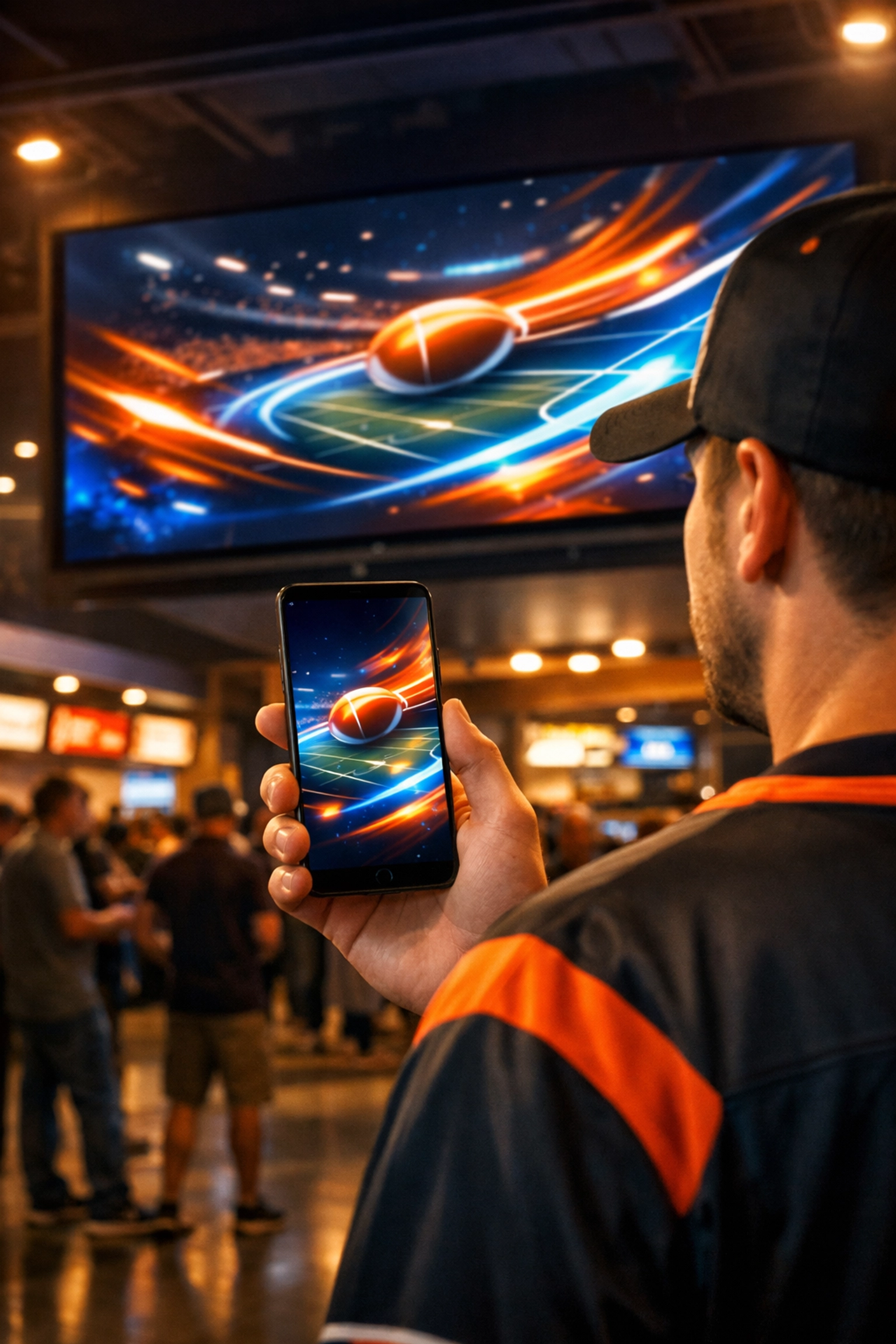
For brands looking to enter this space, the focus should remain on utility and context. By providing fans with valuable information or enhancing the excitement of the game through dynamic visuals, brands can build lasting connections that traditional advertising cannot replicate. The combination of programmatic flexibility and real-time data makes DOOH an essential tool for any modern sports marketing strategy.