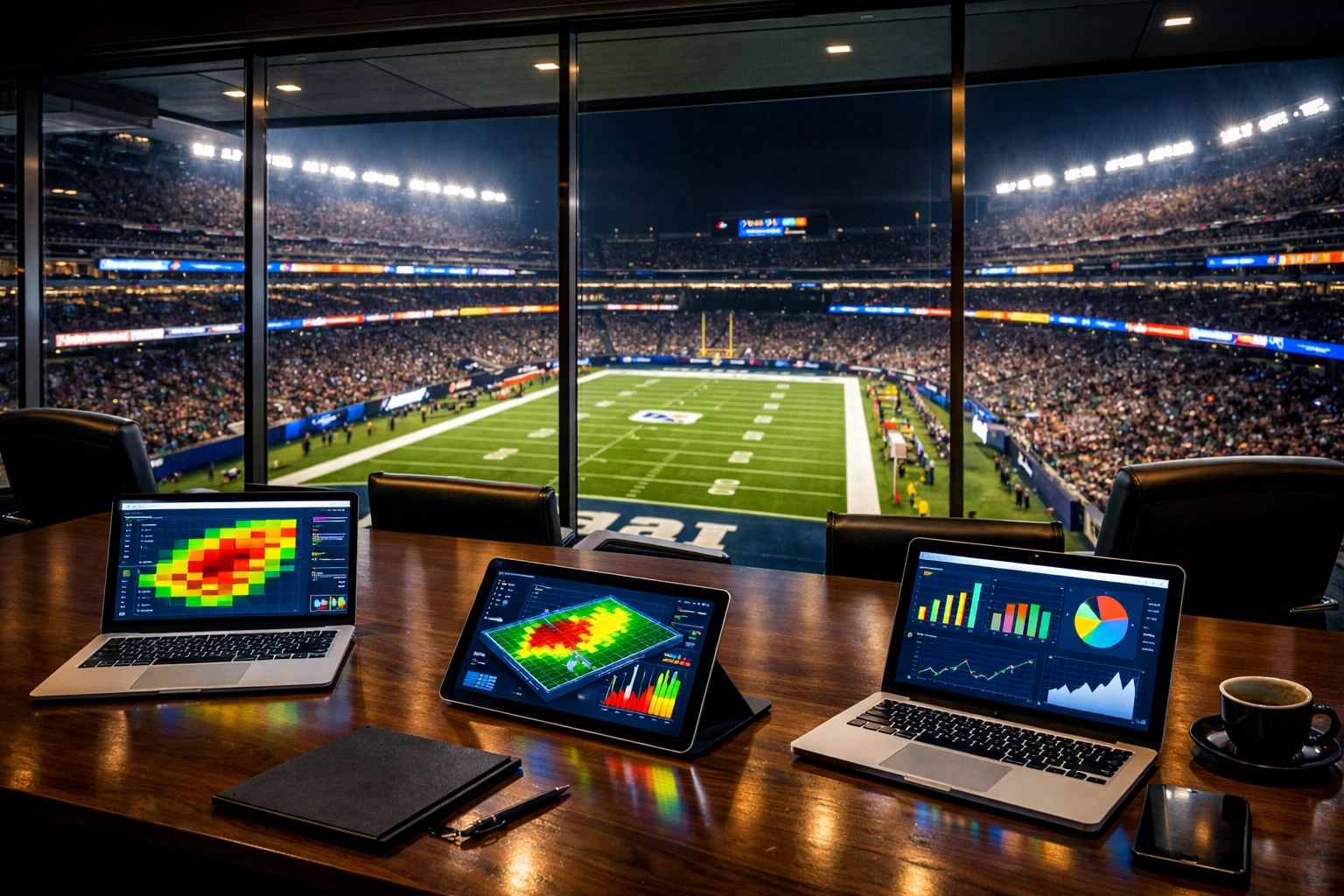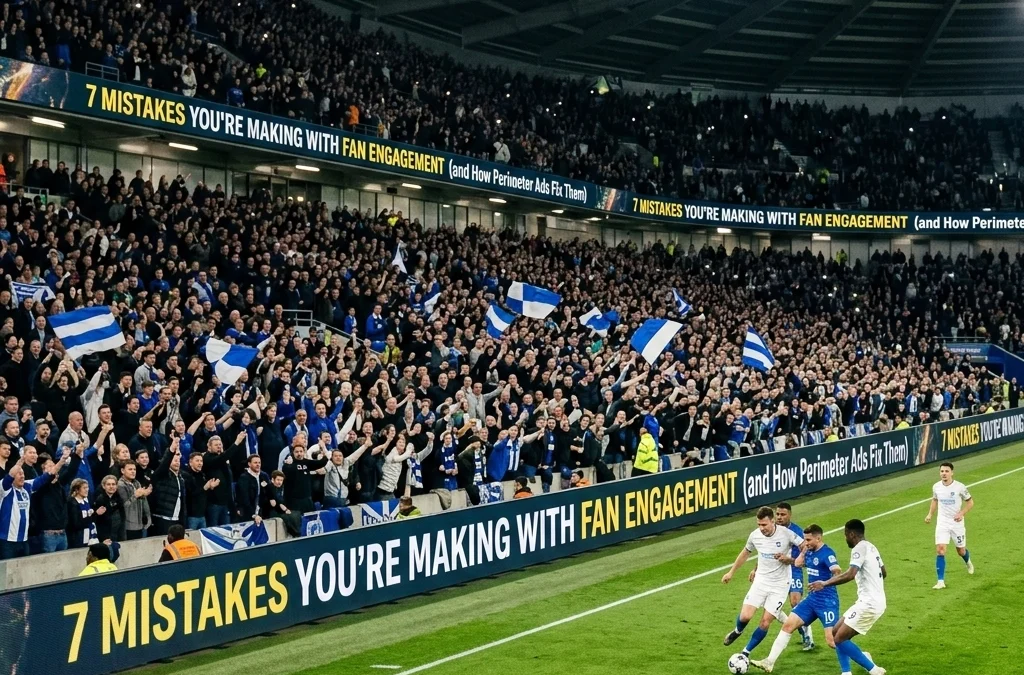
The landscape of sports marketing is undergoing a significant transformation. As digital noise increases, Creative Directors and CMOs are seeking more effective ways to capture the attention of a distracted audience. Fan engagement is no longer just about having a presence in the stadium. It is about creating a seamless, interactive experience that resonates long after the final whistle.
While traditional advertising methods often struggle to maintain relevance in a high speed environment, stadium perimeter advertising, often referred to as Sportrons, provides a unique solution. Many brands continue to repeat the same errors, leading to wasted budgets and missed opportunities. Understanding these pitfalls is the first step toward optimizing a brand strategy for maximum impact.
1. Treating Every Fan the Same
A common mistake in sports marketing is the deployment of generic content designed for a broad audience. Blasting the same message to every individual in a stadium fails to account for the diverse demographics, seating locations, and purchase behaviors present at a live event.
Perimeter ads powered by programmatic Digital Out of Home (DOOH) technology allow for a more nuanced approach. By leveraging data-driven insights, brands can deliver location-specific and demographic-targeted content in real-time. For example, digital displays can show different messages based on seating sections or even shift creative based on the time of day. This level of customization ensures that the message is relevant to the specific group of fans viewing it at that moment.
2. Ignoring the NIL and Student-Athlete Revolution
Many brands overlook the power of student-athletes and the Name, Image, and Likeness (NIL) movement. This is particularly prevalent when targeting Gen Z fans who value authenticity and local connections. Relying solely on national professional athletes can create a disconnect with younger audiences who feel a stronger tie to their local college stars.
Perimeter advertising offers a platform to bridge this gap. By featuring local student-athletes on stadium boards during collegiate events, brands can create parallel content streams that extend engagement beyond traditional audiences. This strategy fosters a sense of community and positions the brand as a supporter of local talent.

3. Creating One Location Activations
Limiting a campaign to the confines of the stadium means missing a massive portion of the potential audience. Only a small fraction of fans are physically inside the venue, while thousands more are in the surrounding areas, including transportation hubs, hotels, and fan zones.
OOH Sports addresses this by integrating perimeter ads into a broader marketing strategy. Perimeter ads serve as the visual anchor for a multi-touchpoint campaign. When combined with other digital out of home placements in airports or nearby retail centers, the branding becomes a consistent part of the fan’s entire journey. This approach ensures that the brand remains top of mind from the moment a fan arrives in the city until they leave the stadium.
4. Relying on Transactional Athlete Interactions
Authenticity is the currency of modern branding. Photo-ops and forced celebrity appearances often feel inauthentic and transactional to savvy fans. When an athlete's involvement feels like a standard paid endorsement rather than a genuine partnership, the impact on brand loyalty is minimal.
Perimeter ads can be used to showcase genuine community moments rather than just product placements. Highlighting an athlete’s charity work or featuring real-time social media interactions on the big screen creates an exclusive experience that feels collaborative rather than elitist. This shift from "selling to" the fan to "celebrating with" the fan is a key differentiator in successful engagement.
5. The Static Content Trap
Pre-planned content schedules often become irrelevant as the game progresses. If a brand is running a celebratory ad while the home team is losing significantly, the message can feel tone-deaf and out of touch with the crowd’s emotion.
Perimeter ads fix this through reactive content capabilities. By using programmatic DOOH, brands can deploy content that responds to live game data. Whether it is a "score-triggered" creative or a message that changes based on the weather, the ability to monitor trending conversations and deploy responses within minutes is crucial. This dynamic nature was effectively demonstrated in the Nike NYC Marathon campaign, where the brand maintained a dominant presence without being an official sponsor by staying agile and relevant to the event's progression.

6. Adopting a One and Done Mentality
Treating a major sporting event as a single transaction is a missed opportunity for long term brand growth. Many campaigns end the moment the game is over, failing to build a sustained engagement loop.
The solution lies in the integration of mobile retargeting with physical perimeter ads. When a fan is exposed to a digital billboard or a perimeter ad, their device ID can be captured within a privacy-compliant framework. This allows the brand to follow up with targeted digital ads or exclusive offers in the days following the event. Utilizing platforms like the StackAdapt DSP ensures that the initial stadium exposure leads to a tiered rewards system or a continued conversation, significantly increasing the ROI of the initial spend.
7. Ignoring the Peripheral Power of the Stadium Environment
Many advertisers focus solely on the "main event" or the central screen, ignoring the power of peripheral vision. Perimeter ads (Sportrons) provide a constant brand presence that surrounds the action. Because these ads are often in the background of every broadcast shot and fan photo, they achieve a high level of "passive" exposure that is often more effective than an intrusive 30 second commercial.
By occupying the perimeter, a brand claims 100% share of voice in the fan's field of vision during the most intense moments of the game. This constant visibility builds brand familiarity and trust through repetition and association with high stakes, positive emotional experiences.
Strategy and Execution
To effectively implement perimeter advertising, OOH Sports utilizes a sophisticated technical framework. The strategy begins with identifying high traffic zones and key game moments where fan attention is at its peak.
Objective & Strategy:
- Maximize brand recall through high frequency peripheral exposure.
- Utilize programmatic triggers to ensure message relevance.
- Bridge the gap between physical stadium presence and digital retargeting.
Technology Partners:
OOH Sports collaborates with leading technology providers to manage real-time bidding and creative deployment. By integrating with specialized DSPs, the brand ensures that every ad impression is accounted for and optimized based on live performance data. More details on the technical specifications of these boards can be found on the Sportrons page.
Measurable Results and Impact
The effectiveness of these strategies is not just theoretical. Data from recent programmatic DOOH campaigns highlights the significant lift that stadium and sports related advertising can achieve.
- White Claw Campaign: A programmatic campaign for the launch of a new vodka product resulted in a 74% lift in purchase consideration. This was achieved by targeting fans during high energy social occasions. Detailed analysis is available in the White Claw case study.
- AB InBev (Mike’s Hard Iced Tea): This campaign saw a 119% lift in positive brand image. By using dynamic creative that resonated with the celebratory atmosphere of sports events, the brand successfully improved its perception among target demographics. Read more in the AB InBev case study.
- Sea-Doo: The brand's first digital OOH campaign focused on high traffic recreational areas and sports zones, resulting in a 144% increase in purchase consideration. The specifics of this execution can be found in the Sea-Doo case study.
The Path Forward for CMOs
The sports advertising market is projected to grow significantly, with some estimates suggesting it will reach $50 billion by 2030. For Creative Directors and CMOs, the challenge is not just about spending more, but about spending smarter. Avoiding common engagement mistakes requires a shift toward more dynamic, localized, and sustained advertising models.
Perimeter ads are no longer just static banners. They are intelligent, reactive, and highly integrated components of a modern marketing mix. By moving away from one-size-fits-all strategies and embracing the programmatic potential of OOH Sports, brands can ensure they are not just seen, but remembered.
For more information on how to optimize your next campaign or to view detailed policies and strategies, visit our blog or contact the team directly through our contact page.