
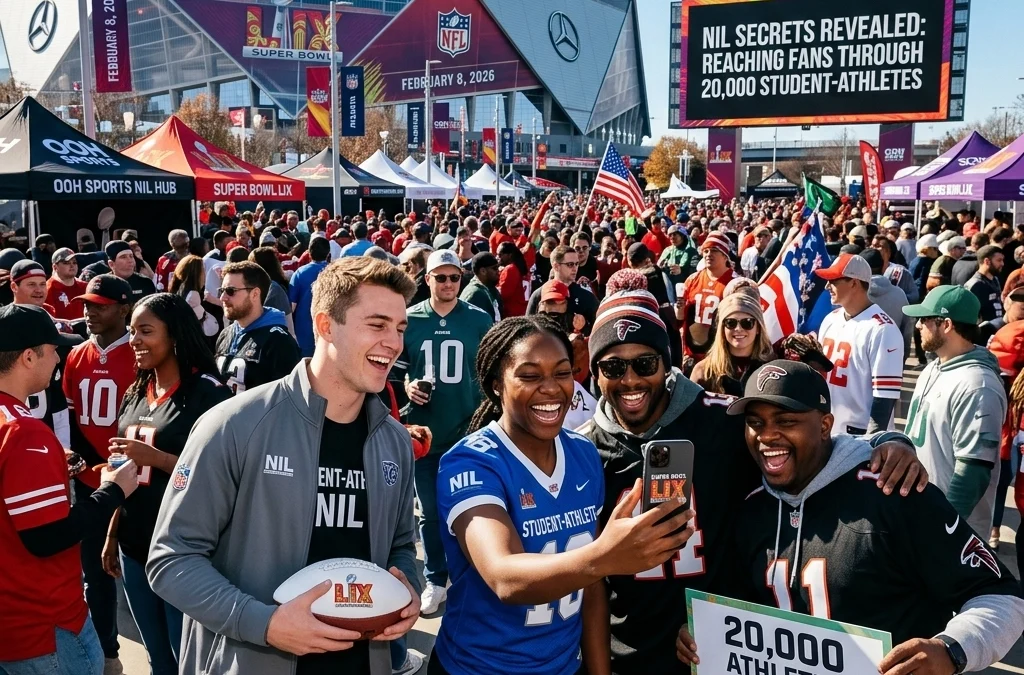
The landscape of sports marketing is changing fast. As Super Bowl 2026 approaches, the traditional 30 second television commercial is no longer the only way to reach a massive audience. While a single television spot can cost upwards of $7 million, a new strategy is emerging that leverages the power of Name, Image, and Likeness (NIL). This approach focuses on connecting brands with over 20,000 student-athletes to create a more personal and lasting impact.
The Strategy of the Super Bowl Blitz
Modern media buyers are looking for ways to cut through the noise of the big game. The "Super Bowl Blitz" strategy involves mobilizing a massive network of student-athletes to act as brand ambassadors. Instead of one national message, this strategy creates thousands of local conversations. These athletes are seen as local heroes in their college towns and home communities. When they speak, their fans listen.
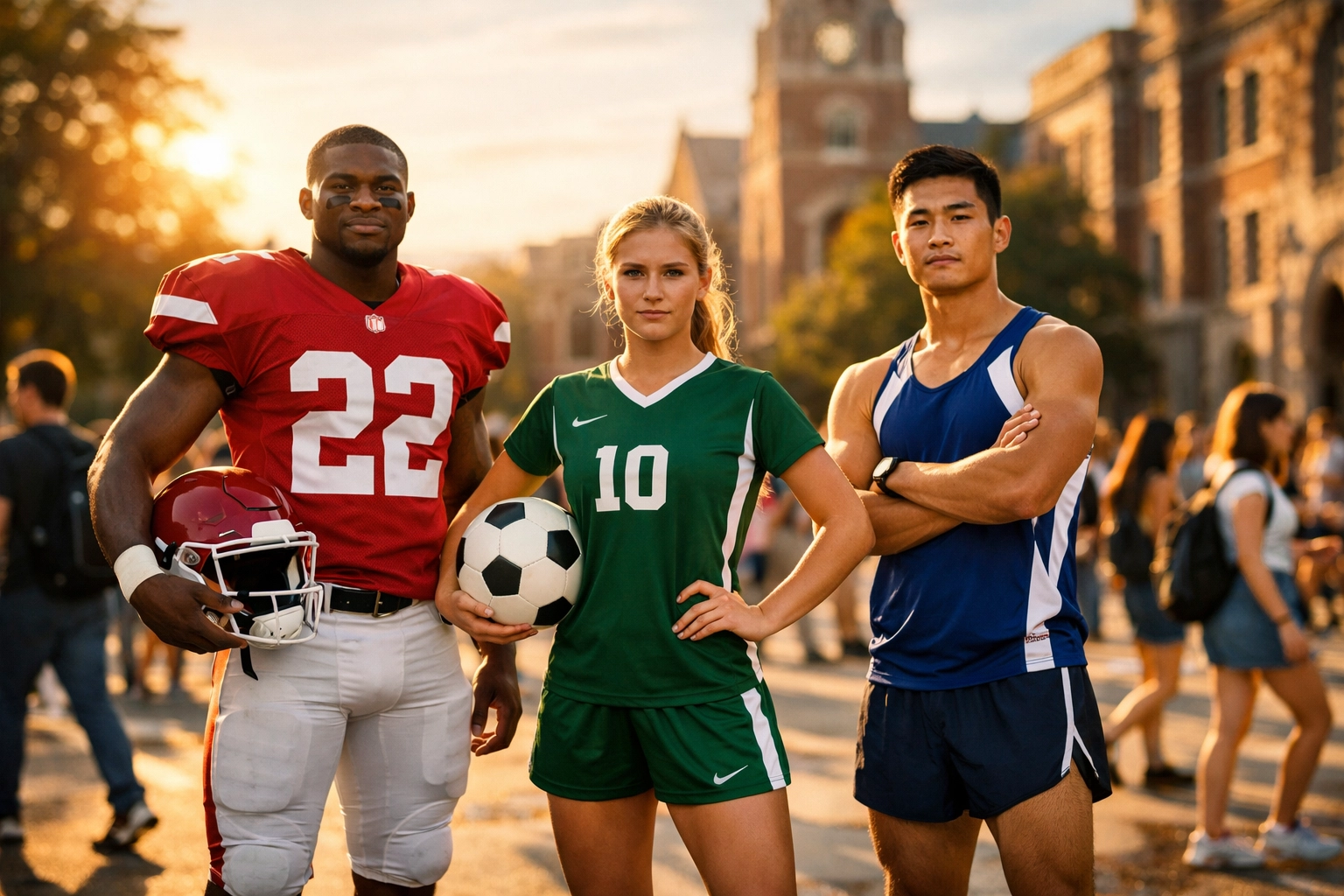
The core objective is to move away from a brief moment of national attention and toward a sustained period of engagement. A traditional Super Bowl ad lasts for 30 seconds and is often forgotten once the next commercial starts. In contrast, an NIL campaign can run for 72 hours, a full week, or even an entire season. This extended lifecycle ensures that the brand remains top of mind long after the final whistle of the Super Bowl.
Why 20,000 Voices Are Better Than One
The scale of 20,000 student-athletes provides a level of reach and authenticity that a single celebrity spokesperson cannot match. Celebrity endorsements often feel detached or overly polished. Student-athletes offer a sense of genuine connection. They are active members of their communities, and their followers are often peers, family members, and dedicated local fans.
This hyper-local reach is a key component of success. For example, a brand might struggle to gain traction in a specific college town using national television ads. However, by partnering with the star quarterback or a standout volleyball player from the local university, the brand gains immediate credibility. The trust that fans have in these athletes transfers to the brand itself.
Objective and Execution Logistics
Executing a campaign of this magnitude requires careful planning and a robust technological infrastructure. Most successful campaigns begin their planning phase 90 to 120 days before the event. This timeline allows for athlete recruitment, contract execution, and the development of a cohesive content strategy.
Managing 20,000 individual voices is impossible through manual outreach. Brands utilize specialized NIL platforms to automate the process. These systems handle the logistics of matching brands with the right athletes based on geographic location, sport, and social media following. This automation ensures that the campaign remains organized and scalable.

Technology and Real-Time Engagement
During the 72-hour window surrounding the Super Bowl, timing is everything. AI-driven systems are now used to generate content in real-time. These systems can capitalize on game moments within seconds, allowing athletes to share relevant content while the excitement is at its peak. This level of agility is something that traditional media simply cannot offer.
To see how these concepts come to life in the modern advertising world, watch the video below:
https://www.youtube.com/watch?v=l6J-0zileKE
The use of programmatic technology also plays a significant role. Just as brands use OOH Sports marketing strategies to target specific demographics in the physical world, NIL platforms allow for precise digital targeting. This ensures that the content reaches the fans who are most likely to engage with the brand.
Comparing ROI: Traditional Ads vs. NIL Campaigns
When evaluating the success of a campaign, return on investment (ROI) is the most important metric. Traditional Super Bowl ads are high-risk. If the ad fails to resonate, the brand has wasted millions of dollars in a matter of seconds. NIL campaigns spread that risk across thousands of different pieces of content.
Data from previous campaigns shows that the engagement rates for student-athlete posts are significantly higher than those of traditional brand accounts. Fans are more likely to like, comment on, and share a post from an athlete they admire. This organic sharing further increases the reach of the campaign without additional cost to the brand.
| Metric | Traditional Super Bowl Ad | 20,000 Student-Athlete NIL Campaign |
|---|---|---|
| Cost | ~$7 Million per 30 seconds | Variable, often more efficient |
| Duration | 30 Seconds | 72 Hours to 7 Days |
| Authenticity | Low (Polished/Celebrity) | High (Peer-to-Peer/Local Hero) |
| Targeting | National/Broad | Hyper-Local/Segmented |
| Engagement | Passive | Active/Social |
Measuring Brand Lift and Purchase Consideration
Measuring the impact of these campaigns involves looking at brand lift and purchase consideration. In several instances, programmatic campaigns in the sports space have seen massive success. For example, certain digital out-of-home efforts have driven a 74% lift in purchase consideration for new product launches. You can read more about these results in our case study section.
NIL campaigns follow a similar trajectory. By exposing fans to a consistent message from multiple trusted sources, brands can see a significant increase in positive brand image. The repetition of the message across 20,000 different social media feeds creates a "surround sound" effect that is hard to ignore.
The Role of Authentic Voices
Authenticity is the currency of the modern internet. Fans are increasingly skeptical of traditional advertising. They use ad-blockers and skip commercials whenever possible. However, they actively seek out content from their favorite athletes. By tapping into the NIL marketplace, brands can bypass the traditional barriers to entry.
The voices of 20,000 student-athletes provide a diverse range of perspectives. This diversity allows a brand to appeal to different demographics simultaneously. A student-athlete in Florida might frame the brand message differently than an athlete in Washington, ensuring that the content feels relevant to their specific audience.
Future Trends for Super Bowl 2026
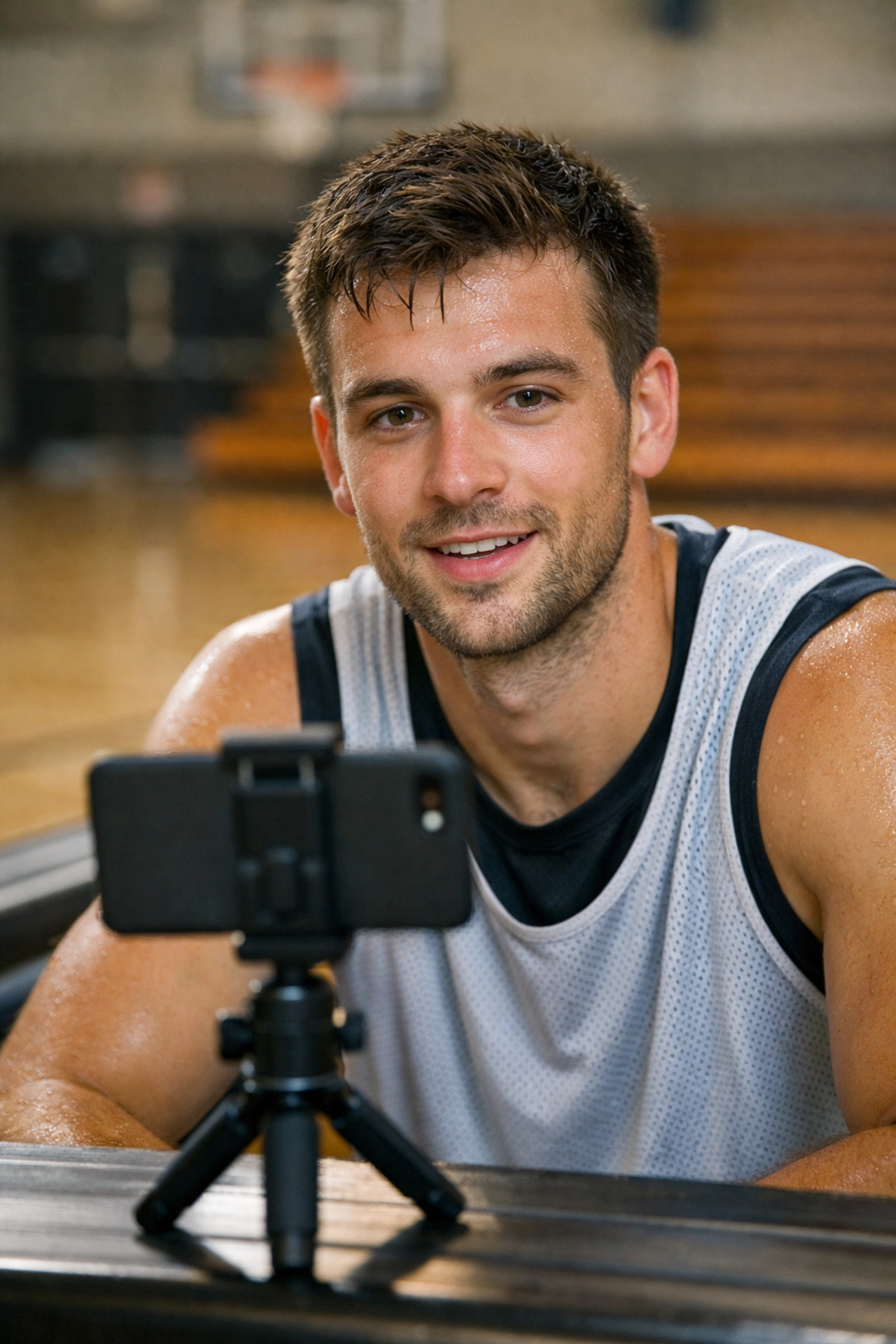
As we look toward 2026, the integration of NIL and physical advertising will likely increase. We may see student-athlete content featured on digital billboards near the stadium or in key transit hubs. This omnichannel approach ensures that fans see the message both on their phones and in the world around them.
The goal is to create a seamless experience for the consumer. Whether they are scrolling through social media at home or walking through the host city, the brand presence should be constant and authentic. This is the future of sports marketing, and it is built on the power of individual voices at a massive scale.
Final Strategic Thoughts
For media buyers, the message is clear. Relying solely on a single, expensive television spot is a strategy of the past. The future belongs to those who can harness the power of community and authenticity. By leveraging the NIL marketplace and 20,000 student-athlete voices, brands can achieve a level of engagement and ROI that was previously impossible.
The tools and platforms are now in place to make these massive campaigns a reality. With proper planning and the right technology, the Super Bowl can be more than just a game. It can be a multi-day, multi-platform event that builds lasting connections between brands and fans. For more insights on the latest trends in sports advertising, visit the OOH Sports blog.
The shift toward NIL is not just a trend. It is a fundamental change in how we think about influence and reach. As the countdown to Super Bowl 2026 begins, the brands that embrace this change will be the ones that come out on top. Using the right mix of technology, local influence, and authentic storytelling, any brand can turn the big game into a big win.