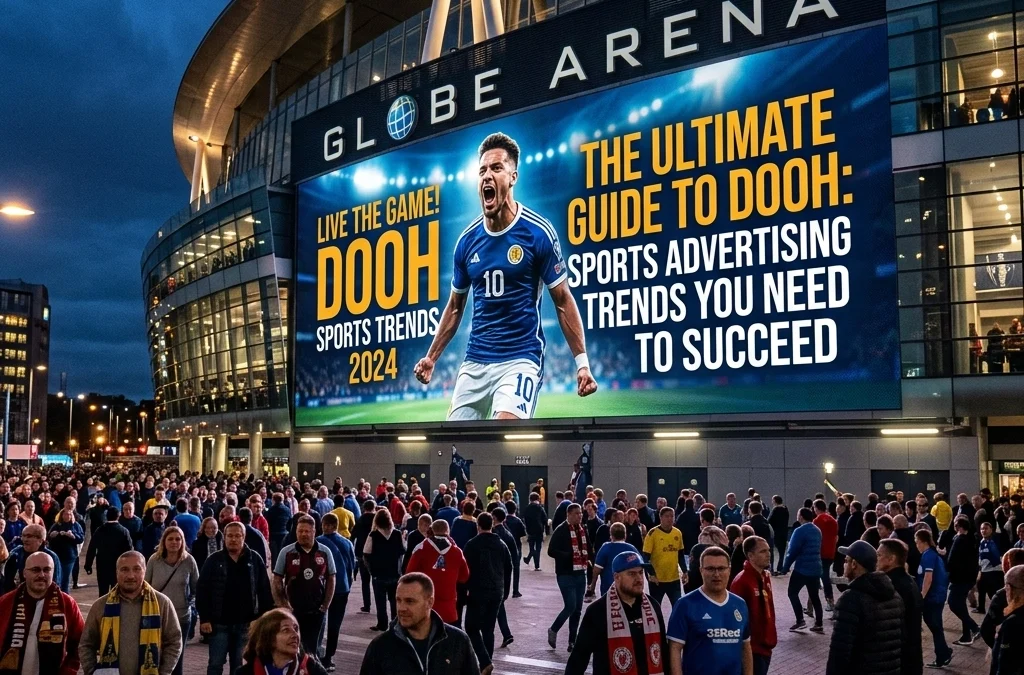
The landscape of sports marketing is undergoing a significant transformation. While traditional stadium placements once represented the pinnacle of brand visibility, the focus has shifted toward the digital out-of-home (DOOH) sector. This evolution is driven by the reality that the vast majority of fan engagement occurs outside the arena. Modern sports advertising now centers on capturing the attention of fans in their everyday environments, leveraging real-time data, programmatic automation, and omnichannel integration to drive measurable results.
As the industry moves toward a projected market value of $50 billion by 2030, understanding the technical and strategic shifts in DOOH is essential for any brand looking to maintain a competitive edge. This guide outlines the core trends and deployment strategies required to succeed in the high-stakes world of sports advertising.
The Evolution of the Fan Journey
The traditional model of sports advertising relied heavily on high-cost, static inventory within the stadium. However, data indicates that 99% of fan attention exists beyond the stadium gates. Sports fans spend a significant portion of their time in bars, restaurants, transit systems, and residential areas. Research shows that 91% of adults aged 21 to 34 and 89% of those aged 35 to 54 watch games at on-premise venues.
By utilizing sportrons and other digital displays, advertisers can reach these audiences where they are most receptive. The goal is no longer just to be present during the game but to become a consistent part of the fan’s daily routine, from the morning commute to the post-game celebration.
Trend 1: Real-Time Relevance Through Dynamic Creative Optimization (DCO)
One of the most impactful developments in DOOH is Dynamic Creative Optimization (DCO). This technology allows brands to move away from static messaging and toward responsive storytelling. DCO uses automated triggers to update ad creative in real time based on specific external factors.
Key triggers utilized in sports DOOH include:
- Live Game Data: Adjusting creative based on score changes, lead changes, or the final outcome of a game.
- Weather Conditions: Promoting specific products like rain gear or cold beverages depending on the current climate at the display location.
- Social Media Sentiment: Incorporating trending hashtags or fan reactions to create a sense of community.
- Time of Day: Shifting messaging from pre-game excitement in the morning to post-game highlights in the evening.
For example, a restaurant brand can trigger an advertisement for a discount on appetizers the moment a home team scores a touchdown. This level of immediacy creates a direct connection between the brand and the fan's emotional state.
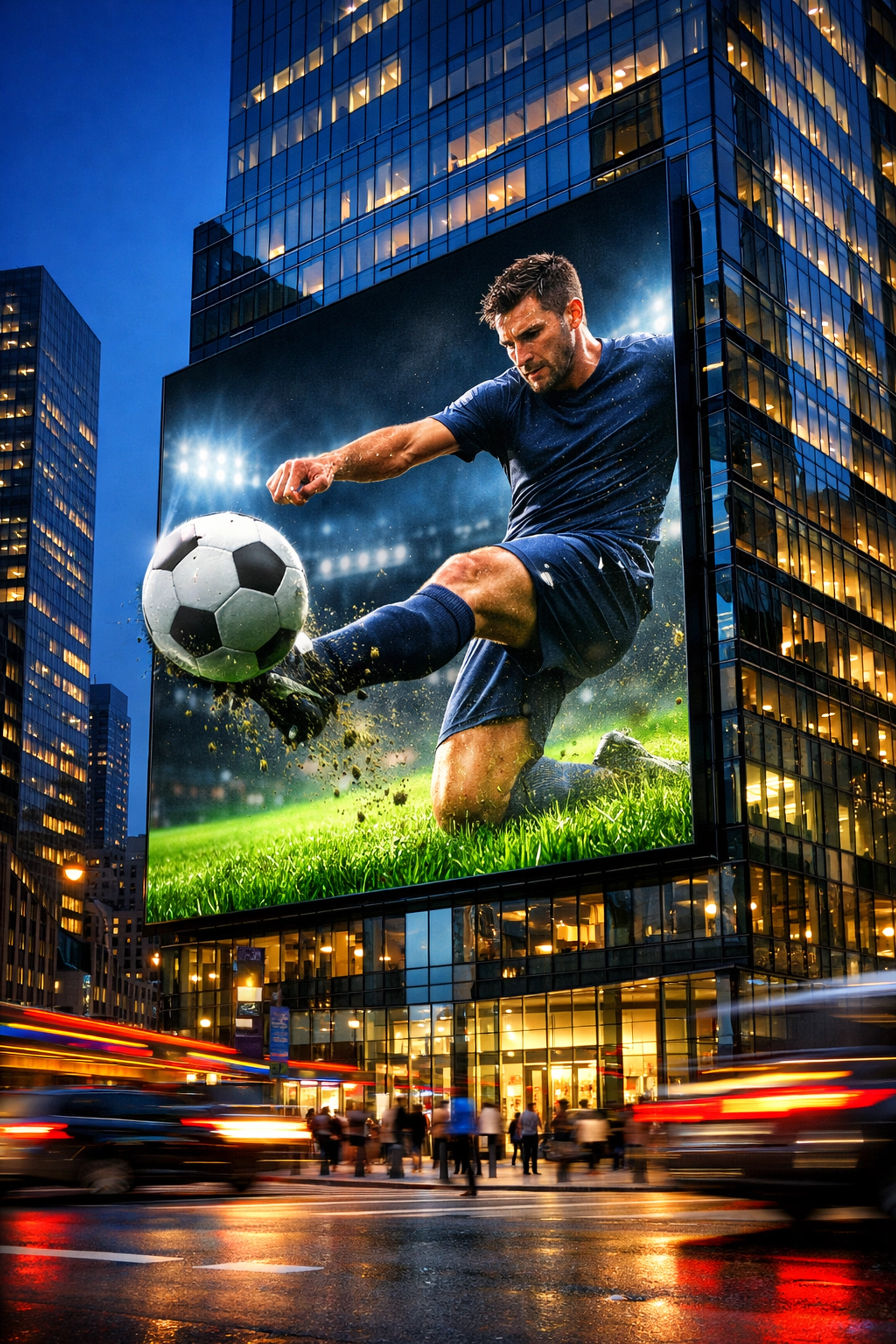
Trend 2: The Priming Effect of Omnichannel Reinforcement
DOOH is most effective when it functions as part of a broader marketing ecosystem. The concept of "priming" occurs when a consumer is exposed to a brand on one medium, such as television or social media, and that memory is subsequently reinforced by a physical DOOH display.
This multi-touchpoint approach strengthens the memory structure of a campaign. A fan may see a 30-second commercial during a broadcast and then encounter a 6-second summary on a digital billboard during their commute the following day. This reinforcement increases the efficiency of every dollar spent. An example of this strategy in action can be seen in how Nike successfully engaged fans during major sporting events without being an official sponsor, simply by maintaining a dominant presence in the physical spaces fans occupied.
Trend 3: Synchronized Multi-Format Campaigns
The most successful campaigns avoid treating individual ad placements as isolated events. Instead, they orchestrate a narrative progression across multiple DOOH formats. This ensures that the brand remains visible at every stage of the fan journey.
A typical synchronized campaign might follow this structure:
- Highways and Commute Routes: Large-format digital billboards establish initial brand awareness as fans travel toward a venue or a social gathering.
- Transit Systems: Digital screens in subways or bus stations reinforce the message during the "dwell time" of a commute.
- Street-Level Placements: Small-format displays on urban sidewalks provide final touchpoints as fans enter high-traffic areas.
- On-Premise Venues: Displays in sports bars and restaurants capture attention during peak game moments.
This coordinated approach ensures that the message is not only seen but remembered.
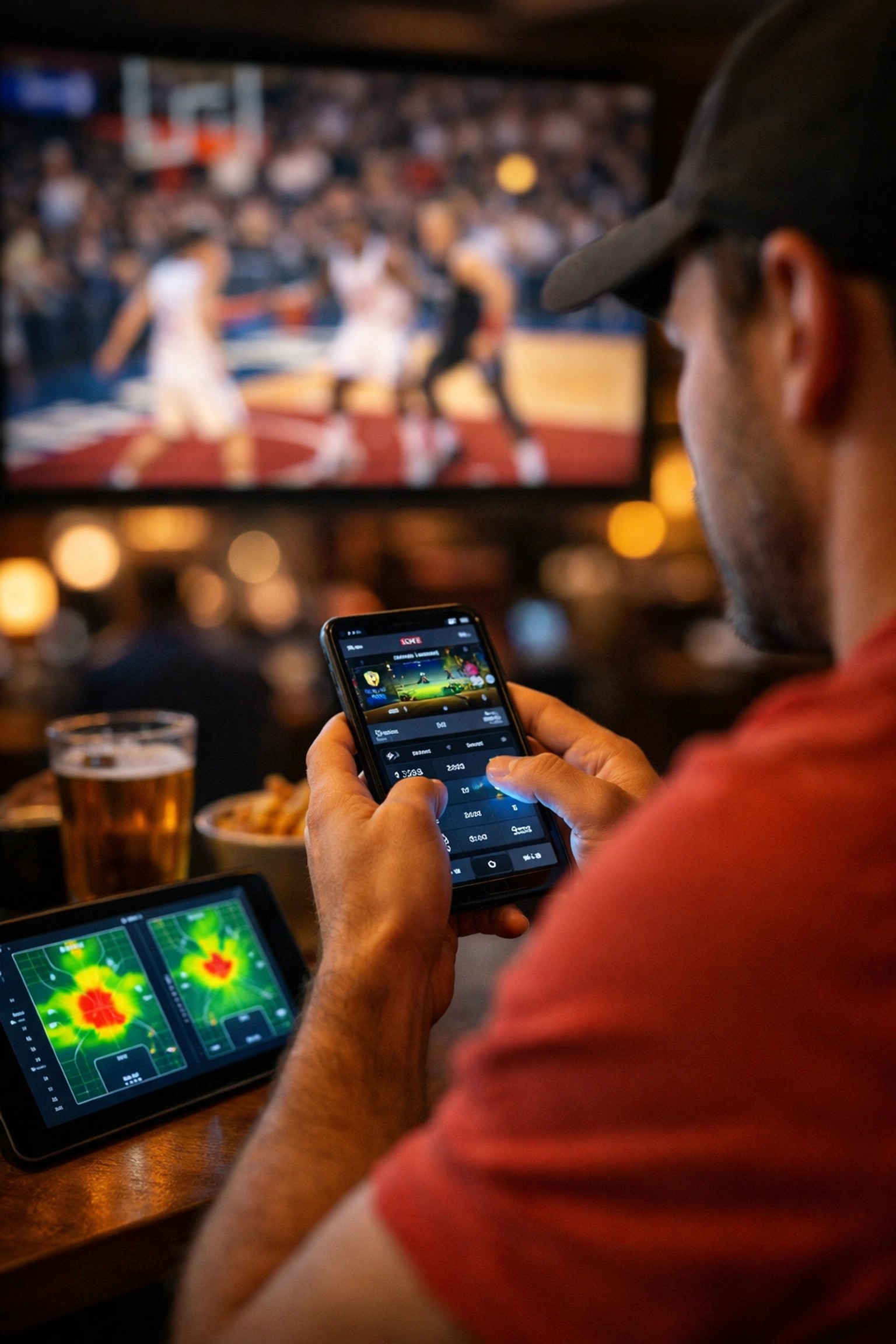
Trend 4: Integration with Streaming and the Multi-Screen Reality
The modern sports fan is a multi-screen consumer. It is common for an individual to watch a game on a primary screen while checking stats on a mobile device or engaging with social media. DOOH campaigns must account for this fragmentation by coordinating activations with broadcast schedules.
By timing DOOH placements to coincide with halftime or specific game breaks, brands can achieve visual consistency across physical and digital screens. This integration is facilitated by specialized platforms. For instance, the use of a StackAdapt DSP allows for the programmatic management of these complex, multi-screen campaigns, ensuring that the right message reaches the right audience at the precise moment of maximum impact.
Quantifiable Success: Data-Driven Outcomes
The effectiveness of DOOH in the sports sector is not merely theoretical. Measurement frameworks, including brand lift studies and foot traffic attribution, provide clear evidence of success. Several high-profile campaigns demonstrate the impact of programmatic DOOH:
- White Claw: By targeting specific consumer segments during a product launch, this campaign achieved a 74% lift in purchase consideration.
- Mike’s Hard Iced Tea: A programmatic approach led to a 119% lift in positive brand image.
- Sea-Doo: Their first DOOH campaign resulted in a 144% increase in purchase consideration.
These results highlight the ability of DOOH to move the needle on key brand metrics by reaching fans in contextually relevant environments.
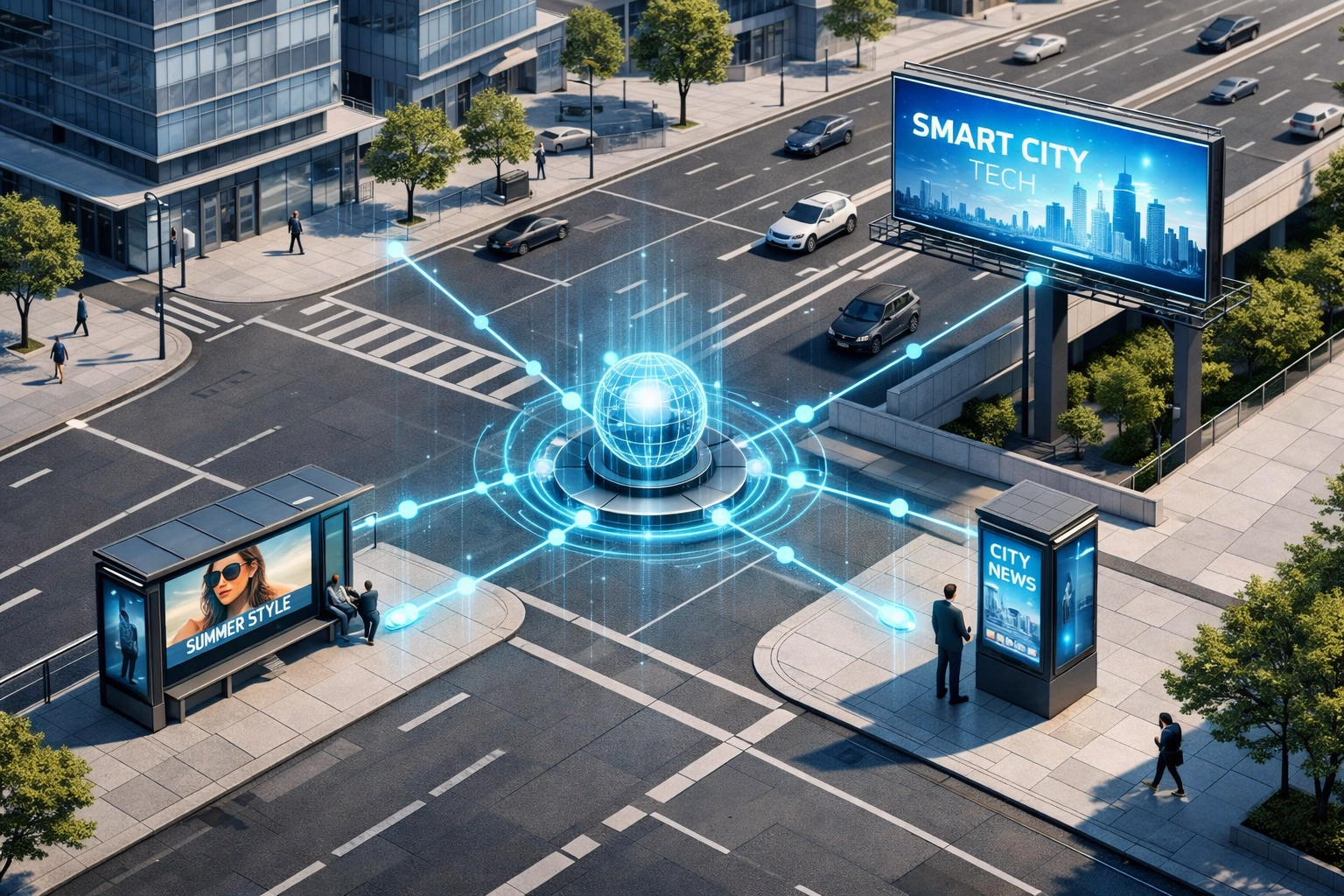
Strategic Deployment Framework
To succeed in sports DOOH, brands must follow a structured approach to planning and execution. This framework focuses on four critical pillars:
1. Planning and Positioning
Determine where the target audience spends time outside of the game itself. This includes identifying key sports bars, residential lobbies in sports-heavy markets, and primary transit routes. The positioning should reflect the fan's mindset at each location.
2. Creative Packaging
Develop creative assets that are specifically designed for the DOOH medium. This involves creating short, impactful visuals that can be understood in seconds. Creative should be designed with DCO in mind, allowing for easy updates based on real-time data.
3. Technological Integration
Leverage programmatic platforms to automate the buying and delivery process. Programmatic DOOH allows for precise targeting based on geographic location, time of day, and specific event triggers. This minimizes waste and ensures that budget is allocated to the highest-performing screens.
4. Perception and Measurement
Establish clear KPIs before the campaign begins. Use third-party measurement partners to track brand lift, purchase intent, and physical foot traffic. Analyzing these results allows for the continuous optimization of future campaigns. Brands interested in exploring these strategies can review more detailed findings in our case study section.
Conclusion
The transition to digital out-of-home advertising represents a fundamental shift in how sports brands interact with their audiences. By moving beyond the stadium and into the everyday lives of fans, advertisers can create more meaningful, timely, and impactful connections. Through the use of real-time data, omnichannel synchronization, and programmatic precision, DOOH provides a scalable solution for modern sports marketing challenges.
As the market continues to grow, those who embrace these trends will be well-positioned to capture the attention of the next generation of sports fans. For more information on implementing these strategies, visit our blog or contact the team to discuss specific campaign objectives.