
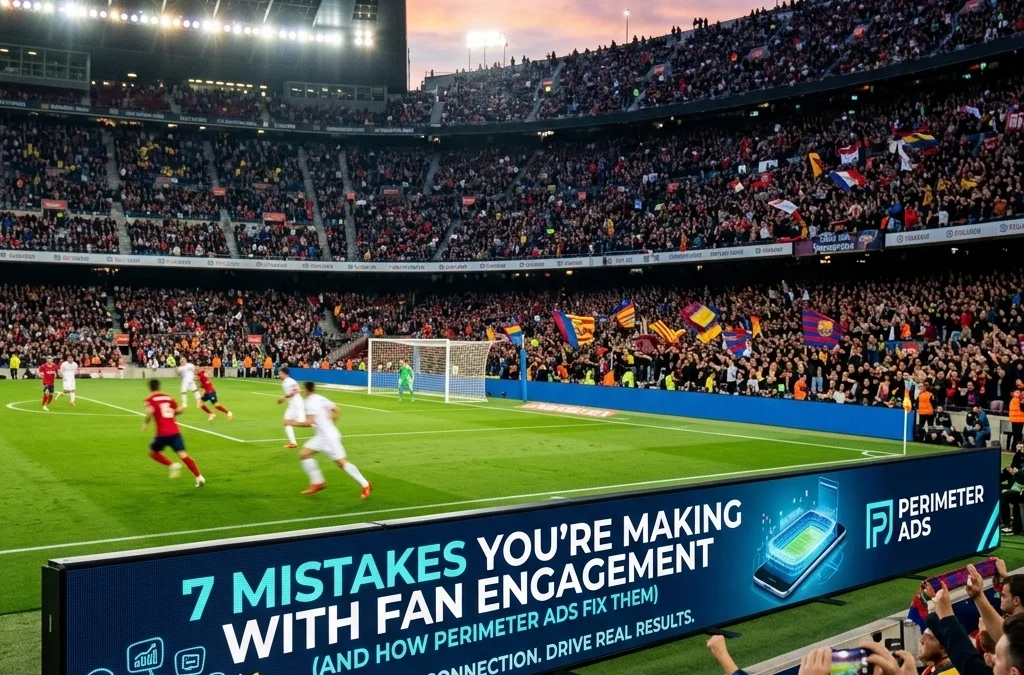
Fan engagement in the modern sports landscape has evolved beyond simple attendance. For Creative Directors and Chief Marketing Officers, the challenge lies in capturing attention within a highly saturated environment. Despite significant investments in digital and social media, many brands continue to fall into common pitfalls that diminish the impact of their sports marketing efforts. Stadium perimeter advertising, particularly when powered by programmatic digital out-of-home (pDOOH) technology, provides a strategic solution to these challenges.

Mistake #1: Broad-Stroke Messaging
A frequent error in fan engagement is treating the entire stadium audience as a single, monolithic group. Brands often deploy generic creative that fails to resonate with specific demographics or sub-groups within the venue. When messaging is too broad, it becomes background noise.
The Perimeter Ad Solution:
Digital perimeter boards allow for granular targeting and creative flexibility. By leveraging programmatic platforms, brands can rotate creative assets based on the specific event, the time of day, or even the current momentum of the game. This ensures that the message remains relevant to the audience currently in the seats. High-relevance creative has been shown to significantly increase brand recall compared to static, one-size-fits-all signage.
Mistake #2: Missing the Integrated Ecosystem
Many marketers view stadium advertising as an isolated tactic. They focus on the in-stadium experience while ignoring the fan journey before they enter the gates and after they leave. This fragmented approach leads to a lack of frequency and missed opportunities for conversion.
The Perimeter Ad Solution:
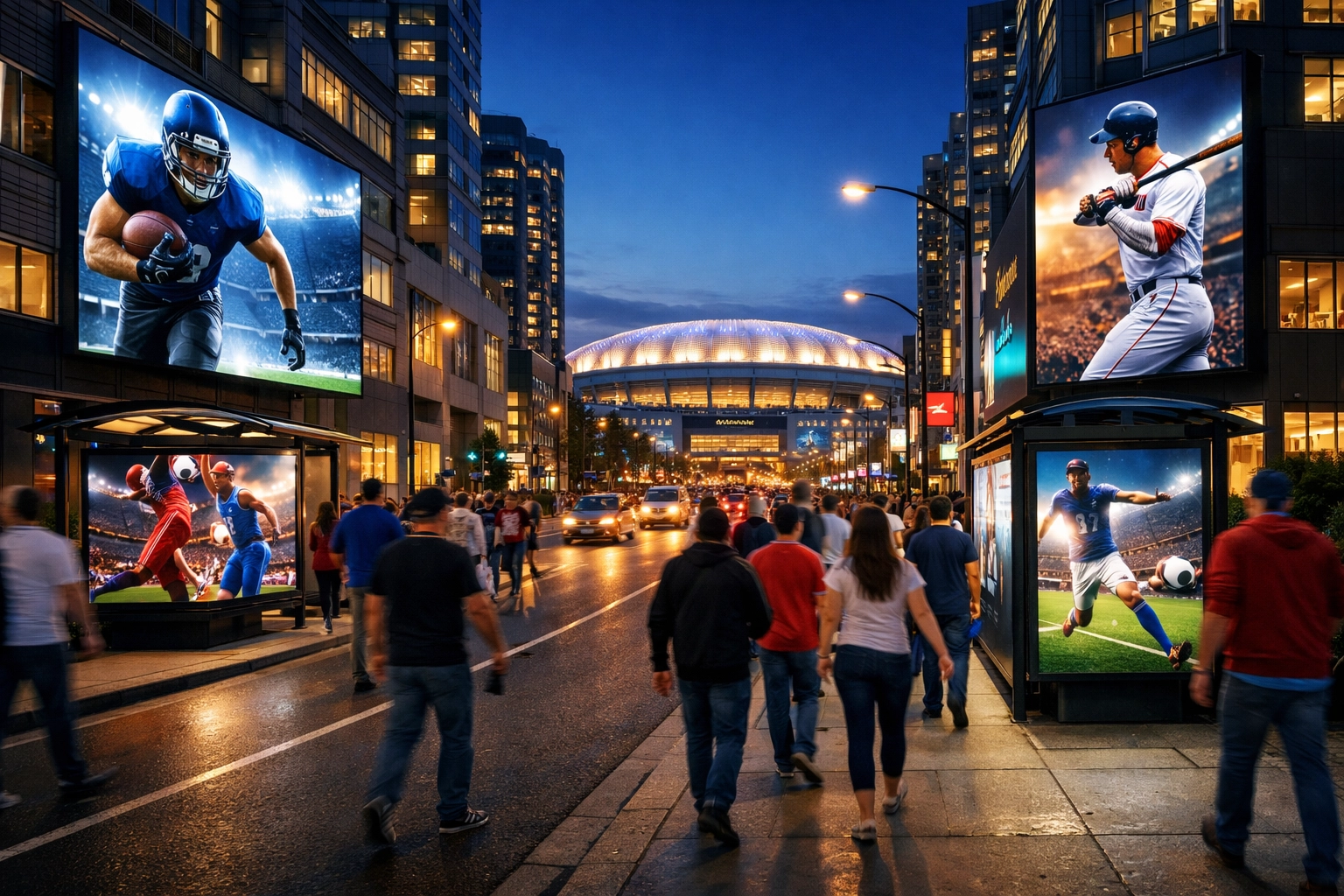
Modern sports advertising should be viewed as an ecosystem. Perimeter ads serve as a high-visibility anchor within the venue, but their impact is amplified when integrated with broader out-of-home advertising strategies. Coordinating perimeter visuals with digital screens in transit hubs, nearby bars, and retail centers creates a continuous brand narrative. This surround-sound effect ensures the brand stays top-of-mind throughout the entire match day experience.
Mistake #3: Static Visuals in a Motion-Driven Environment
Human attention is naturally drawn to movement. A common mistake is using static or low-energy creative on digital perimeter boards. In an environment defined by high-speed action and emotional peaks, static images often fail to break through the visual clutter of the stadium.
The Perimeter Ad Solution:
Perimeter ads excel when they utilize subtle motion and high-contrast visuals. Movement on the boards can be synchronized to lead the eye toward specific branding elements. Because perimeter boards are often in the direct line of sight of the action, using dynamic transitions allows the brand to feel like a part of the game's energy rather than an interruption. Brands that transition from static to motion-based creative often see a measurable lift in engagement metrics.
Mistake #4: Disconnection from Real-Time Game Context
Fans are most engaged when the stakes are high. A common mistake is running creative that has no connection to what is happening on the field. An ad for a cold beverage during a tense, scoreless tie feels less impactful than one that appears immediately after a goal or a major play.
The Perimeter Ad Solution:
The implementation of real-time triggers is a game-changer for perimeter advertising. Programmatic DOOH allows brands to automate creative changes based on live data feeds. If a home team scores, the perimeter boards can instantly switch to celebratory creative. This contextual alignment creates a positive association between the brand and the fan's emotional state. This strategy is particularly effective for categories like sports betting, where real-time campaigns can be launched in under 24 hours.
Mistake #5: Neglecting the Broadcast Backdrop
Marketing teams often focus exclusively on the fans physically present in the stadium. However, the true reach of perimeter advertising extends far beyond the venue walls. A significant mistake is failing to optimize creative for television and social media "background" visibility.
The Perimeter Ad Solution:
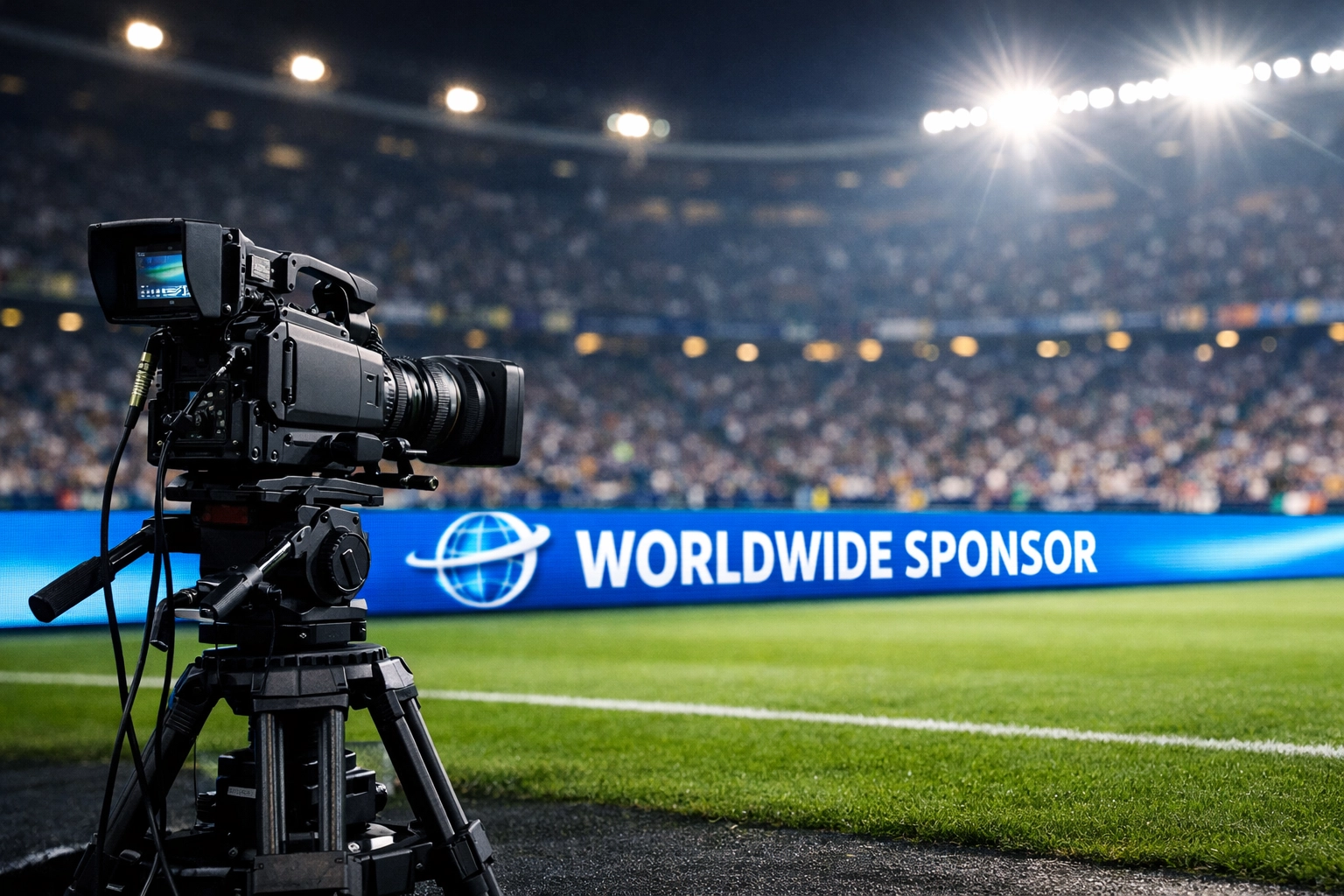
Perimeter ads are strategically positioned to be captured by broadcast cameras during gameplay. This provides brands with "earned" media value as the signage appears in highlights, social media clips, and live broadcasts. By choosing colors and typography that are optimized for screen visibility, brands can ensure their message is clear to the millions of viewers watching at home. This dual-purpose visibility significantly lowers the effective cost per thousand impressions (CPM) of the campaign.
Mistake #6: Lack of Data-Driven Measurement
Historically, stadium advertising was difficult to measure. Many CMOs continue to rely on "estimated impressions" or general attendance figures to justify their spend. This lack of precise data makes it difficult to optimize campaigns or prove return on investment (ROI).
The Perimeter Ad Solution:
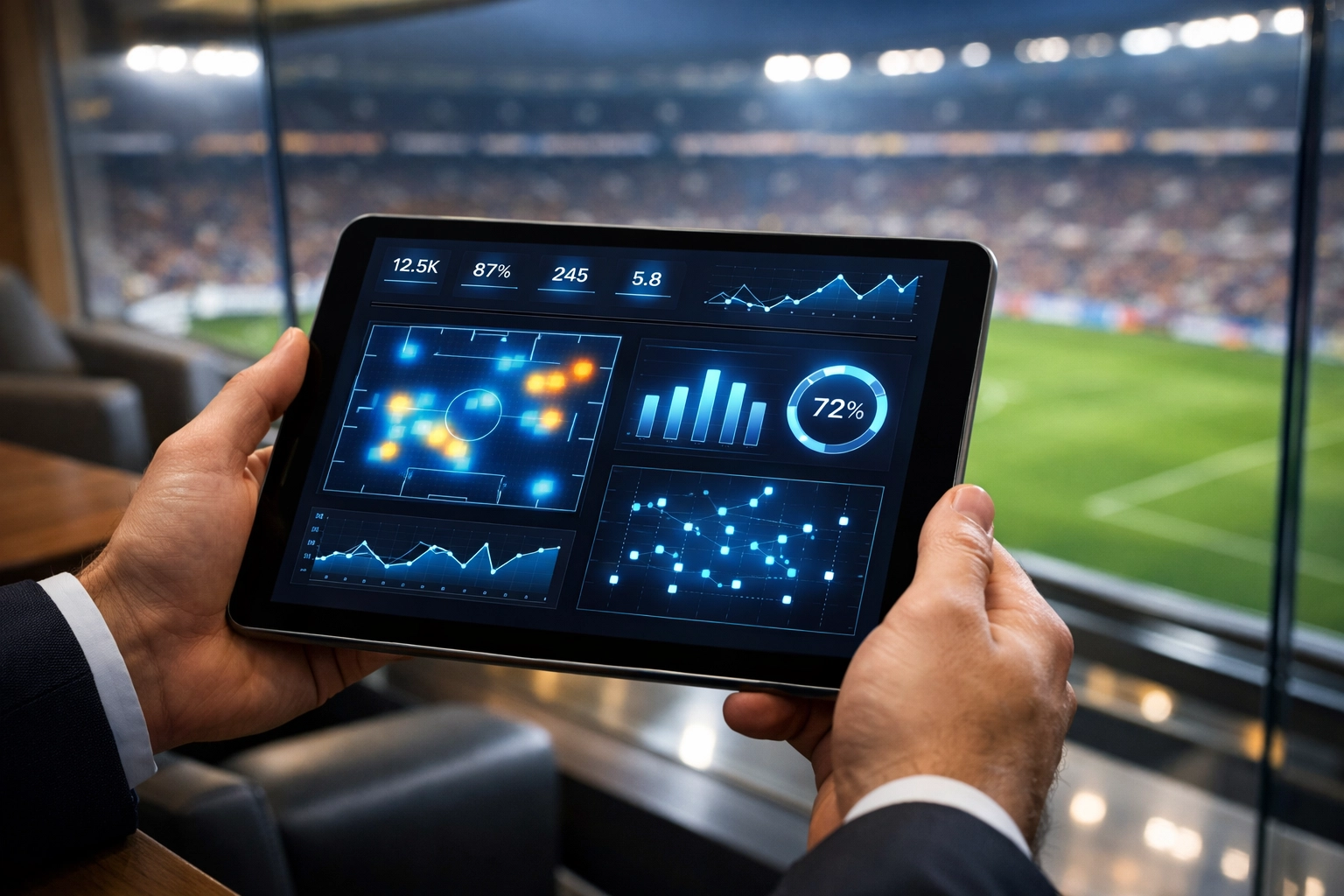
The shift to digital and programmatic OOH has introduced a new era of analytics. AI-powered analytics and measurement tools now allow marketers to track more than just foot traffic. By using anonymous mobile location data, brands can determine how many fans were exposed to the perimeter ads and subsequently visited a retail location or a website. This closed-loop attribution is essential for modern marketing departments that demand accountability for every dollar spent.
Mistake #7: Transactional Rather than Experiential Content
The final mistake is treating fan engagement as a purely transactional interaction. Ads that focus solely on "buy now" messaging can feel intrusive during a sporting event. Fans are there for an experience, and branding should enhance that experience rather than detract from it.
The Perimeter Ad Solution:
Perimeter ads provide a platform for brand storytelling and community building. Instead of a direct hard-sell, effective perimeter creative often focuses on brand values, lifestyle alignment, or fan support. By positioning the brand as a "supporter" of the team or the fan culture, marketers can build long-term brand equity. This approach has been proven to drive significant lifts in purchase consideration by fostering a deeper emotional connection with the audience.
Strategy and Objective
The primary objective of a stadium perimeter campaign is to maximize brand share-of-voice during high-attention moments. To achieve this, a clear strategy must be defined before any creative is deployed.
- Audience Identification: Use historical data to understand the fan demographics of specific matches.
- Creative Alignment: Develop multiple sets of creative that cater to different game scenarios (e.g., winning, losing, halftime).
- Geographic Expansion: Identify surrounding OOH assets that can reinforce the perimeter messaging to create a seamless journey.
Technology and Execution
The execution of a modern perimeter campaign relies on a robust technological stack. Traditional manual uploads are being replaced by automated systems that offer speed and precision.
- Dynamic Creative Optimization (DCO): This technology allows the system to automatically assemble different creative elements in real-time based on external data.
- Programmatic Marketplaces: These platforms enable marketers to buy stadium inventory with the same ease as digital display ads, allowing for flexible budgets and rapid deployment.
- Real-Time Data Integration: Connecting perimeter boards to live sports data feeds ensures that messaging is always synchronized with the play-by-play action.
Results and Measurement
When these mistakes are corrected through the strategic use of perimeter ads, the results are measurable and significant. Data from recent campaigns indicates that a well-executed sports DOOH strategy can lead to substantial gains in brand metrics.
- Brand Awareness: Campaigns utilizing dynamic perimeter ads often see a double-digit increase in unaided brand awareness among attendees.
- Purchase Consideration: Brands like White Claw have seen a 74% lift in purchase consideration by pairing DOOH with specific product launches.
- Positive Brand Image: The association with live sports often leads to improved brand perception, with some campaigns reporting over a 100% lift in positive brand image.
By avoiding the common mistakes of generic messaging, static visuals, and poor measurement, Creative Directors and CMOs can unlock the true potential of fan engagement. Stadium perimeter advertising, when integrated into a modern programmatic OOH strategy, provides the visibility, relevance, and data-driven insights necessary to win in the competitive world of sports marketing.