
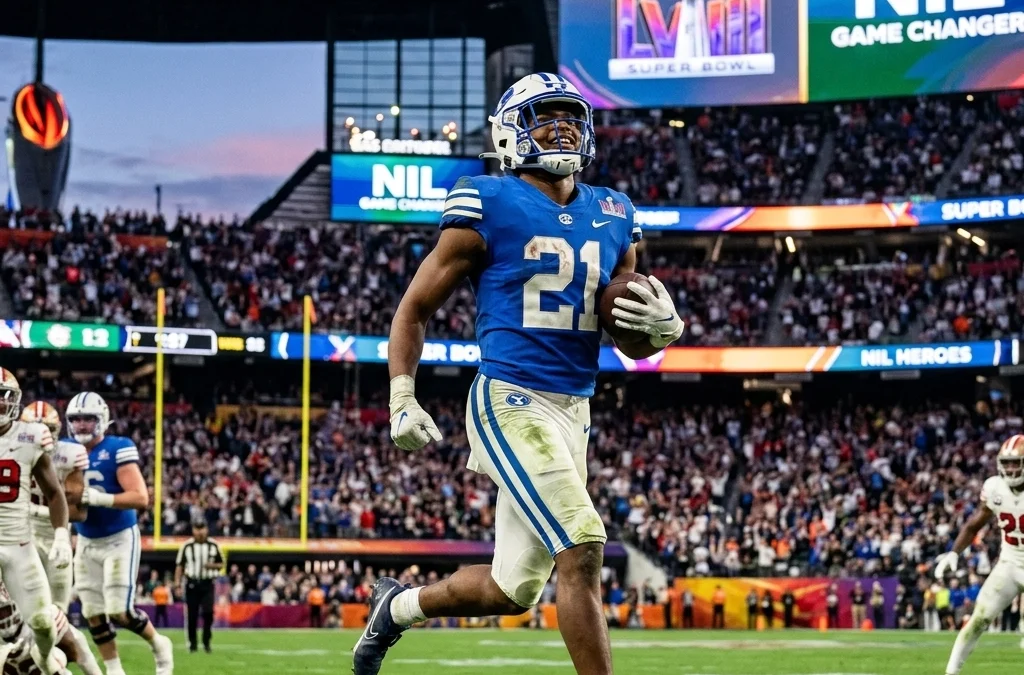
The Super Bowl remains the pinnacle of American advertising. However, the landscape for Super Bowl LX in 2026 has evolved beyond traditional thirty-second television spots. As media buyers look for higher ROI and deeper audience connection, Name, Image, and Likeness (NIL) partnerships have emerged as a dominant force. With a network of over 20,000 student-athletes, brands now have the ability to execute hyper-local, authentic, and scalable campaigns that resonate far beyond the stadium walls.
Objective and Strategy
The primary objective for any Super Bowl campaign is to capture attention in a saturated market. Traditional advertising during the game is often prohibitively expensive and offers limited engagement outside of the broadcast window. The strategy for 2026 focuses on decentralized influence. By leveraging 20,000 diverse athlete voices, a brand can create a groundswell of organic conversation that starts weeks before kickoff and continues long after the final whistle.
This approach utilizes a multi-tiered strategy. While a single NFL star might provide high visibility, 20,000 student-athletes provide high trust and regional saturation. These athletes represent a cross-section of demographics, interests, and geographic locations, making it possible to target specific consumer segments with surgical precision.
The Power of 20,000 Authentic Voices
Authenticity is the currency of modern marketing. Consumers, particularly Gen Z and Millennials, are increasingly resistant to polished, corporate messaging. Student-athletes provide a level of relatability that professional celebrities often lack. They are peers to their followers, and their endorsements carry the weight of a personal recommendation.
The OOH Sports NIL platform acts as the bridge between these 20,000 athletes and major media buyers. This scale allows for the simultaneous launch of thousands of unique content pieces. Whether it is a local star in a key market or a specialized athlete in a niche sport, the platform ensures that the right message reaches the right audience at the right time.
Campaign Mechanics and Execution
The execution of a massive NIL campaign requires a structured, programmatic approach. Media buyers can no longer rely on manual outreach when dealing with thousands of partners. The process involves several key stages:
- Athlete Selection: Using data-driven filters to identify athletes whose followers match the brand’s target persona.
- Creative Briefing: Providing clear but flexible guidelines that allow athletes to maintain their unique voice while hitting key brand talking points.
- Content Distribution: Scheduling posts to coincide with peak Super Bowl interest periods, such as the divisional playoffs and the week leading up to the game.
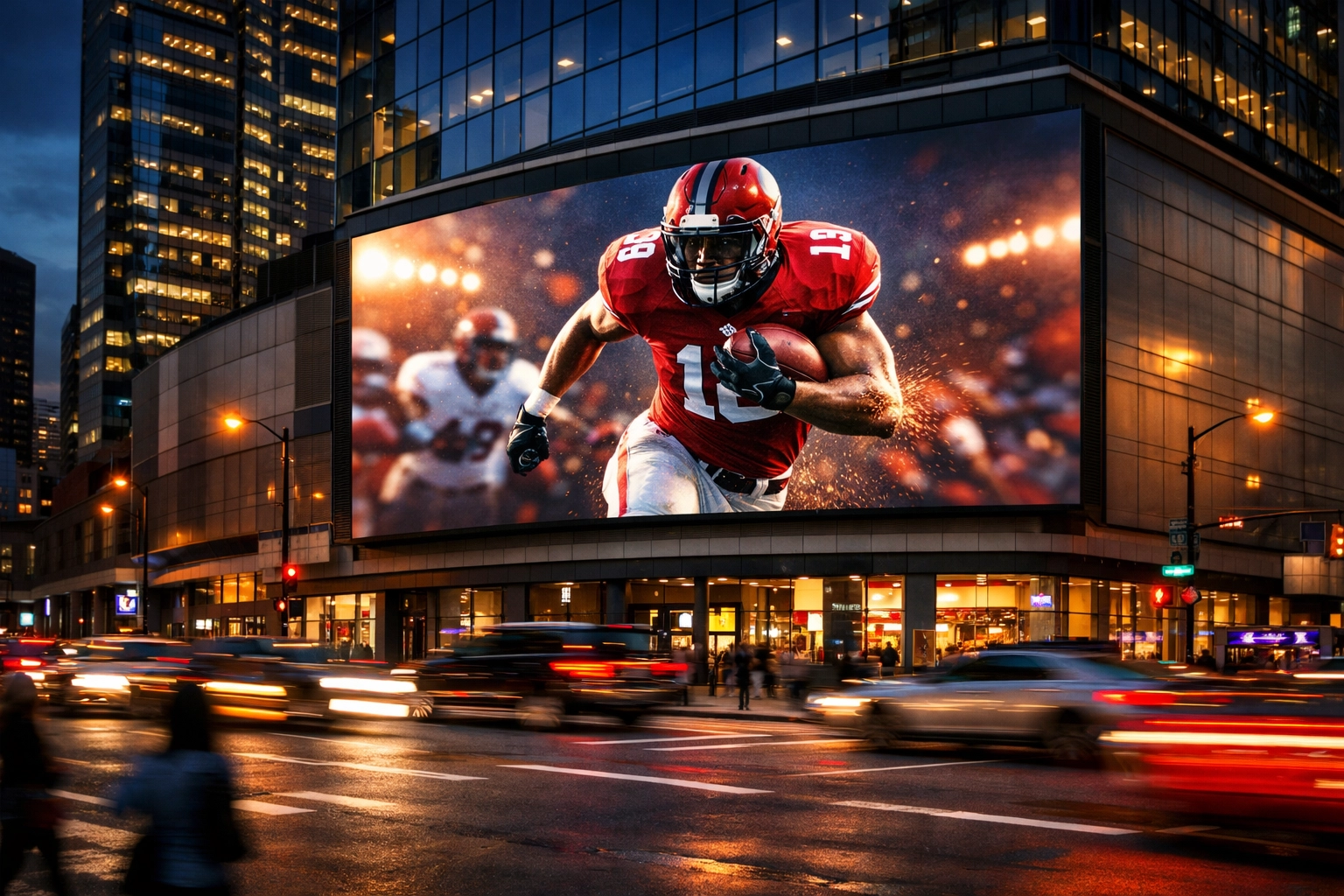
- Amplification: Using programmatic Digital Out-of-Home (DOOH) to mirror the social media content in physical spaces like gyms, sports bars, and transit hubs.
The integration of NIL content with out-of-home media creates an omnichannel experience. When a consumer sees an athlete on their phone and then sees that same athlete on a digital billboard at a local sports complex, the brand message is reinforced through multiple touchpoints.
Timing and Social Media Engagement
Industry data indicates that approximately 60 percent of Super Bowl social media engagement occurs before and after the game rather than during the actual broadcast. This represents a significant opportunity for brands to own the conversation when the noise level is slightly lower and the audience is more receptive.
NIL athletes excel in this "pre-game" and "post-game" window. They can share their preparation routines, their viewing parties, or their reactions to game highlights. This sustained engagement ensures that the brand remains top-of-mind for a longer duration compared to a one-time television ad.
Integrating Video Content
Video is the most effective medium for NIL storytelling. It allows the athlete’s personality to shine through and provides a dynamic way to showcase products in a real-world setting. Below is an example of how high-energy sports marketing and athlete integration can be visualized:
https://www.youtube.com/watch?v=l6J-0zileKE
This type of dynamic content is what drives performance in 2026. By encouraging athletes to create short-form video content, brands can tap into the algorithms of platforms like TikTok and Instagram Reels, further extending the reach of the campaign.
Technology Partners and Measurement
Success in a Super Bowl NIL campaign is measured by data, not just impressions. Media buyers utilize sophisticated tracking to understand the impact of their spend. Key metrics include:
- Sentiment Analysis: Monitoring the tone of the conversation surrounding the brand.
- Conversion Tracking: Using unique links or promo codes assigned to individual athletes to track direct sales.
- Brand Lift Studies: Measuring changes in brand awareness and purchase consideration.
Previous campaigns in the advertising sector have shown that programmatic DOOH can drive significant results. For example, some campaigns have seen a 74 percent lift in purchase consideration, while others have achieved over 100 percent increases in brand image metrics through strategic placement and athlete alignment. Detailed insights into these types of results can be found in various case studies provided by the platform.
The Role of Programmatic DOOH in NIL
While social media is the primary home for NIL, programmatic DOOH serves as the physical anchor. By using the same creative assets across digital screens in high-traffic areas, the campaign gains a sense of scale and permanence.
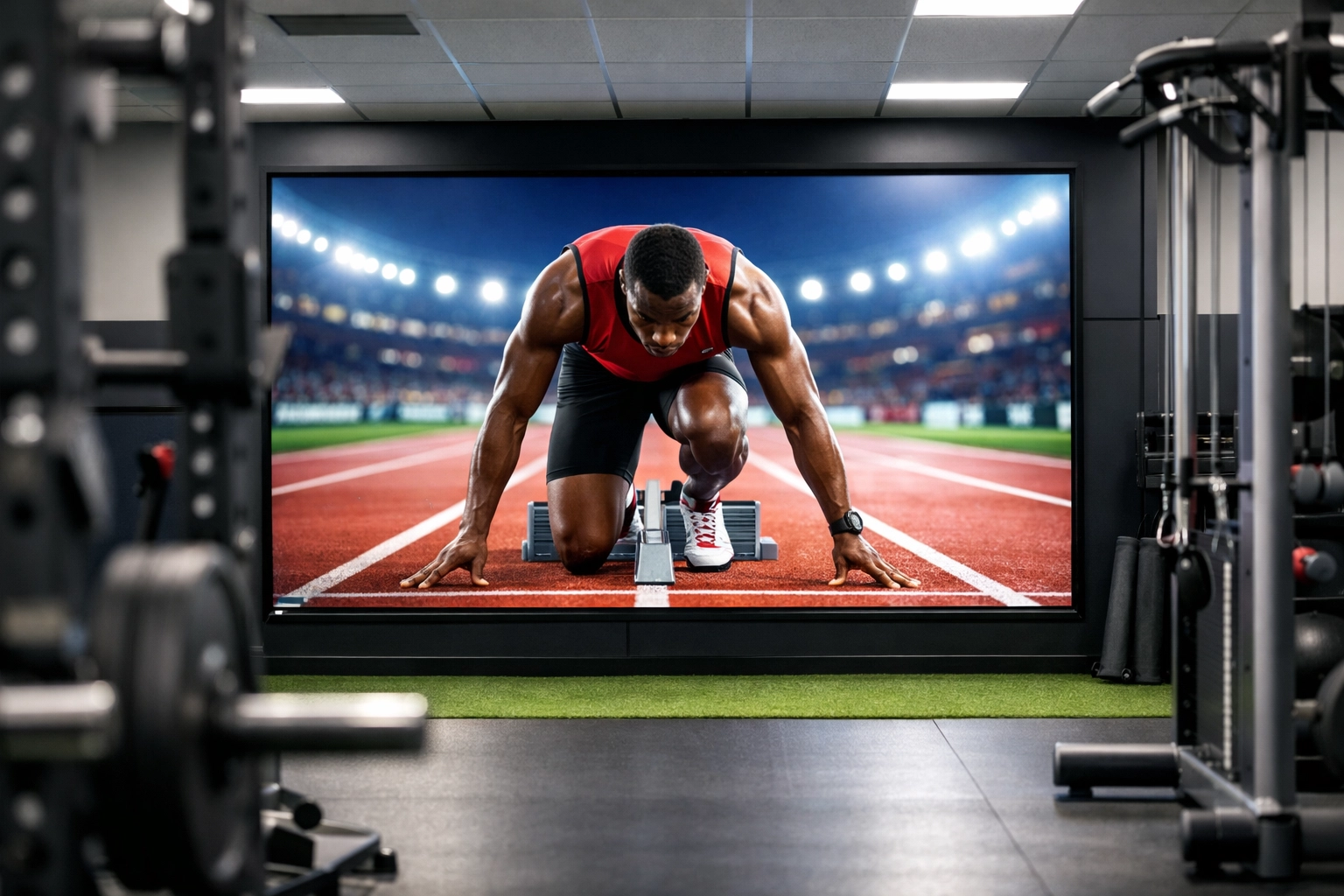
The Sportrons network, for instance, allows for advertisements to be placed directly in athletic environments. This ensures that the message is being seen by active, health-conscious consumers who are likely to follow student-athletes. This synergy between the digital and physical worlds is what separates a standard influencer campaign from a comprehensive Super Bowl strategy.
Planning for Super Bowl LX
For media buyers, the time to begin planning for the 2026 Super Bowl is now. Securing the top 20,000 athlete voices requires early coordination and a clear understanding of the marketing objectives.
The process begins with an assessment of the brand’s goals. Is the aim to drive immediate sales, or is it to build long-term brand equity? Once the goal is established, the platform can curate a list of athletes who are best suited to achieve those results.
The logistical challenge of managing 20,000 contracts is handled entirely by the platform, allowing media buyers to focus on the high-level strategy and creative direction. This level of automation and scale is what makes the OOH Sports approach the ultimate guide for NIL success.
Compliance and Safety
Navigating the legal landscape of NIL is critical. Each state has different regulations regarding how student-athletes can be compensated and what types of brands they can represent. The OOH Sports platform ensures that all campaigns are fully compliant with current laws and NCAA guidelines. This protects both the brand and the athlete, ensuring a smooth and risk-free partnership. Media buyers can review the terms of service and company policies to understand the framework of these protections.
Conclusion on Market Impact
The 2026 Super Bowl will be remembered as the year that NIL moved from a niche tactic to a core component of the media mix. By connecting with 20,000 authentic voices, brands can bypass the traditional gatekeepers of advertising and speak directly to their audience. The result is a more engaged consumer, a more effective use of budget, and a more memorable brand presence during the biggest sporting event of the year.
For organizations looking to explore these opportunities, further information is available on the about page, and direct inquiries can be made through the contact section. Stay updated on the latest trends in the industry by following the blog for more insights on the intersection of sports and advertising.