
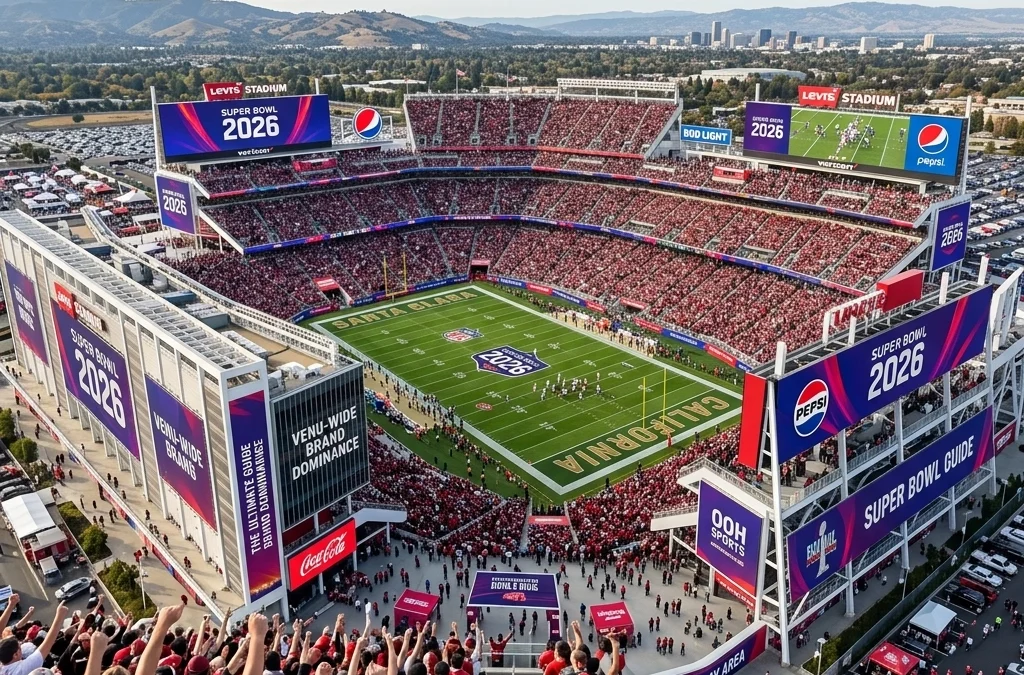
Super Bowl LX in Santa Clara was a landmark event that redefined how brands interact with fans. Held on February 8, 2026, at Levi's Stadium, the game between the Seattle Seahawks and the New England Patriots provided a massive stage for marketing innovation. As the dust settles in April 2026, it is clear that the brands that dominated the venue did not just buy ad space. They created an ecosystem of visibility that spanned from the parking lot floors to the towering digital billboards.
This guide breaks down the strategies used for venue-wide brand dominance during the 2026 Super Bowl, drawing on 40 years of advertising leadership and the latest in programmatic technology.
The Foundation of 40 Years in Advertising Leadership
Success at a major event like the Super Bowl is not built overnight. It requires an understanding of fan movement, psychological triggers, and the physical layout of the host city. OOH Sports utilized four decades of experience to map out every possible touchpoint within the San Francisco Bay Area.
The strategy focused on "The Last Mile" of the fan journey. While television commercials reach millions of viewers at home, out-of-home (OOH) advertising captures the attention of the high value attendees who are physically present at the venue. For Super Bowl LX, this meant saturating Levi's Stadium and the surrounding Moscone Center where the Super Bowl Experience took place.
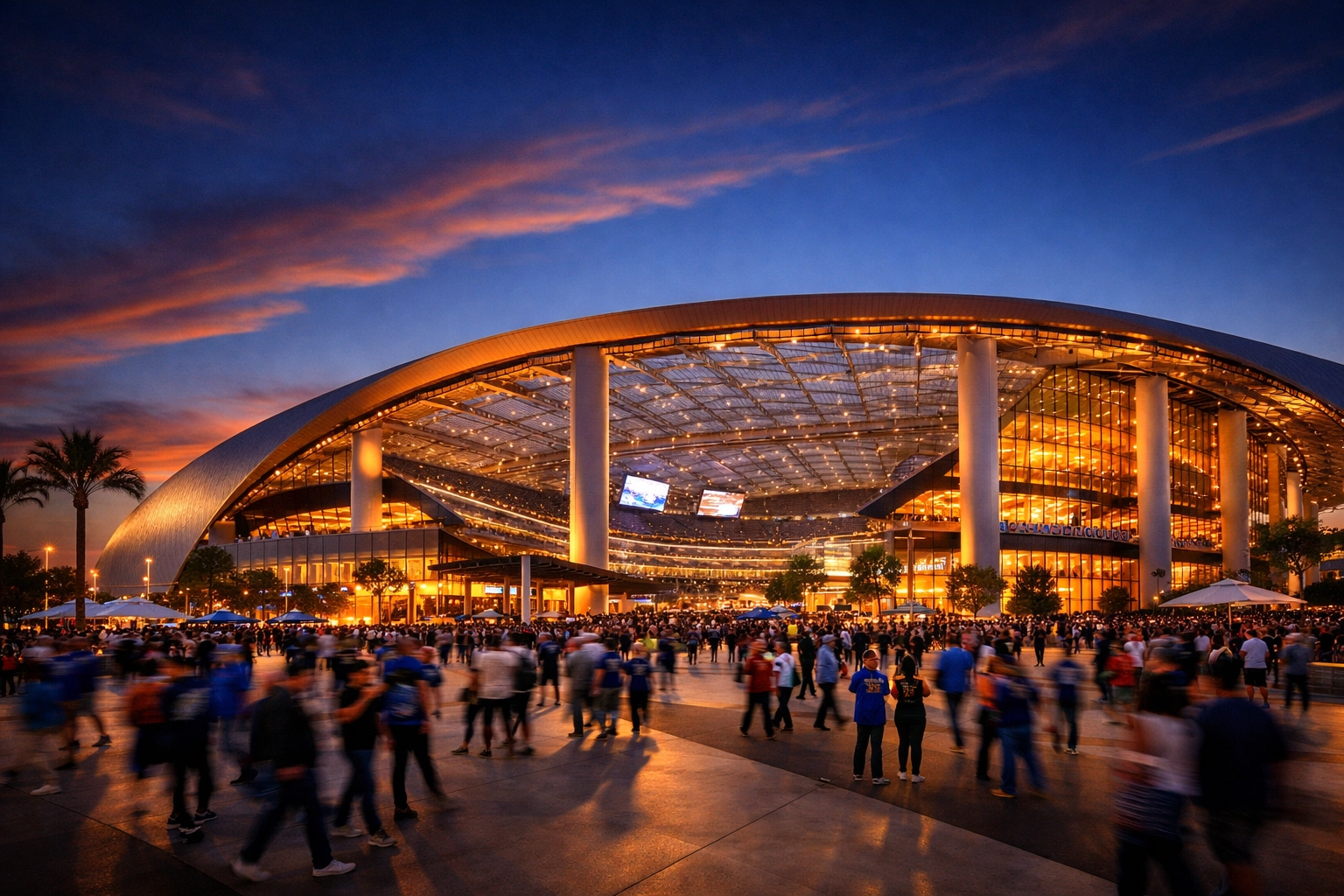
Venue-Wide Coverage: From Floors to Billboards
The 2026 strategy moved beyond traditional static signage. Dominance was achieved through a multi-layered approach that utilized every available surface.
Floor Graphics and Wayfinding
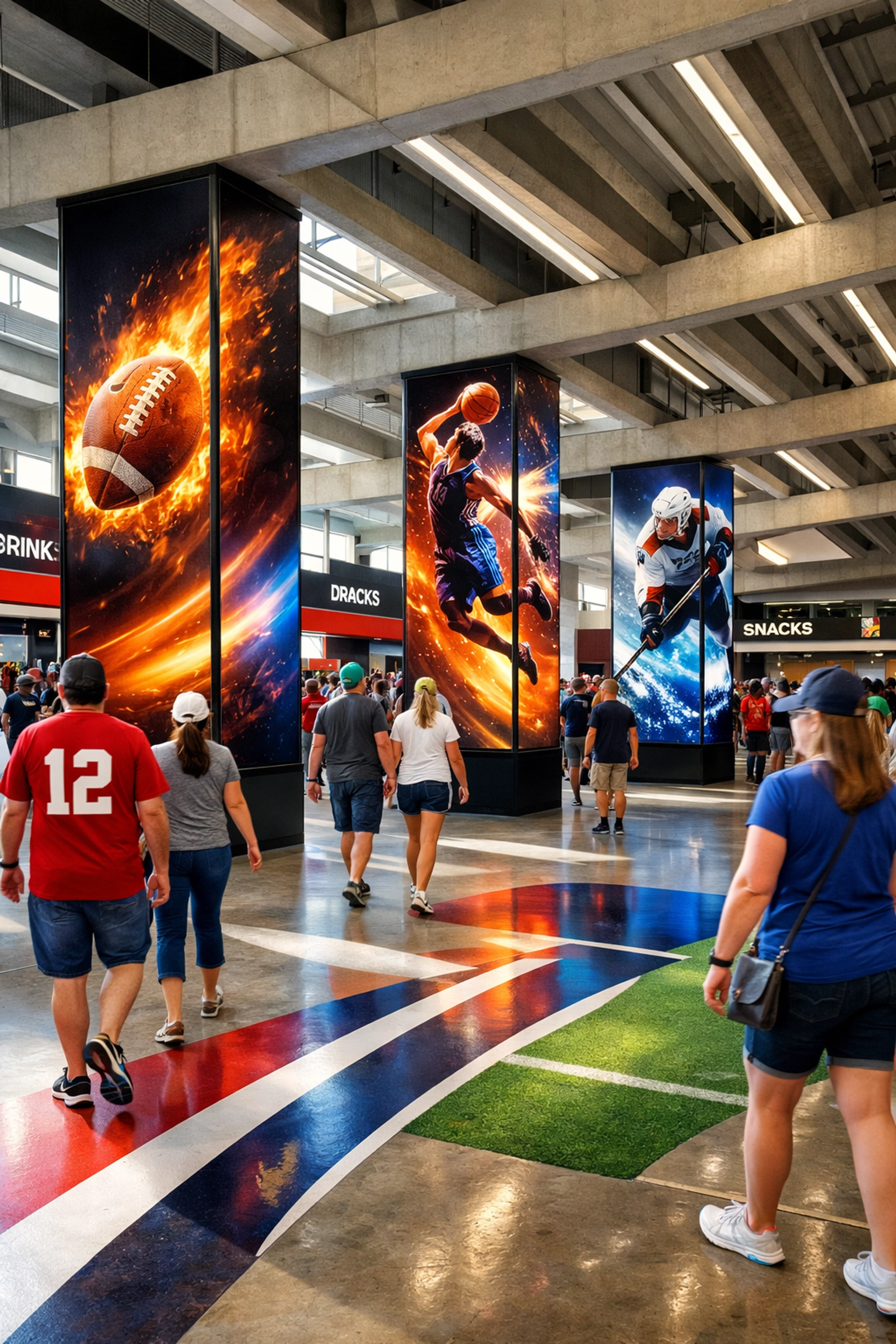
One of the most effective yet overlooked tactics was the use of floor graphics. These advertisements were placed strategically at entry gates, concession lines, and transit hubs. Because fans naturally look down while walking or checking their phones, floor graphics offer a high dwell time. This approach ensured that a brand was the first thing a fan saw when stepping off the train and the last thing they saw before entering their seating section.
Digital Pillars and Perimeter Targeting
Inside the stadium, digital pillars provided real-time updates and interactive content. By using geographically targeted DOOH strategies, brands were able to boost fan engagement by 90 percent. This level of precision allowed marketers to change their messaging based on the current state of the game or the specific crowd density in certain areas of the stadium.
For a deeper look at how real-time strategies impact fan engagement, see the report on geographically targeted DOOH strategies.
Strategy: The Power of Programmatic DOOH
The 2026 Super Bowl saw a massive shift toward programmatic digital out-of-home (pDOOH). This technology allowed brands to buy and display ads in real-time, responding to the energy of the crowd and the events on the field.
https://www.youtube.com/watch?v=l6J-0zileKE
When Bad Bunny took the stage for the halftime show, programmatic ads synchronized with the performance. Brands were able to trigger specific creative assets the moment the performance began, creating a seamless link between the entertainment and the advertising. This was not possible with traditional static billboards.
The benefits of pDOOH over traditional stadium ads are well documented. Studies have shown that pDOOH delivers a much higher return on investment (ROI) for sports marketing because it eliminates wasted impressions. Brands only pay for the moments that matter. You can compare the two methods in this analysis of programmatic DOOH vs traditional stadium ads.
Objective and Strategy: Leveraging Ambush Marketing
Not every brand that dominated the 2026 Super Bowl was an official sponsor. Some of the most successful campaigns used a strategy known as ambush marketing. By blanketing the area around Levi's Stadium with digital screens, brands were able to create the "illusion" of sponsorship.
This tactic was previously perfected by major sports brands in other events. For example, during the NYC Marathon, Nike was not an official sponsor, yet they achieved massive brand recognition through clever OOH placement. The same logic was applied to the 2026 Super Bowl. Brands that focused on the surrounding transit routes and fan zones often saw similar levels of engagement as official stadium partners at a fraction of the cost.
Learn more about this approach in the case study on how Nike dominated the NYC Marathon without being an official sponsor.
Results: Quantifying Brand Lift
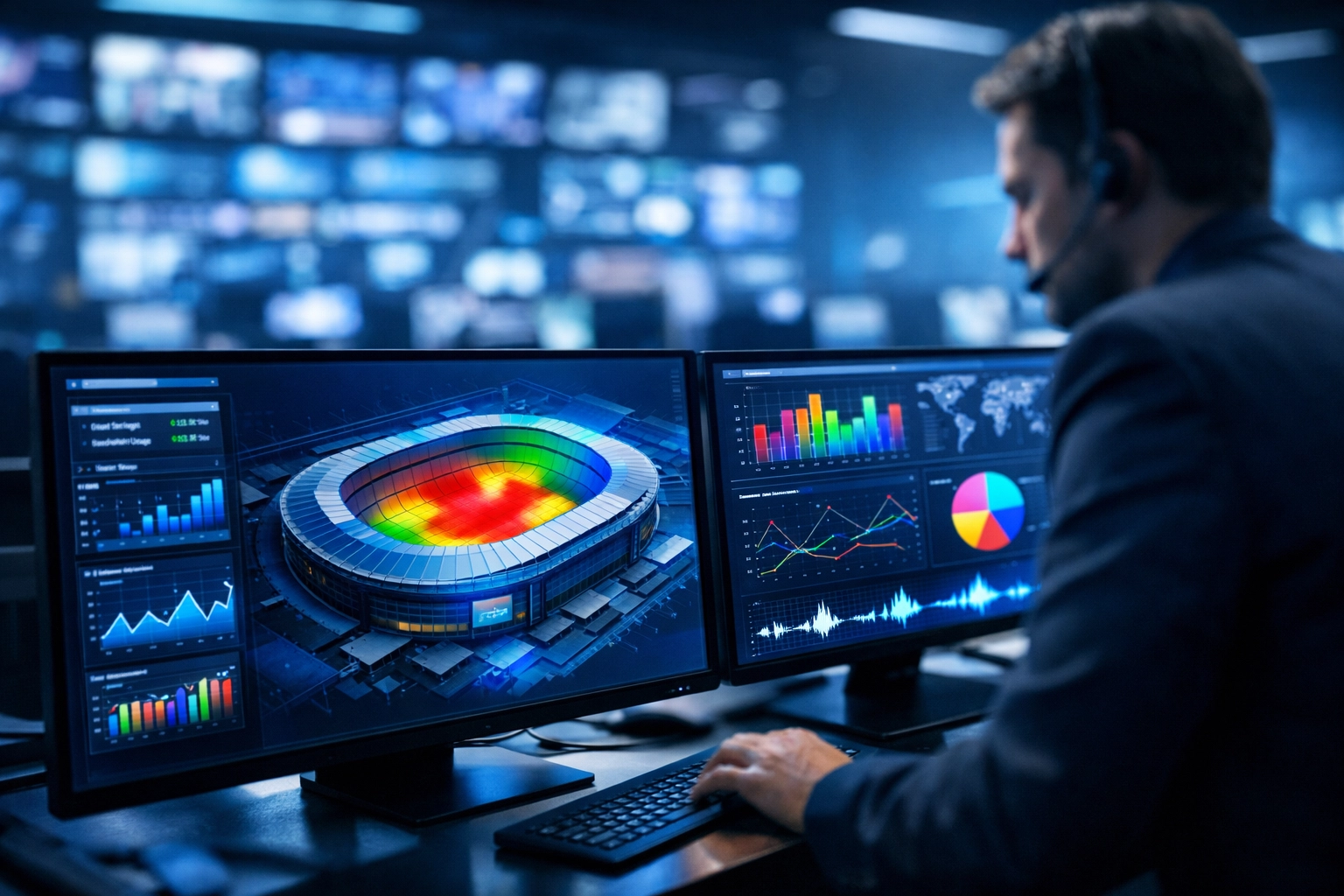
The success of the Super Bowl 2026 campaigns was measured using advanced AI powered analytics and device ID tracking. This allowed OOH Sports to see exactly how many fans were exposed to an ad and whether those fans later engaged with the brand online or in person.
Recent data from similar high profile campaigns suggests that these methods produce significant results:
- Brand Preference: Campaigns utilizing programmatic DOOH have seen up to a 119 percent lift in positive brand image, as seen with AB InBev’s Mike’s Hard Iced Tea.
- Purchase Consideration: Brands like White Claw have driven a 74 percent lift in purchase consideration by using programmatic campaigns for new product launches.
- Fan Engagement: Real-time triggers and sports betting ads have seen conversion rates increase when ads are deployed in under 24 hours of a major event.
Technology Partners and Execution
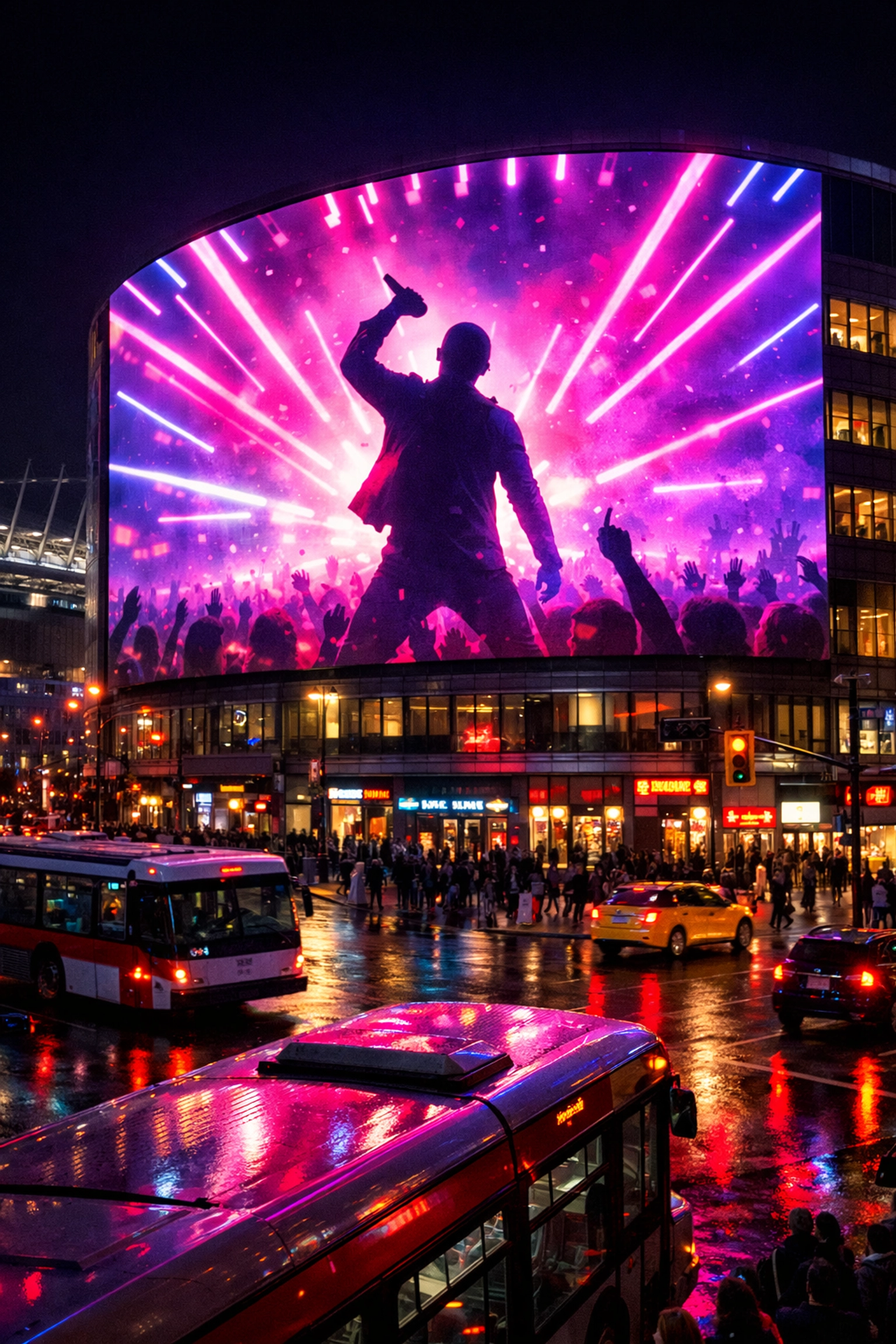
The execution of a venue-wide takeover requires a robust network of technology partners. OOH Sports utilized the StackAdapt DSP to drive adoption of programmatic DOOH in omnichannel campaigns. This allowed for a unified message across mobile devices and the massive digital screens found throughout Santa Clara.
By integrating AI powered DOOH measurement, marketers were able to stop guessing and start proving success. The ability to track "exposed" device IDs and retarget those individuals after the game is what turns a one day event into a long term customer acquisition strategy. For more on the tools used to measure these results, read about AI powered DOOH analytics.
Lessons for Future Events: Looking Toward 2027
As the sports advertising world looks toward SoFi Stadium in Los Angeles for the 2027 Super Bowl, the lessons from 2026 are clear. Venue-wide dominance is no longer just about the biggest billboard. It is about the smartest billboard.
Key takeaways from the 2026 Santa Clara experience include:
- Start Early: Planning for the 2027 Super Bowl should begin immediately.
- Think Small and Large: Use floor graphics for intimate dwell time and massive billboards for reach.
- Go Programmatic: The flexibility to change creative in real-time is a non negotiable requirement in the modern sports landscape.
- Measure Everything: Use AI to prove the ROI of your spend and inform your future budgets.
The sports DOOH market is expected to hit 50 billion dollars by 2030. Brands that master the art of venue dominance today will be the ones leading the industry in the years to come. To see how you can capture your share of this growth, explore these 7 strategies for sports advertising.
Conclusion
Super Bowl LX was a masterclass in modern advertising. By combining 40 years of expertise with cutting edge technology, OOH Sports demonstrated that brand dominance is achieved through a mix of physical presence and digital intelligence. From the floors of the Moscone Center to the digital screens of Levi's Stadium, the strategy was simple: be everywhere the fans are.
As we move forward into the rest of 2026 and prepare for the 2027 season, the blueprint for success remains the same. Focus on the fan, use the best technology available, and never underestimate the power of a well placed sign in the right place at the right time. For a full list of our recent insights and campaign results, you can visit our sitemap.