
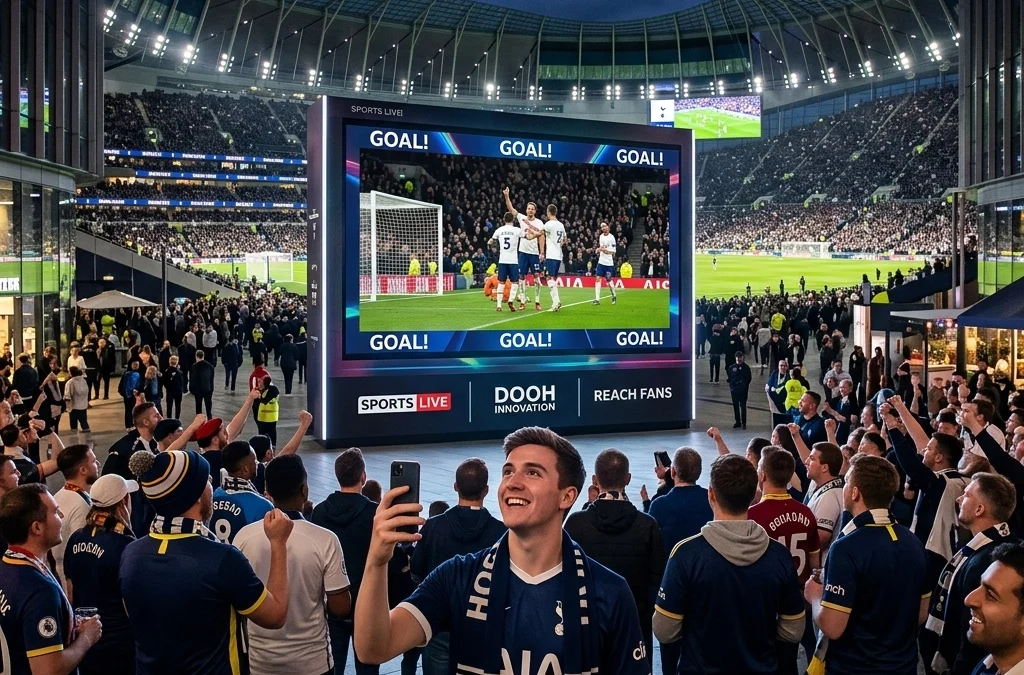
Sports fans are not like typical consumers. They are driven by emotion, loyalty, and a shared sense of community. Reaching this audience requires more than just a standard advertisement. It requires a strategy that meets them where they are, in the moments that matter most. For decades, sports marketing relied on massive stadium billboards and expensive television spots. While those methods still hold weight, the rise of Digital Out-of-Home (DOOH) innovation is completely rewriting the playbook.
The shift from static posters to dynamic, data driven screens is not just a technological upgrade. It is a fundamental change in how brands can interact with fans throughout their entire journey. From the morning commute to the post game celebration at a local bar, DOOH provides a continuous thread of engagement that traditional media simply cannot match.
The Evolution of Fan Engagement
In the past, out-of-home advertising was largely static. A brand would buy a billboard and it would stay there for weeks, regardless of what was happening in the world of sports. If a team lost a heartbreaking game, the "Congratulations" ad was stuck there, looking out of place. If a star player was traded, the creative became instantly outdated.
Innovation in DOOH has solved this problem. Modern screens are connected, intelligent, and capable of changing in an instant. This allows media buyers to move away from rigid schedules and toward flexible, event based triggers. Brands are no longer just shouting at a crowd. They are participating in the conversation.

Real-Time Data and Dynamic Creative
One of the most significant innovations in the space is Dynamic Creative Optimization (DCO). This technology allows advertisements to update automatically based on external data feeds. In the context of sports, this is a game changer.
Imagine a digital screen in a busy transit hub. Instead of a generic brand message, the screen displays the live score of a local rivalry game. As the score changes, the creative updates. If the home team wins, the ad immediately shifts to a celebratory message with a limited time offer. This level of relevance creates a powerful connection with the viewer.
This real-time responsiveness is particularly effective for sports betting brands. They can use DOOH to stream live odds directly to screens in sports bars or near stadiums. This provides immediate utility to the fan and encourages action in the moment. Learn more about how to launch real-time sports betting DOOH campaigns that convert quickly.
Extending Reach Beyond the Arena
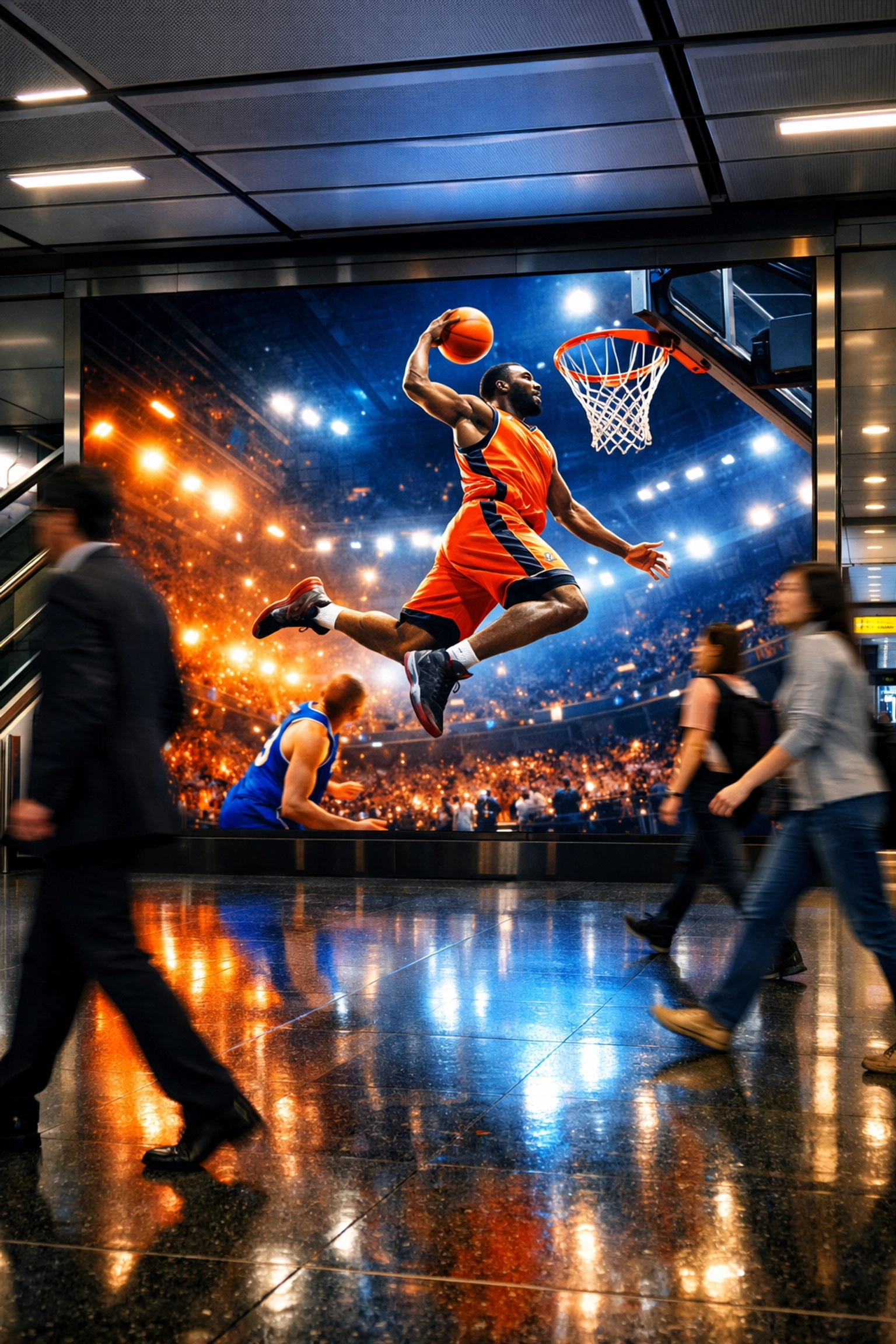
While the stadium is the heart of the action, the fan experience happens everywhere. Innovation in DOOH allows brands to reach fans in everyday spaces where they are most receptive. This includes:
- Transit Hubs: Reaching fans as they travel to and from the venue.
- Sports Bars and Restaurants: Engaging with the "second city" crowd who watches the game away from the stadium.
- Residential Elevators and Office Buildings: Keeping the game top of mind during the work week.
- Gyms and Retail Centers: Connecting with active lifestyles that align with sports brands.
By placing ads in these high traffic areas, brands can maintain visibility throughout the day. This "omnipresence" ensures that the brand is part of the fan's daily routine, not just a fleeting thought during a commercial break. This strategy is often more effective than traditional stadium ads alone. You can compare the ROI of programmatic DOOH versus traditional stadium ads to see why this shift is happening.
The Programmatic Advantage
The introduction of programmatic buying to the out-of-home world has stripped away the barriers to entry. In the past, buying OOH was a manual, time consuming process involving phone calls and spreadsheets. Today, media buyers can use Demand Side Platforms (DSPs) to buy inventory in real time, much like they do with online display ads.
Programmatic DOOH offers several key benefits for sports marketers:
- Flexibility: Campaigns can be turned on or off instantly based on performance or team news.
- Targeting: Brands can use weather triggers, time of day, or location data to ensure their message hits the right person at the right time.
- Efficiency: It reduces the overhead of campaign management and allows for more precise budget allocation.
- Ambush Marketing: Brands that are not official sponsors can still dominate the conversation by targeting the areas surrounding a major event. For instance, see how Nike managed a major presence at the NYC Marathon without being an official sponsor.
Strengthening the Omnichannel Mix
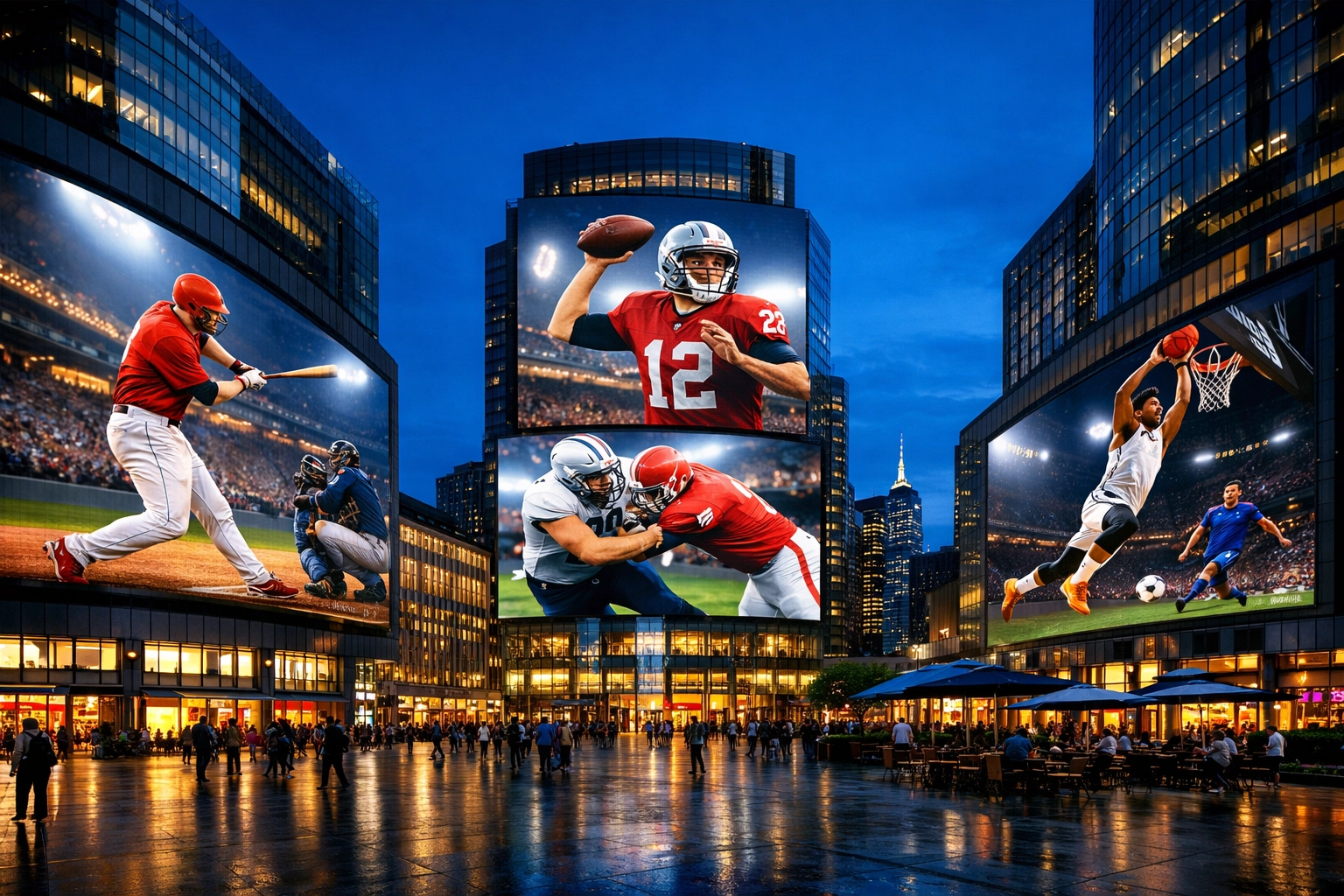
DOOH innovation does not exist in a vacuum. It works best when integrated into a larger omnichannel strategy. Research shows a "priming effect" when fans see a brand on television and then encounter that same brand on a digital screen in the physical world. This reinforcement makes every other marketing dollar work harder.
By using mobile device IDs, brands can even retarget fans who were exposed to a DOOH screen. If a fan walks past a digital billboard for a new jersey launch, they can later receive a targeted ad on their social media feed or mobile browser. This creates a seamless loop from physical awareness to digital conversion.
Many media planners are recognizing this value and are shifting their budgets accordingly. The trend is clear. A large percentage of media planners are moving away from traditional formats toward these more innovative digital options.
Proven Results in the Field
The success of DOOH innovation is not just theoretical. Data from recent campaigns shows significant lifts across all key performance indicators. When brands use programmatic DOOH to reach sports fans, the results are often measurable and substantial.
For example, White Claw used a programmatic DOOH campaign to launch a new vodka product. By targeting relevant locations and using dynamic triggers, the brand saw a 74% lift in purchase consideration. You can read the full breakdown of the White Claw DOOH campaign here.
Similarly, AB InBev utilized these strategies for Mike’s Hard Iced Tea. By leveraging the flexibility of digital screens, they achieved a 119% lift in positive brand image. These figures prove that when ads are relevant and well placed, fans respond positively. Details on the AB InBev case study highlight the power of this approach.
Even brands in the outdoor recreation space, like Sea-Doo, have seen success. Their first digital OOH campaign resulted in a 144% increase in purchase consideration by meeting fans in environments that aligned with their brand identity. More on the Sea-Doo campaign shows the versatility of the medium.
Accuracy in Measurement
One of the biggest criticisms of traditional out-of-home advertising was the lack of reliable data. For a long time, "estimated impressions" was the best a brand could hope for. Innovation has changed that.
Modern DOOH uses AI powered analytics and anonymous sensor data to provide a clear picture of who saw an ad and how they reacted. Marketers can now track:
- Foot Traffic: How many people visited a store after seeing an ad.
- Brand Lift: Changes in brand perception through mobile surveys.
- Online Conversion: Linking physical ad exposure to website visits.
This level of insight allows brand managers to stop guessing and start optimizing. It is about moving beyond guesswork and using real data to prove campaign success.
The Future of the Fan Experience
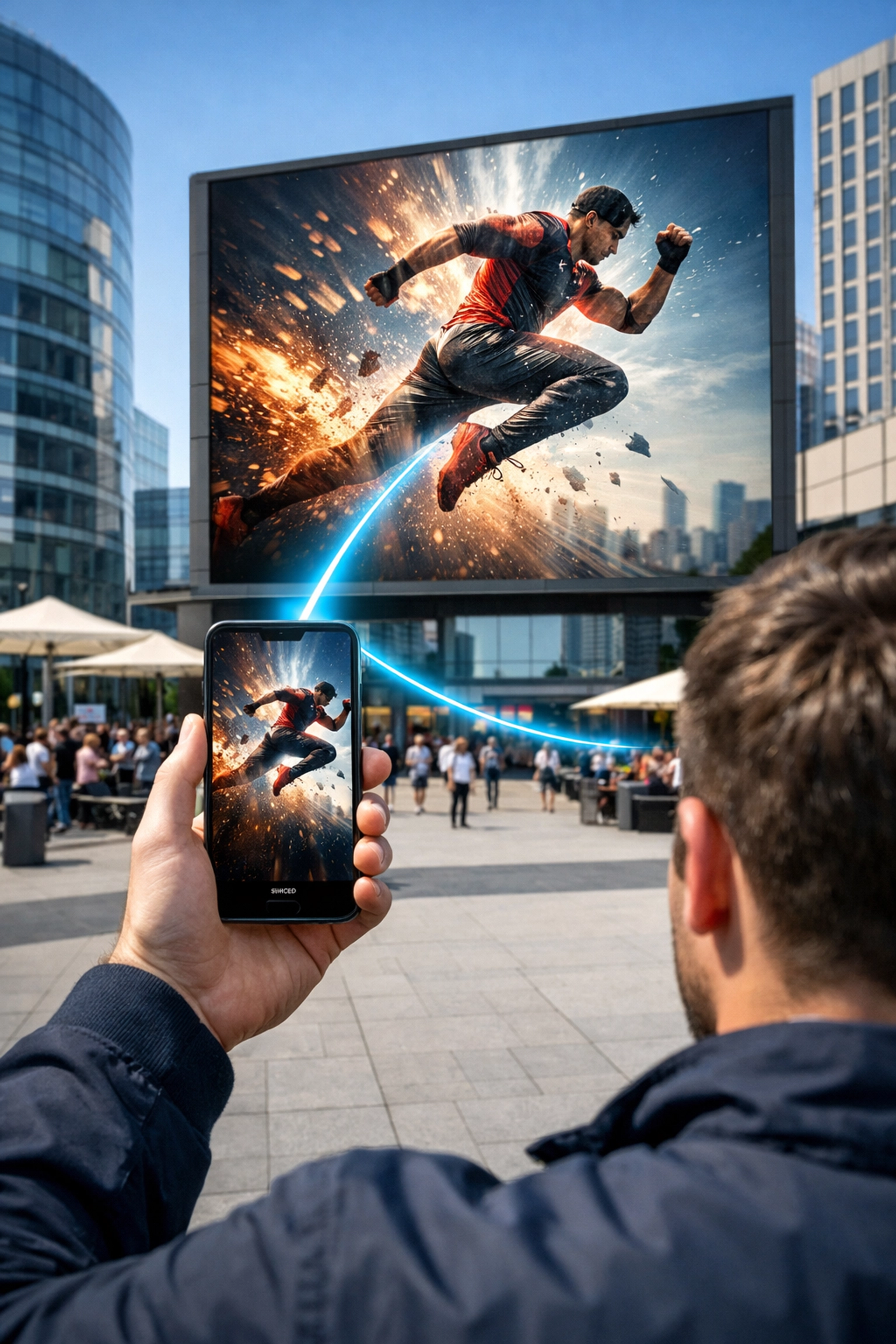
As technology continues to advance, the line between the game and the advertisement will continue to blur. We are moving toward a future where screens are not just surfaces for images, but portals for interaction. Augmented reality (AR) integrations, QR code driven fan contests, and hyper local content will become the standard.
For media buyers and brand managers, the message is simple. The fans are already living in a digital, real-time world. It is time for sports marketing to do the same. Innovation in DOOH is not just a trend. It is the new foundation for reaching the most passionate audience in the world.
By focusing on real-time relevance, physical reach, and data driven measurement, brands can ensure they are not just watching the game from the sidelines. They are part of the action, every step of the way. Explore more strategies for DOOH sports advertising to stay ahead of the curve.