
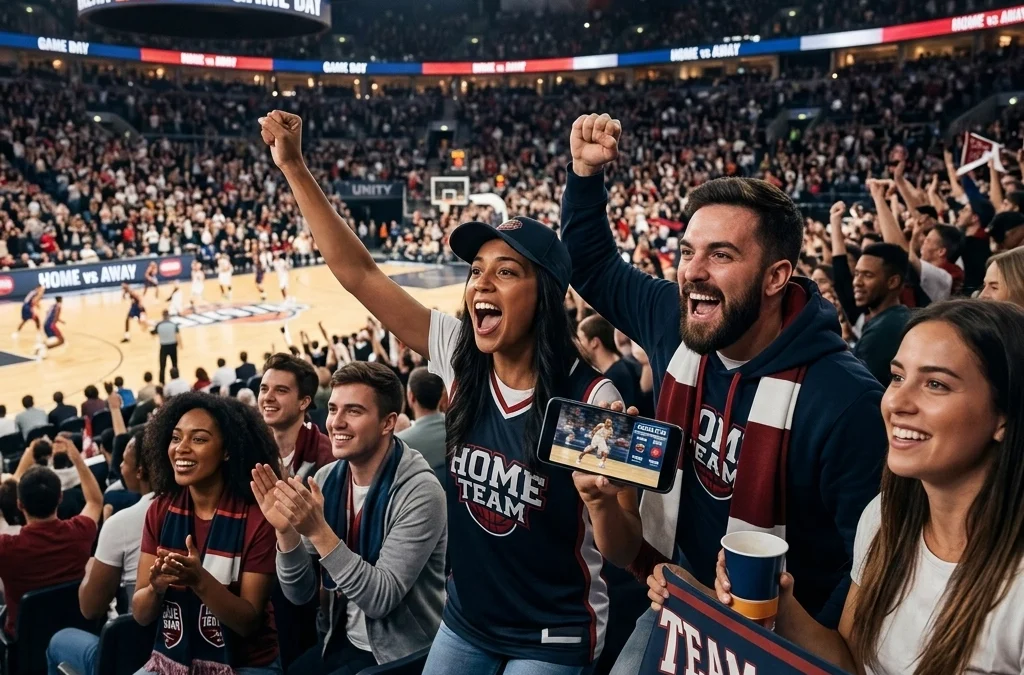
In the competitive world of sports marketing, capturing the attention of a distracted audience is harder than ever. Brands invest millions into sponsorships and digital campaigns, yet many find that their message fails to resonate with the core audience. The gap between a brand and a fan often stems from a lack of strategic alignment and a failure to utilize high impact channels like stadium perimeter advertising.
When a fan engagement strategy fails to land, it is rarely due to a lack of effort. More often, it is a result of structural flaws in the approach. For Creative Directors and CMOs, understanding these pitfalls is the first step toward building a more resilient brand presence.
1. The Reliance on Generic Messaging
One of the most common reasons fan engagement stalls is the use of one size fits all messaging. In an era of hyper personalization, fans expect content that reflects their specific interests, loyalty levels, and geographic locations. A generic "Hey Fans" email or a standard social media post often feels like noise.
To fix this, marketing leaders must shift toward segmentation. This involves building core segments such as season ticket holders, casual viewers, and international fans. By tailoring creative assets to these groups, brands can increase relevance. High impact channels like programmatic digital out of home (DOOH) allow brands to deliver localized, contextually relevant content that speaks directly to the audience in the moment.
2. Scattered Fan Data
Data is the backbone of any modern marketing strategy. However, many sports brands suffer from data silos where ticketing information, CRM records, and social media engagement live in separate systems. This fragmentation makes it impossible to see a coherent picture of the fan journey.
The solution is the implementation of a unified fan profile. By centralizing data, brands can design specific data capture moments such as in stadium contests or loyalty programs. This creates a feedback loop where fan behavior informs the creative strategy. For more insights on how to avoid measurement errors, it is helpful to review 7 mistakes you're making with sports DOOH measurement.

3. Treating Fans as Eyeballs Instead of Stakeholders
Fans are not just passive consumers of content, they are stakeholders in the success of the team or property. When brands treat fans solely as revenue targets, the relationship becomes transactional rather than emotional. This can lead to decreased loyalty and a lack of long term engagement.
To fix this, brands should involve fans in visible decisions. This could include voting on kit designs or matchday music. In the stadium environment, perimeter advertising can be used to acknowledge fan contributions or highlight community stories. Shifting from a brand centric to a fan centric approach often delivers a higher return on investment. This concept is explored further in the analysis of fan centric vs brand centric sports campaigns.
4. Contributing to Content Noise
The average sports fan is bombarded with notifications and advertisements. If a brand is simply adding to this noise without offering value, the message will be ignored. Generic and repetitive promotional content is a quick way to lose an audience.
Creative Directors should focus on "signal" rather than "volume." This means producing fewer, higher quality pieces of content that provide behind the scenes access or unique tactical breakdowns. Stadium perimeter advertising provides a unique opportunity to cut through the digital noise by placing a brand message in a high emotion, low distraction environment where the fan's focus is already fixed.
5. Robotic and Tone Deaf Automation
Automation is essential for scale, but it can backfire if it feels robotic. Fans can easily spot an automated response that lacks context or empathy. For example, sending a celebratory sales push immediately after a devastating loss can alienate the fan base and damage brand reputation.
The fix is to add context rules to automation sequences. Marketing teams should audit their automated journeys to ensure the tone matches the current sentiment of the fans. Using real time data to adjust messaging on digital screens around a stadium ensures that the brand remains in sync with the live atmosphere of the game.
6. A Purely Reactive Strategy
Many teams operate in a reactive mode, responding to social media trends or running game day promos only when prompted. While being responsive is important, a lack of proactive relationship building prevents long term loyalty.
A successful strategy requires defining fan lifecycle journeys. This includes mapping out touches for new fans, first time buyers, and lapsed members. Proactive engagement might include preview content or post game breakdowns that keep the conversation going long after the final whistle. By utilizing geographically targeted DOOH, brands can maintain a proactive presence in key markets throughout the season.

7. Fragmented Communication Channels
When a brand's email marketing says one thing while its in stadium screens say another, the fan experience feels fragmented. This lack of consistency erodes trust and makes the brand appear unorganized.
Fixing this requires building cross channel journeys. A fan might see a promotion on social media, receive an offer via the team app, and then see a corresponding call to action on a stadium perimeter screen. Standardizing visuals and tone across all touchpoints ensures a seamless experience. Brands can look to 7 mistakes you're making with sports DOOH campaigns to learn how to better integrate their physical and digital assets.
8. Wasting High Impact Moments
Major events like rivalry matches, record breaking performances, or championship games create massive spikes in attention. Many brands fail because they are not prepared to capture and convert this attention into lasting data or engagement.
To fix this, teams should pre-plan "moment paths." These are pre-designed creative assets and engagement strategies ready to be deployed the second a major event occurs. Using real time DOOH capabilities, brands can launch relevant campaigns in under 24 hours to capitalize on the hype. For example, real time sports betting campaigns demonstrate how quickly a brand can move when it is properly prepared.
9. Slow Internal Processes
In the fast paced world of sports, timing is everything. If it takes a brand a week to approve a creative asset, the moment of relevance has likely passed. Slow internal processes often force marketing teams to default to generic content because they cannot turn around specialized assets fast enough.
Marketing leaders should invest in pre-built templates for common scenarios like wins, losses, or weather delays. Streamlining the approval process and utilizing agile platforms allows brands to react with the speed of the game. Digital stadium perimeter advertising is particularly effective here because it allows for near instant creative updates without the logistical hurdles of traditional signage.
10. Measuring the Wrong Metrics
If a brand only measures success through short term revenue or generic impressions, it may be missing the bigger picture of fan loyalty. Prioritizing hard sells over fan satisfaction can lead to long term erosion of the fan base.
The fix is to add fan centric KPIs to the dashboard. This includes measuring fan sentiment, participation rates in loyalty programs, and long term retention. Understanding the ROI of programmatic DOOH versus traditional ads can help CMOs justify a shift toward more engaging and measurable formats.
The Power of Stadium Perimeter Advertising
One of the most effective ways to address these ten challenges is through the strategic use of stadium perimeter advertising. Unlike many other forms of media, stadium screens provide a "can't miss" opportunity. When a brand's message is displayed on the perimeter during a high stakes moment, it becomes part of the fan's memory of that event.
OOH Sports provides the infrastructure for brands to execute these high impact campaigns with precision. By moving away from static, expensive sponsorships and toward flexible, data driven digital out of home strategies, brands can achieve better results with less waste. This approach allows for the agility needed to fix a failing engagement strategy and turn it into a winning one.

Strategic Execution and Results
To ensure a fan engagement strategy lands, brands must move toward a model of continuous improvement. This involves testing different creative executions, analyzing real time data, and remaining flexible enough to pivot when necessary. The brands that succeed are those that view fan engagement as a long term investment rather than a series of disconnected tactics.
By focusing on high impact visuals and localized targeting, brands can create a sense of presence that resonates far beyond the stadium walls. Whether it is through a programmatic campaign that increases purchase consideration or a real time update that captures a viral moment, the tools for success are available. It is simply a matter of moving away from the generic and embracing the dynamic potential of modern sports marketing.