
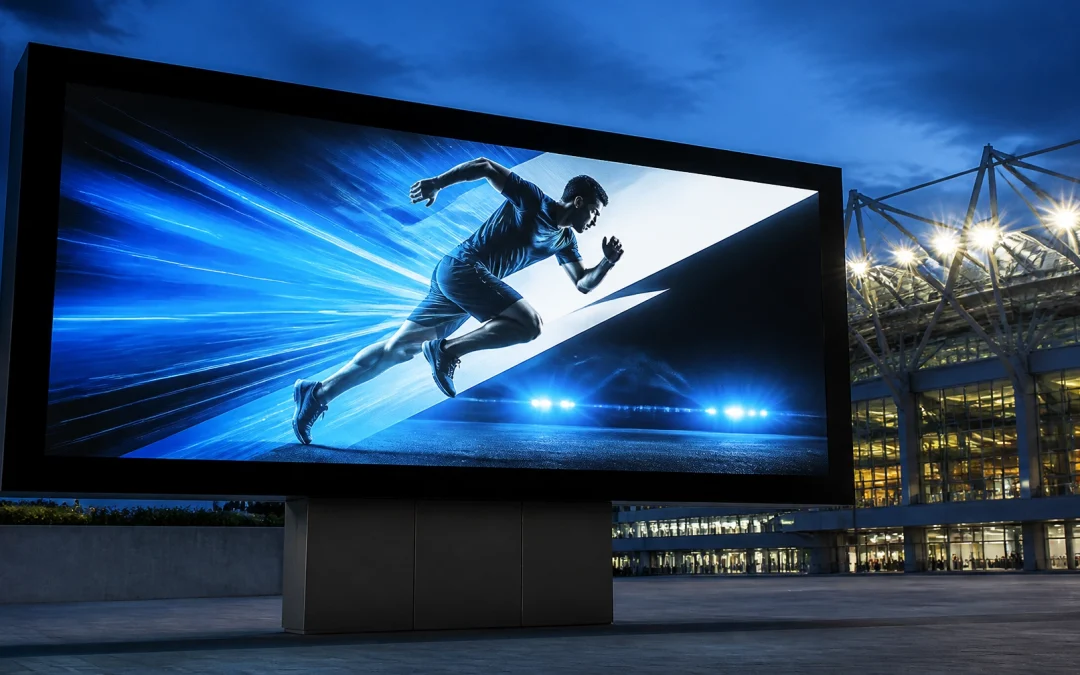
The landscape of sports advertising is undergoing a profound transformation. As traditional media consumption habits shift, digital out-of-home (DOOH) advertising has emerged as a cornerstone for brands seeking to connect with passionate audiences in high-impact environments. This evolution is not merely about moving static posters to digital screens. It represents a fundamental change in how brand stories are told, measured, and optimized in real time.
In the current market, DOOH is recognized as a core sports channel. Industry data indicates that the global DOOH market is on a trajectory to exceed twenty billion dollars in the near future, with sports-related inventory serving as a significant driver of this growth. For media planners and brand managers, understanding the intricacies of DOOH innovation is no longer optional. It is the key to capturing attention in an increasingly fragmented media world.
The Strategic Shift to Programmatic DOOH
One of the most significant innovations in recent years is the adoption of programmatic buying for out-of-home assets. This technology allows for the automated purchase of advertising space, similar to how digital display and social media ads are bought.
Programmatic DOOH offers several strategic advantages:
- Precision Targeting: Advertisers can select specific screens based on audience demographics, location, and even environmental triggers like weather or traffic.
- Flexibility and Speed: Campaigns can be launched or adjusted within hours rather than weeks. This is particularly valuable in the sports industry, where game outcomes and player performances can change the relevance of a message instantly.
- Always-On Optimization: Media buyers can utilize "always-on" strategies, maintaining a consistent brand presence while pulsing spend around high-value events.
The shift toward programmatic execution is reflected in budget allocations. Research suggests that sixty-seven percent of media planners are shifting their budgets toward these more flexible and data-driven options. This move away from rigid, long-term contracts allows brands to be more responsive to the dynamic nature of the sports calendar.
The 10-Mile Stadium Halo: Mapping the Fan Journey
Innovation in sports DOOH is not confined to the screens inside an arena. In fact, some of the most effective strategies involve the "stadium halo," the ten-mile radius surrounding a major sports venue. By mapping the fan journey, brands can sequence messages that guide a consumer from their initial travel through to the post-game celebration.

The journey-based approach typically follows a structured sequence:
- Pre-Game Awareness: Utilizing digital screens at airports, train stations, and highway gateways to greet fans as they arrive in the host city.
- The Approach: Targeting urban panels, rideshare toppers, and transit hubs that lead directly to the stadium.
- Point of Influence: Engaging fans in fan zones, bars, and restaurants within the immediate vicinity of the venue.
- Post-Game Engagement: Reaching fans as they exit the stadium and head toward transit hubs or nightlife districts.
This geographic precision ensures that brand messages are seen when the audience is at peak engagement. Furthermore, the ability to scale across twenty-five thousand digital screens allows brands to achieve a level of reach that was once reserved for multimillion-dollar stadium sponsorships. As some analysts have noted, traditional stadium sponsorships are being challenged by these more targeted and cost-effective digital alternatives.
Real-Time Creative Triggers and Dynamic Content
Modern DOOH technology allows creative assets to be much more than static images. Dynamic content optimization (DCO) enables advertisements to change automatically based on live data feeds. This capability is uniquely suited to the unpredictable nature of sports.
Successful campaigns often utilize the following triggers:
- Live Scores and Clocks: Ad creative that updates in real time to show current scores or countdowns to the final whistle.
- Betting Odds: In regulated markets, launching real-time sports betting campaigns that reflect live markets can significantly drive conversion among engaged fans.
- Environmental Factors: Adjusting messages based on local weather conditions or traffic delays, ensuring the content remains relevant to the viewer's immediate surroundings.

The use of anamorphic 3D technology is another area of rapid innovation. These "spectaculars" create an illusion of three-dimensional depth, making players or products appear as though they are physically emerging from the screen. These units serve as high-impact visual anchors that are frequently filmed and shared by fans on social media, providing additional organic reach beyond the physical location.

Cross-Channel Integration: The Mobile Bridge
DOOH does not exist in a vacuum. It is most effective when integrated into a broader omnichannel strategy. Innovation in this area focuses on using the digital screen as a "hook" to drive action on other devices.
Strategic integration tactics include:
- QR Code Deployment: Providing a direct link from the physical screen to mobile apps, ticket sales, or exclusive merchandise offers.
- Geofencing and Retargeting: Using anonymized mobile location data to identify consumers who were exposed to a DOOH ad, then retargeting them with relevant social media or display ads later that day.
- Social Amplification: Designing creative that encourages fans to interact or take photos, effectively bridging the gap between the physical world and digital social platforms.
By treating DOOH as a gateway to digital environments, brands can create a seamless experience that follows the fan from the street to their smartphone.
Measurement, ROI, and Data-Driven Success
Historically, out-of-home advertising was criticized for a lack of granular measurement. This is no longer the case. The integration of AI and advanced analytics has transformed DOOH into a highly measurable medium.
Key performance indicators now include:
- Footfall Attribution: Measuring the increase in physical visits to a retail location or stadium following exposure to a DOOH campaign.
- Brand Lift Studies: Assessing changes in brand awareness, sentiment, and purchase intent through exposed-versus-control group methodologies.
- App Conversion: Tracking installs and engagement for team apps or betting platforms directly linked to ad exposure.
Implementing these analytical tools is essential for proving the value of an investment. Using AI-powered analytics fixes common measurement mistakes and provides the economic proof needed to justify marketing spend. With the sports DOOH market expected to reach fifty billion dollars by the end of the decade, the ability to accurately measure ROI will be a critical competitive advantage.
Expanding Horizons: Women's Sports and Niche Properties
Innovation in sports advertising also involves identifying new audience segments and properties. One of the most significant trends is the explosive growth of women's sports.
Advertisers are increasingly focusing on:
- Women's Professional Leagues: Properties like the WNBA and NWSL are seeing record-breaking viewership and engagement.
- Global Tournaments: Major international soccer events provide a massive platform for DOOH campaigns that resonate with a diverse, global fan base.
- Values-Driven Marketing: Fans of women's sports are often highly engaged and appreciative of brands that support equity in athletics, leading to higher brand preference ratings.

Niche and emerging sports, including esports and professional racing, also offer unique opportunities for DOOH innovation. These environments allow brands to "over-show up" in less cluttered spaces, building deep connections with passionate, specialized communities.
Conclusion
The future of sports advertising is digital, dynamic, and data-driven. By leveraging programmatic buying, mapping the fan journey, and utilizing real-time creative triggers, brands can achieve unprecedented levels of impact and efficiency. As the industry continues to evolve, the integration of DOOH with mobile platforms and sophisticated measurement tools will define the next generation of successful sports marketing. Success requires a commitment to innovation and a strategic focus on delivering the right message, at the right time, in the right location.