
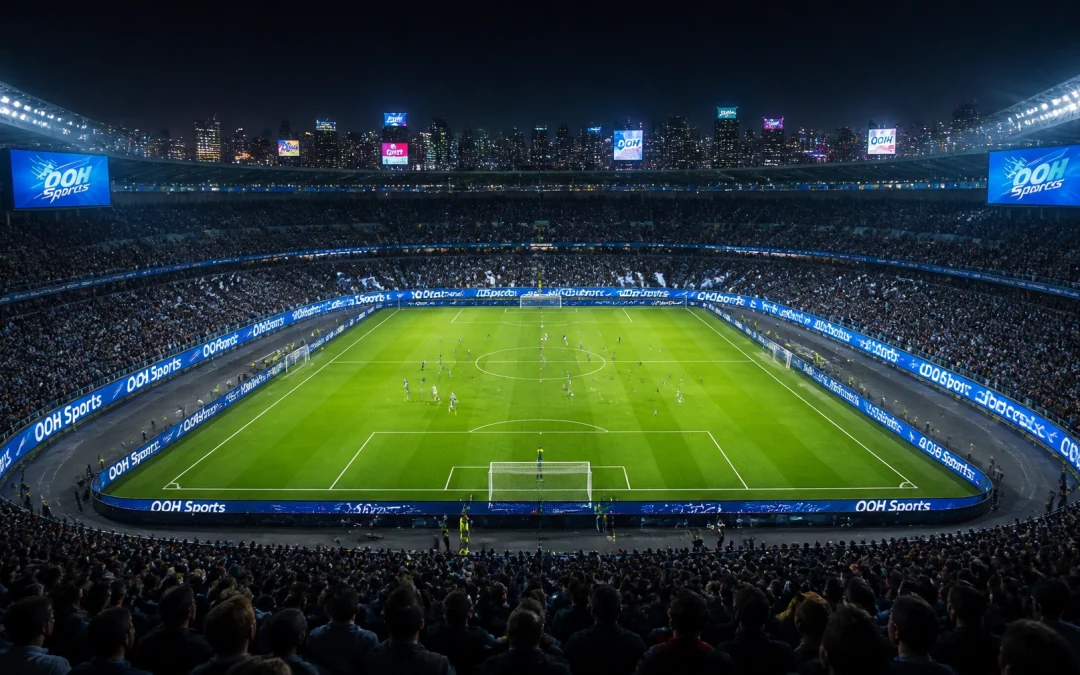
The landscape of sports marketing is undergoing a fundamental transformation. For decades, the sight of static banners and painted logos was a staple of the stadium experience. These traditional formats provided a sense of permanence, yet they often lacked the flexibility and precision required in a modern, data-driven advertising environment. Today, the conversation has shifted. Digital Out-of-Home (DOOH) innovation is not just supplementing traditional stadium ads; it is actively redefining the perimeter and the surrounding fan journey.
As media buyers and brand managers seek more efficient ways to reach passionate audiences, the limitations of static inventory become more apparent. A physical board cannot change its creative based on the score of the game, nor can it be targeted to a specific demographic walking past a stadium gate. This is where DOOH enters the frame, offering a dynamic, programmatic approach that extends far beyond the stadium walls.
Strategy: The Shift from Static to Dynamic
The evolution from static to digital is driven by the need for higher yield and better engagement. Traditional stadium ads were often locked into long-term contracts, offering one brand a single piece of real estate for an entire season. While this provided brand awareness, it limited the inventory available to other advertisers.
OOH Sports has observed a major shift in how venues manage their physical assets. By replacing static boards with LED perimeter displays, stadiums can now rotate multiple advertisers in a single game. This technology allows for "time-sliced" spots, meaning several brands can share the same high-value, TV-visible space. This strategy increases the total available inventory without requiring additional construction.
Furthermore, the introduction of virtual replacement technology has allowed broadcasters to overlay different ads onto the perimeter boards for different regional feeds. A fan watching a game in London might see a local bank on the perimeter, while a viewer in New York sees a domestic beverage brand on the same physical board. This level of customization was impossible with traditional formats and represents a significant leap in sports marketing innovation.

Objective & Strategy: Capturing the 10-Mile Perimeter
One of the most significant innovations in the industry is the expansion of the "stadium footprint." In the past, sports advertising was confined to the interior of the arena. However, modern strategies now prioritize the 10-mile perimeter around sports venues. This area is a high-traffic zone where fans live, travel, and congregate before and after events.
The objective is to create a seamless brand experience that follows the fan from their home to their seat and back again. By utilizing a network of digital video advertising boards within a 10-mile radius of major arenas, OOH Sports helps brands capture attention during the peak emotional moments of a game day. This strategy ensures that a brand’s message is not just a fleeting background image during a broadcast, but a consistent presence in the physical world.
This approach targets the entire fan journey:
- Transit Routes: Digital boards along highways and public transit lines leading to the stadium.
- Dining and Entertainment Districts: Screens in high-traffic areas where fans gather for pre-game activities.
- Stadium Gates and Concourses: High-impact displays that greet fans as they enter the venue.
- Retail Points: Screens near merchandise and concession stands to drive immediate purchase intent.
By surrounding the venue with digital touchpoints, brands can achieve a "halo effect" that amplifies their presence inside the stadium. This integrated method is far more effective than a single, isolated static board. You can learn more about how this compares to traditional methods in this analysis of programmatic DOOH vs traditional stadium ads.
Technology Partners: Powering the Programmatic Revolution
The backbone of this innovation is programmatic technology. The ability to buy OOH inventory with the same ease and precision as digital display ads has changed the game for media planners. OOH Sports works with advanced technology partners to provide access to every category of digital video advertising board.
Programmatic DOOH allows for real-time optimization. If a specific creative is not performing well, or if a brand wants to change its messaging to reflect a sudden shift in the market, it can be done instantly. This flexibility is a sharp contrast to the weeks of lead time required for printing and installing physical vinyl banners.
Data integration is another critical component. By leveraging mobile device IDs and location data, advertisers can understand the movement patterns of fans within the 10-mile perimeter. This allows for hyper-targeted campaigns that reach the right people at the right time. For instance, a sports betting brand can trigger ads to appear on screens near the stadium specifically during the hours leading up to kickoff, maximizing relevance and ROI.
The use of AI-powered analytics further refines these campaigns. Marketers can now track "brand lift" and "purchase consideration" with a high degree of accuracy. This move toward transparency and measurement is a major reason why media planners are shifting budgets toward digital platforms.

Results: Measuring the Impact of Digital Integration
The success of DOOH in the sports arena is not just theoretical; it is backed by substantial data. When brands move away from static placements and embrace dynamic, perimeter-based digital campaigns, the results are often dramatic.
Quantifiable metrics show that digital integration leads to higher engagement levels across several categories:
- Purchase Consideration: Brands have seen increases in purchase consideration by as much as 144% through targeted DOOH campaigns.
- Brand Image: Dynamic creative can lead to a 119% lift in positive brand image, as the content feels more modern and relevant to the viewer.
- Purchase Intent: Recent campaigns in the beverage sector have reported a 74% lift in purchase consideration for new product launches when utilizing programmatic DOOH.
These results are achieved by moving beyond "viewability" and focusing on "impact." A static board is often ignored after the first few minutes of a game. In contrast, a digital display that changes its content, reacts to the environment, or provides useful information (such as live scores or social media feeds) commands a higher level of attention.
The shift toward digital also provides a significant advantage in terms of attribution. By syncing digital out-of-home exposures with mobile retargeting, brands can close the loop on the fan journey. A fan who sees a digital board at the stadium gate can receive a follow-up offer on their mobile device while waiting for a concession, creating a direct path to conversion. This multi-layered approach is one of the 7 strategies to capture your share of the growing sports advertising market.
The Future of the Perimeter
Are traditional stadium ads dead? Not entirely. They still serve a purpose for long-term legacy branding and local sponsorships in smaller venues. However, for major brands and high-stakes campaigns, the perimeter is now a digital-first environment.
The future will likely see even deeper integration between DOOH and the fan experience. Expect to see more interactive elements, such as QR codes that link to exclusive stadium content, and augmented reality (AR) experiences triggered by digital boards. The stadium will no longer be a place of passive consumption but a hub of interactive brand storytelling.
OOH Sports continues to lead this charge by providing the infrastructure and expertise needed to navigate this new landscape. By focusing on the perimeter and leveraging the power of programmatic digital video, brands can ensure their message is seen, felt, and remembered.

Conclusion
The innovation in DOOH is more than just a tech upgrade; it is a strategic shift in how we think about the relationship between brands and sports fans. By moving beyond the limitations of static boards and embracing the dynamic potential of the 10-mile perimeter, advertisers can create more meaningful, measurable, and impactful campaigns.
For media buyers and brand managers, the message is clear: the most valuable real estate in sports is no longer fixed in place. It is digital, it is data-driven, and it is everywhere the fan goes. Embracing this shift is the key to staying competitive in a rapidly evolving market. To explore how your brand can benefit from these innovations, consider the long-term advantages of moving away from traditional stadium sponsorships and into the world of DOOH.