
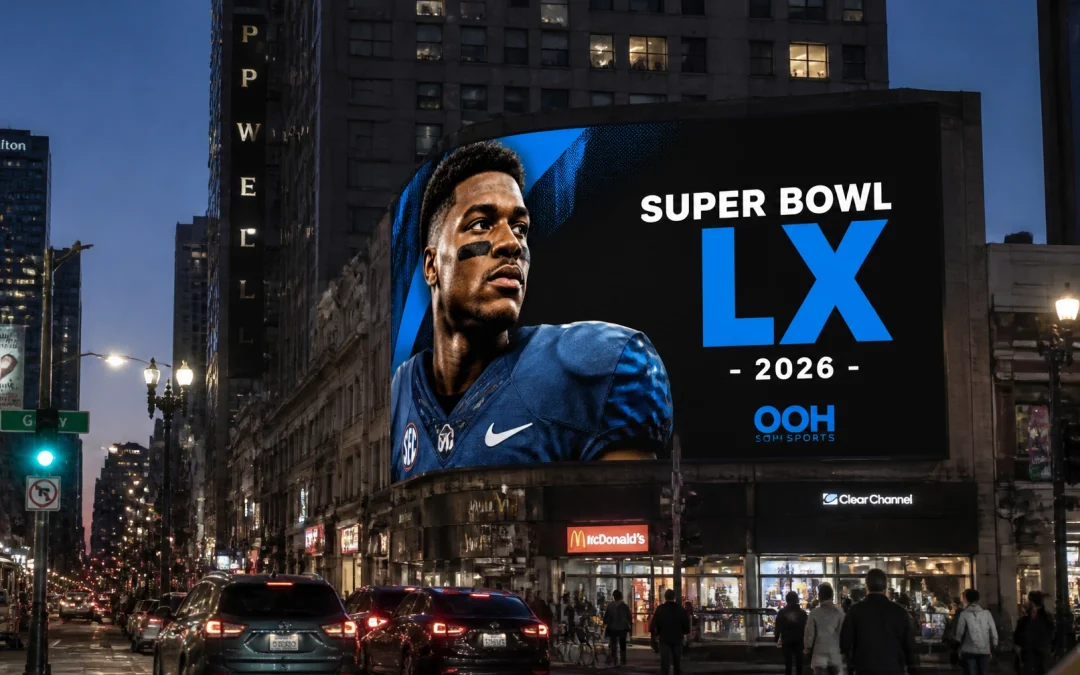
Super Bowl LX is scheduled for February 8, 2026, at Levi’s Stadium in Santa Clara, California. For media buyers and brand managers, this event represents the pinnacle of annual advertising competition. As the industry moves toward more authentic, person-to-person communication, the integration of Name, Image, and Likeness (NIL) talent has become a critical component of a modern media mix. The sheer scale of the 2026 game, combined with the professionalization of the NIL landscape, offers a unique opportunity to activate over 20,000 authentic student-athlete voices in a single, cohesive campaign.
Traditional Super Bowl advertising often focuses on a single, high-cost broadcast spot. However, the most effective modern strategies utilize a multi-layered approach that combines physical presence in the host city with digital resonance. By leveraging a massive network of student-athletes, brands can create a "surround sound" effect that resonates far beyond the 30-second television window. This strategy focuses on building trust through local and regional voices while utilizing programmatic digital out-of-home (DOOH) technology to dominate the physical environment of the Bay Area.
Objective and Strategy
The primary objective of integrating 20,000 NIL voices into a Super Bowl 2026 media plan is to achieve hyper-local authenticity at a national scale. Media planners often struggle with the trade-off between reach and resonance. While a national ad reaches millions, it often lacks the personal connection that drives purchase intent. Conversely, individual influencer deals are difficult to scale.
The strategy proposed by OOH Sports involves a tiered approach:
- Massive Narrative Scale: Utilizing 20,000 athletes to create a sea of content that floods social feeds during Super Bowl week.
- Geographic Saturation: Aligning digital content with physical DOOH assets within a 10-mile perimeter of Levi’s Stadium and key transit hubs in San Francisco and San Jose.
- Contextual Alignment: Matching specific athlete personas with brand values to ensure the message feels earned rather than bought.
By treating the student-athlete network as a unified media channel, planners can deploy a programmatic-style buy across human voices. This mimics the efficiency of programmatic DOOH adoption seen in omnichannel campaigns, but applies it to social and community influence.

The Power of 20,000 NIL Voices
In 2026, the NIL market is expected to be a highly structured environment. Moving away from isolated, one-off posts, the focus has shifted toward multi-channel storytelling. A platform featuring 20,000 athletes provides a diverse range of demographics, sports, and regional influences. This diversity allows a brand to target specific fan bases, from high-engagement women’s volleyball communities to traditional football powerhouses.
Student-athletes are no longer just faces for a brand. They are creators who produce behind-the-scenes content, vlogs, and podcasts. When 20,000 of these voices are activated simultaneously, it creates an unavoidable brand presence. This "crowd-sourced" authority is particularly effective for reaching Gen Z and Millennial audiences who value peer recommendations over corporate messaging. For more on the projected growth of this sector, see how sports advertising is expected to reach $50 billion by 2030.
Video: The Future of Sports Marketing
The following video illustrates the dynamic nature of modern sports marketing and the impact of integrated visual storytelling in the industry.
https://www.youtube.com/watch?v=l6J-0zileKE
Technology and Implementation
Executing a campaign with 20,000 individual participants requires sophisticated technology. The integration process is handled through a centralized NIL platform that manages contracts, content briefs, and compliance at scale. This allows media buyers to treat NIL assets similarly to digital display or social ads.
The technical workflow involves:
- Audience Segmentation: Using data to select the 20,000 athletes whose follower bases most closely align with the target brand’s consumer profile.
- Dynamic Creative Optimization: Providing athletes with flexible creative frameworks that allow them to maintain their personal voice while hitting brand milestones.
- Programmatic Synchronization: Scheduling NIL posts to go live in conjunction with DOOH triggers. For example, when a brand’s ad appears on a digital billboard in San Jose, local athletes in that area can trigger related social content.
This level of coordination ensures that the brand message is reinforced across multiple touchpoints. It follows the successful methodology of previous high-impact campaigns, such as White Claw’s programmatic DOOH launch, which saw a significant lift in purchase consideration through strategic timing and placement.

Physical-Digital Integration: The 10-Mile Perimeter
The Bay Area will be the center of the sporting world in February 2026. The week leading up to the game features events at the San Jose McEnery Convention Center, Moscone Center in San Francisco, and Yerba Buena Gardens. A successful media plan must capture the attention of fans moving between these locations.
OOH Sports utilizes a "perimeter strategy" that secures all digital video advertising boards within a 10-mile radius of sports venues and fan zones. By integrating the NIL voices into this physical network, the campaign achieves a seamless transition from the mobile screen to the physical world.
When a fan walks through San Francisco’s "Fan Zone" and sees a digital display featuring a prominent student-athlete, and then sees that same athlete’s content on their Instagram feed ten minutes later, the brand’s credibility is exponentially increased. This method of "etched hearts and skies" storytelling is the core mission of OOH Sports.
Measuring Impact and Data Strategy
A common challenge in NIL and OOH advertising is measurement. To justify the investment in 20,000 voices, a rigorous data strategy is required. The Super Bowl 2026 plan includes several layers of attribution:
- Brand Lift Studies: Measuring changes in awareness and perception through pre- and post-campaign surveys.
- Device ID Exposure: Tracking mobile devices that were exposed to DOOH assets and subsequently engaged with NIL content or visited a brand's website.
- Conversion Tracking: Utilizing unique codes or links provided to each of the 20,000 athletes to track direct sales and lead generation.
Previous campaigns have demonstrated the effectiveness of this data-driven approach. For instance, AB InBev’s Mike’s Hard Iced Tea campaign utilized similar programmatic DOOH tactics to achieve a 119 percent lift in positive brand image. By applying these metrics to the NIL space, media buyers can see a clear ROI on their investment.

Conclusion
The 2026 Super Bowl presents a monumental opportunity for brands to redefine how they connect with fans. By integrating 20,000 NIL voices into a media plan that leverages the physical and digital landscape of the Bay Area, brands can move beyond the "hype" of a single ad and build lasting connections. The combination of authentic student-athlete storytelling and the precision of programmatic DOOH creates a powerhouse strategy that is both scalable and deeply personal.
For media buyers and planners, the tools are now in place to manage this complexity. The future of the Super Bowl is not just on the field or on the television screen. It is in the pockets of the fans and on the streets of the host city, driven by the voices that the next generation of consumers trusts most.