
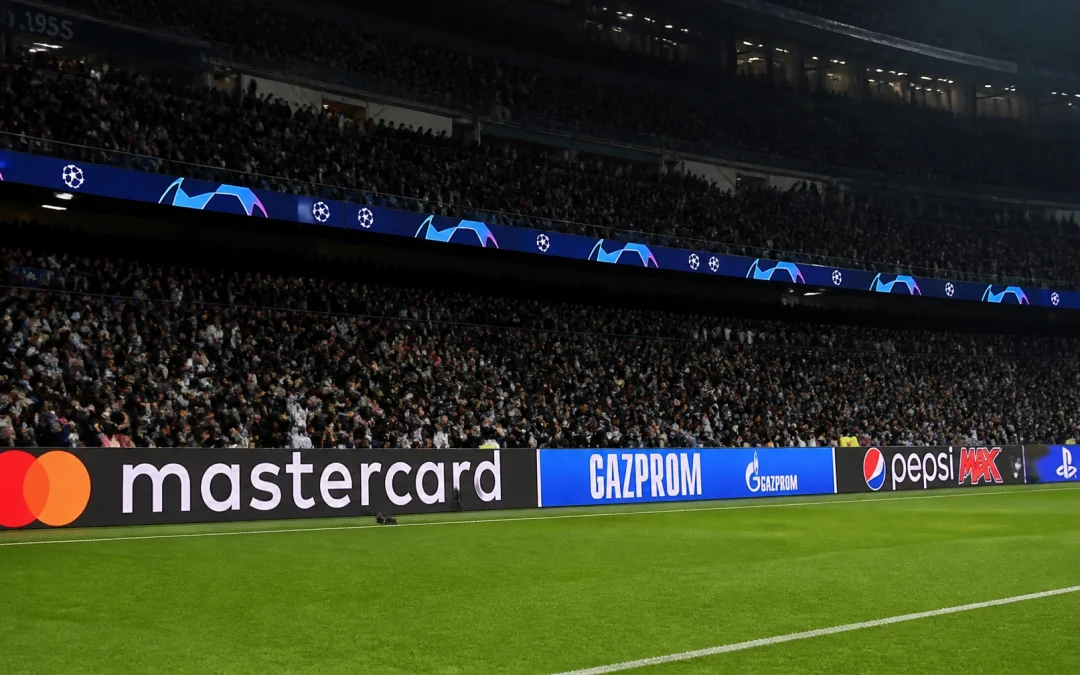
The landscape of sports marketing is undergoing a significant transformation. Traditional television spots and static billboards are being supplemented, and in many cases replaced, by dynamic digital solutions that capture the attention of fans exactly where they are most engaged. Within this evolution, stadium perimeter advertising has emerged as a cornerstone for brands seeking to establish a lasting presence in the minds of consumers.
While the action on the field or court is the primary draw for spectators, the physical environment surrounding that action offers a unique opportunity for high-impact communication. Stadium perimeter ads, specifically those leveraging digital out-of-home (DOOH) technology, provide a level of visibility and engagement that traditional media often struggles to match. This article examines the strategic importance of perimeter advertising, the technology that powers it, and the measurable results it delivers for modern brands.
Strategy
The core strategy behind stadium perimeter advertising is to leverage the high-attention environment of live sports. Fans attending a game are in a heightened emotional state, making them more receptive to messaging that aligns with their experience. Furthermore, perimeter ads benefit from a dual-audience effect: they reach the thousands of fans inside the venue and the millions of viewers watching the broadcast at home.
Unlike static signage, digital perimeter boards allow for dynamic rotations and real-time content updates. This flexibility ensures that the messaging remains relevant throughout the duration of an event. A brand can tailor its creative to match specific game moments, such as halftime, a significant scoring play, or the final whistle. This contextual relevance is a primary driver of the high recall rates associated with DOOH in sports environments.
A comprehensive strategy also extends beyond the physical walls of the stadium. Effective campaigns often utilize a hyper-local approach, targeting digital screens within a 10-mile radius of the venue. This creates a multi-touchpoint experience, reaching fans as they travel to the game, visit local businesses, and return home. This surrounding coverage reinforces the brand's presence and ensures that the message is seen multiple times across different contexts.
Objective & Strategy
The primary objective for creative directors and CMOs utilizing stadium perimeter ads is typically a combination of brand lift, purchase consideration, and direct consumer action. To achieve these goals, the strategy must be precise and data-driven.
The execution process begins with identifying the high-traffic zones where fans congregate. This includes the immediate perimeter of the field, stadium entrances, and key transit hubs within the surrounding city. By placing digital assets in these locations, brands can maintain a constant dialogue with the audience.

A critical component of this strategy is the integration of mobile engagement. According to industry data, 74% of mobile device users have taken an action on their phone after seeing a DOOH advertisement. This includes searching for more information, visiting a brand’s website, or engaging with a social media platform. By including clear calls-to-action or scannable QR codes on perimeter displays, advertisers can bridge the gap between physical exposure and digital conversion.
Tactical steps for a successful stadium perimeter campaign include:
- Establishing a consistent visual identity that is easily legible from a distance.
- Synchronizing digital rotations to coincide with high-visibility game intervals.
- Utilizing geo-fencing technology to retarget fans on their mobile devices after they leave the stadium.
- Aligning the creative messaging with the specific culture and energy of the local fan base.
This multi-layered approach ensures that the brand is not just a passive observer but an active participant in the fan experience.
Technology Partners
The success of a modern perimeter campaign is heavily dependent on the technology infrastructure used to deploy and measure it. Programmatic DOOH (pDOOH) has revolutionized the way inventory is bought and sold, allowing for greater efficiency and transparency.
Key technology partners in this space include Demand-Side Platforms (DSPs) that specialize in out-of-home media. For instance, the use of the StackAdapt DSP has been instrumental in driving programmatic adoption, allowing brands to purchase inventory across multiple networks through a single interface. These platforms provide the tools necessary to set specific parameters for a campaign, such as budget, timing, and location.
Another vital aspect of the technology stack is measurement and attribution. By tracking exposed mobile device IDs, brands can quantify the impact of their perimeter ads with precision. This data-driven approach allows for the measurement of foot traffic to retail locations, website visits, and even long-term changes in consumer behavior. The ability to launch hyperlocal sports DOOH campaigns in a matter of hours further demonstrates the agility provided by modern technology partners.

Results
The impact of stadium perimeter advertising is most clearly seen in the data collected from recent campaigns. Research indicates that 90% of fans who recall seeing an OOH ad at a sporting event take a real-world action. These actions range from social media engagement to direct purchases.
Specific case studies highlight the magnitude of this success:
- Brand Lift: A programmatic DOOH campaign for AB InBev’s Mike’s Hard Iced Tea resulted in a 119% lift in positive brand image. The campaign utilized high-frequency rotations in key sports environments to build favorability among fans.
- Purchase Consideration: White Claw achieved a 74% lift in purchase consideration for its vodka launch by strategically placing ads in high-attention sports venues. This demonstrates the power of perimeter ads in moving consumers through the sales funnel.
- Consumer Intent: Sea-Doo’s first major digital OOH campaign saw an even more dramatic result, with a 144% increase in purchase consideration. The ability to reach a captive audience during a high-energy event was a major factor in this growth.
Furthermore, the economic impact of these ads extends to the local community. Data shows that 99% of fans who attend games after seeing an OOH ad report spending money at local businesses, such as restaurants and hotels, near the venue. This highlights the role of perimeter advertising in supporting a broader ecosystem of commerce.

Conclusion
Stadium perimeter advertising is a highly effective tool for brands looking to maximize fan engagement and drive measurable results. By combining the high-visibility environment of live sports with the precision of programmatic DOOH technology, advertisers can create impactful campaigns that resonate with fans both inside and outside the arena.
The strategy of targeting a 10-mile radius around stadiums ensures a comprehensive brand presence that follows the consumer journey. With proven lifts in brand image and purchase consideration, it is clear that perimeter ads are a critical component of any sophisticated sports marketing strategy. As technology continues to evolve, the ability to deliver personalized, real-time messaging in these high-stakes environments will only become more vital for brands aiming to secure their place as the "MVP" of the fan experience.