
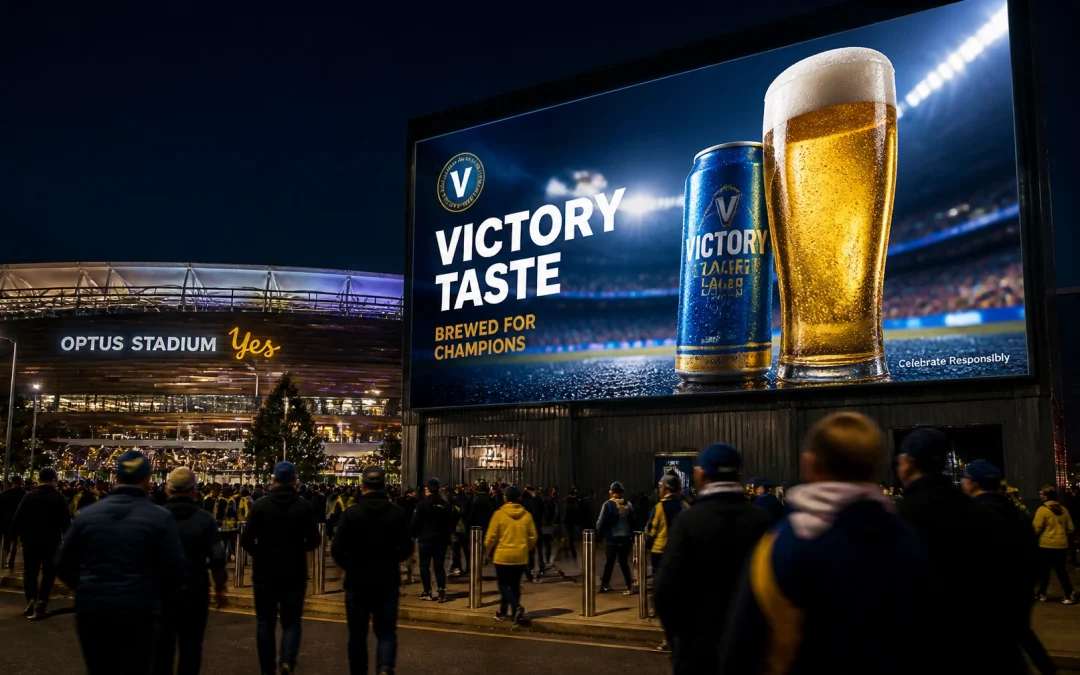
The landscape of sports marketing is undergoing a significant transformation as traditional advertising methods give way to more agile, data-driven technologies. For decades, brands relied on static stadium signage and broad television spots to capture the attention of fans. However, the emergence of programmatic digital out of home (pDOOH) advertising has introduced a level of precision and flexibility previously reserved for online channels. By integrating real-time data with high-impact physical displays, pDOOH allows brands to reach fans at the most critical moments of their journey. This shift represents a fundamental change in how media buyers and brand managers approach the sports audience, moving from a general presence to a targeted, contextually relevant strategy.
Strategy: Precision at the Perimeter
A core component of modern sports marketing involves capturing the attention of fans long before they take their seats and long after the final whistle. The strategy centers on the creation of a digital out of home sports network that provides access to digital video advertising boards in every relevant category. A key tactic in this approach is the establishment of a perimeter extending up to 10 miles around sports venues. This geographic focus ensures that brand messaging is prevalent in the areas where fans live, travel, and socialize during game days.
By targeting this 10-mile radius, advertisers can engage with a high-affinity audience across multiple touchpoints. This includes transit hubs, parking facilities, sports bars, and residential elevators. The goal is to create a consistent brand presence that follows the fan journey. Rather than relying on a single large-scale placement, this strategy uses a network of screens to reinforce a message. For media planners, this means the ability to buy specific audiences rather than just physical locations. The automation of these buys through platforms like the StackAdapt DSP allows for hyper-local execution that can be adjusted in real time.
Objective & Strategy: Harnessing Emotional Peaks
Sports are defined by emotional intensity, and the primary objective of pDOOH in this context is to align brand messaging with those high-stakes moments. Traditional OOH is static and cannot respond to the shifting dynamics of a live game. Programmatic technology, however, enables advertisers to activate campaigns based on specific triggers. This means a brand can choose to display celebratory creative immediately following a home team victory or switch to supportive messaging during a challenging season.
The alignment with emotional peaks is not merely about being present. It is about being relevant. Research indicates that 81 percent of fans feel more positive toward brands that sponsor or support their favorite sports. By using pDOOH to deliver timely, context-specific content, brands can tap into this positive sentiment more effectively. The strategy involves using dynamic creative that updates automatically based on live data feeds. This ensures that the advertisement feels like a part of the live event experience rather than an interruption.

Technology Partners & Real-Time Triggers
The technical execution of these campaigns relies on sophisticated integration between advertising platforms and real-time data providers. Technology partners play a crucial role by providing the infrastructure necessary for automated bidding and creative delivery. The use of real-time triggers is perhaps the most transformative aspect of pDOOH for sports. These triggers allow a campaign to pause or activate based on external conditions, ensuring that budget is spent only when it is most impactful.
Commonly utilized triggers in the sports industry include:
- Live Scores and Outcomes: Digital boards can display current scores or instant "victory" messages the moment a game concludes.
- Weather Conditions: Advertisers can promote cold beverages on hot game days or switch to apparel and hot drinks when temperatures drop. This is handled automatically through weather-data integration.
- Game State: Campaigns can be timed to coincide with pre-game anticipation, halftime lulls, or post-game traffic peaks.
- Ticketing Data: Screens near the venue can be used to promote last-minute ticket availability or seating upgrades based on real-time inventory.
This level of automation allows brands to launch hyperlocal sports DOOH campaigns that can be fully operational in a very short window, responding to the immediate needs of the market.
Campaign Mechanics: The Power of Programmatic
The mechanics of a programmatic DOOH campaign are designed to maximize efficiency and reduce media waste. Unlike traditional OOH contracts that require long-term commitments and manual installation, programmatic buying occurs in an auction-based environment. This allows media buyers to adjust their pacing and bid strategies on the fly. If a particular neighborhood or venue is showing higher engagement levels, the budget can be reallocated instantly to those high-performing screens.
Furthermore, pDOOH serves as a critical component of an omnichannel strategy. Using mobile device IDs exposed to specific DOOH screens, brands can retarget those same fans on their personal devices. For example, a fan who sees a billboard for a new sports betting app near the stadium can be served a follow-up offer on their smartphone or social media feed later that evening. This creates a seamless transition from broad awareness to direct conversion. The use of specialized platforms and audience segments derived from movement data ensures that the retargeting is precise and data-driven.

Results: Data-Driven Success Stories
The success of programmatic DOOH in the sports sector is best illustrated through quantified results and clear before-and-after comparisons. Several major brands have utilized these strategies to achieve significant lifts in brand awareness and purchase consideration. These outcomes are often measured through brand lift studies and attribution modeling that connects screen exposure to real-world actions.
For instance, White Claw executed a programmatic DOOH campaign to support a new product launch. By targeting high-traffic areas and using strategic placement, the campaign drove a 74 percent lift in purchase consideration. Detailed information on this execution can be found in the White Claw case study.
Similarly, AB InBev utilized pDOOH for Mike’s Hard Iced Tea. This campaign focused on building positive brand associations through timely, relevant messaging. The result was a 119 percent lift in positive brand image among the target audience. The mechanics of this campaign emphasized the importance of being present during the moments that matter to fans, as detailed in the Mike's Hard Iced Tea analysis.
Another notable example is Sea-Doo, which launched its first digital OOH campaign with a focus on specific recreational and sports-adjacent locations. By using data to identify and target high-affinity audiences, the brand saw a 144 percent increase in purchase consideration. This success highlights the effectiveness of moving away from static placements toward a more dynamic, audience-centric model. More details are available in the Sea-Doo campaign report.

Conclusion: A New Standard for Sports Marketing
The integration of programmatic technology into the out of home sector has fundamentally altered the toolkit available to sports marketers. By focusing on a 10-mile perimeter around venues and utilizing real-time triggers, brands can achieve a level of relevance that was previously unattainable. The ability to measure results with precision, from purchase consideration to brand sentiment, provides the accountability that modern CMOs and media planners require.
As the industry continues to evolve, the reliance on data and automation will only increase. Brands that adopt these programmatic strategies early will be better positioned to navigate the complexities of the modern fan journey. The transition from static to dynamic is not just a technological upgrade. It is a strategic necessity for anyone looking to make a lasting impact in the world of sports advertising. For those seeking to explore these opportunities further, reviewing existing case studies can provide a roadmap for successful implementation in future campaigns.
