
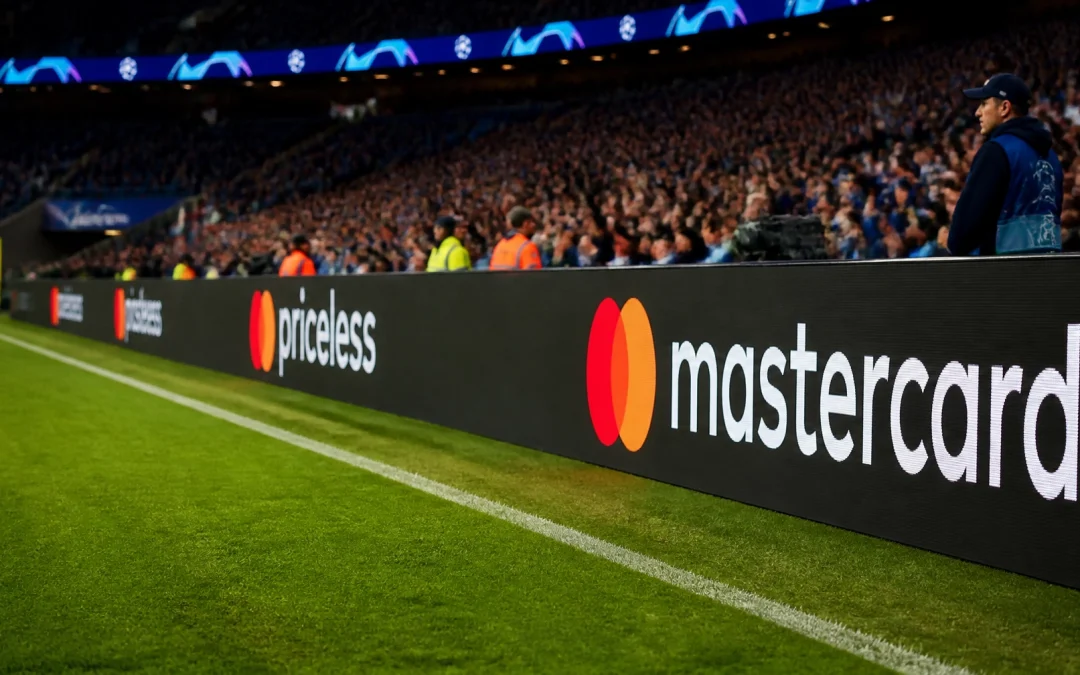
The landscape of sports marketing has evolved from static placements to a dynamic, multi-layered ecosystem where brand visibility is only the first step. Today, the most successful campaigns do not stop at the stadium gates. They leverage digital out-of-home (DOOH) technology to create a continuous presence that follows the fan journey from the driveway to the front-row seat and back again. Turning stadium perimeter ads into a powerhouse for fan engagement requires a strategic shift from isolated impressions to integrated experiences.
In this environment, the perimeter board serves as the emotional core of the campaign. However, the true strength lies in the ability to synchronize these high-impact moments with a wider network of digital screens. By utilizing a 10-mile radius around sports venues, brands can ensure their message remains top-of-mind during every critical phase of the game-day experience.
Strategy: The 10-Mile Halo Effect
The concept of the "10-mile halo" is central to modern sports advertising. This strategy acknowledges that the fan experience begins long before the first whistle and continues well after the final score. A brand that only appears on the perimeter boards inside the stadium misses the opportunity to build anticipation or drive post-game action.
The halo strategy involves identifying every digital touchpoint within a 10-mile radius of the venue. This includes transit hubs, digital billboards on major commuting routes, and screens inside sports bars, gyms, and retail locations. By blanketing this area with consistent messaging, a brand achieves a sense of ubiquity. When a fan sees an advertisement on a transit screen and then sees the same creative on a perimeter board during a key moment in the game, the psychological impact is magnified through repetition and context.
This layered approach transforms a simple sponsorship into a pervasive brand narrative. It allows media buyers to move fans through a funnel: building awareness on the way to the game, triggering emotional engagement during the game, and offering conversion opportunities immediately following the game.
Objective & Tactics: Mapping the Fan Journey
A successful engagement strategy must be tailored to the specific mindset of the fan at different times. The following tactics outline how to effectively deploy DOOH assets across the three main phases of a sports event.
Pre-Game: Building Anticipation
The goal during the pre-game phase is to build intent and excitement.
- Tactics: Deploy countdown timers on urban panels and transit screens.
- Location: High-traffic areas within the 10-mile radius where fans are commuting or gathering for pre-game activities.
- Creative: Use hype-focused visuals that align with the team's colors and spirit. Promoting exclusive offers redeemable in-stadium, such as a discount on merchandise or food, can prime the fan for immediate spending upon arrival.
In-Game: Peak Emotional Engagement
Once fans are inside the arena, the perimeter boards take center stage. These screens are viewed during moments of maximum focus and emotion.
- Tactics: Utilize dynamic triggers that respond to real-time events. For instance, a celebratory animation can be programmed to run immediately after a goal or a home-run.
- Engagement: Incorporate QR codes that lead to interactive second-screen experiences, such as live polls, augmented reality filters, or instant reward microsites. This tactic bridges the gap between passive viewing and active participation.
Post-Game: Extending the Experience
As fans exit the stadium, the objective shifts toward conversion and reinforcement.
- Tactics: Adjust creative based on the game's outcome. A "win" creative might offer a celebratory discount, while a "loss" creative might focus on a "get them next time" message.
- Retargeting: Capture device IDs of fans present in the stadium to serve follow-up mobile advertisements. This ensures the brand remains in the fan’s digital ecosystem even after they leave the physical vicinity of the venue.

Technology Partners & Programmatic Execution
The execution of a 10-mile halo campaign relies on sophisticated programmatic DOOH platforms. These technologies allow media planners to buy and manage inventory with the same precision as digital display or social media ads.
Programmatic DOOH enables automated bidding on screens based on specific triggers, such as location, time of day, or weather conditions. In the context of sports, the most critical trigger is the event schedule. Systems can be set to activate screens only when a game is occurring or when fan density reaches a certain threshold.
Collaboration with specialized technology partners allows for the seamless integration of real-time data feeds. These feeds can automatically update perimeter boards and nearby city screens with live scores, player statistics, or social media mentions. This level of automation ensures that the content remains relevant without requiring manual updates for every game. Furthermore, the use of AI-driven DOOH strategies can optimize screen selection based on historical performance data, ensuring the highest possible impact for each impression.
Creative Execution: Visual Impact and "Smooove" Design
Creative directors must prioritize legibility and impact when designing for stadium perimeter boards and DOOH screens. Fans are often moving or preoccupied with the game, meaning a brand has only a fraction of a second to capture their attention.
- Simplicity is Paramount: Use bold, high-contrast colors and large, legible fonts. Avoid cluttered backgrounds or complex messages. The design should be "smooove" and effortless for the viewer to process.
- Brand Consistency: The creative shown on the stadium perimeter must be visually identical or strongly aligned with the creative seen on transit screens or mobile ads. This consistency is what builds the "powerhouse" effect of the campaign.
- Dynamic Elements: Motion is more effective than static images in capturing the eye. Subtle animations on the perimeter boards can draw focus without being a distraction from the game itself.
- Call to Action (CTA): If the goal is engagement, the CTA must be unmistakable. A large QR code with a clear benefit, such as "Scan for 20% Off," is significantly more effective than a generic logo placement.

Effective creative design is one of the most important factors in avoiding common fan engagement mistakes. When the visual execution aligns with the fan’s emotional state, the brand moves from being a background element to becoming a part of the event's story.
Measurement and Results: Proving the Value
The success of an OOH Sports campaign is measured through a combination of physical and digital metrics. By integrating perimeter ads with a wider DOOH network, brands can move beyond simple "impression counts" to more meaningful data points.
Brand Lift and Sentiment
Brand lift studies are conducted by surveying fans before and after exposure to the campaign. These studies measure changes in brand awareness, favorability, and purchase intent. For campaigns focused on the 10-mile radius, data often shows a significantly higher lift when fans are exposed to multiple touchpoints throughout their journey compared to those who only saw a single board.
Digital Engagement Metrics
When QR codes or dedicated microsites are used, the results are quantifiable in real-time. Media buyers can track:
- Scan Rates: The number of fans who interacted with the board.
- Conversion Rates: The percentage of scanners who completed an action, such as signing up for a newsletter or making a purchase.
- Time on Site: How long fans engaged with the digital content.
Foot Traffic and Attribution
Using mobile location data, it is possible to track the movement of fans who were exposed to the DOOH screens. Attribution modeling can determine if a fan who saw a transit ad near the stadium later visited a retail location or a partner sports bar. This provides a clear link between the physical advertisement and a real-world business outcome.
Network Scale and ROI
The impact of these campaigns is further amplified by the scale of the available network. Utilizing a network with tens of thousands of screens ensures that the message is not just local, but can be scaled across multiple cities and sports leagues simultaneously, driving a higher return on investment through reach and frequency.

Conclusion: The Integrated Future
Turning stadium perimeter ads into a fan engagement powerhouse is not achieved through a single heroic placement. It is the result of a meticulously planned, data-driven strategy that treats the stadium as the heart of a much larger geographic and digital ecosystem. By embracing the 10-mile halo, utilizing programmatic technology, and prioritizing simple, impactful creative, brands can create a "smooove" and unforgettable presence.
In this model, every screen is a gateway and every game is an opportunity to build a lasting connection with a passionate audience. The brands that succeed will be those that understand how to follow the fan through every step of their journey, turning every matchday into a comprehensive brand experience.