
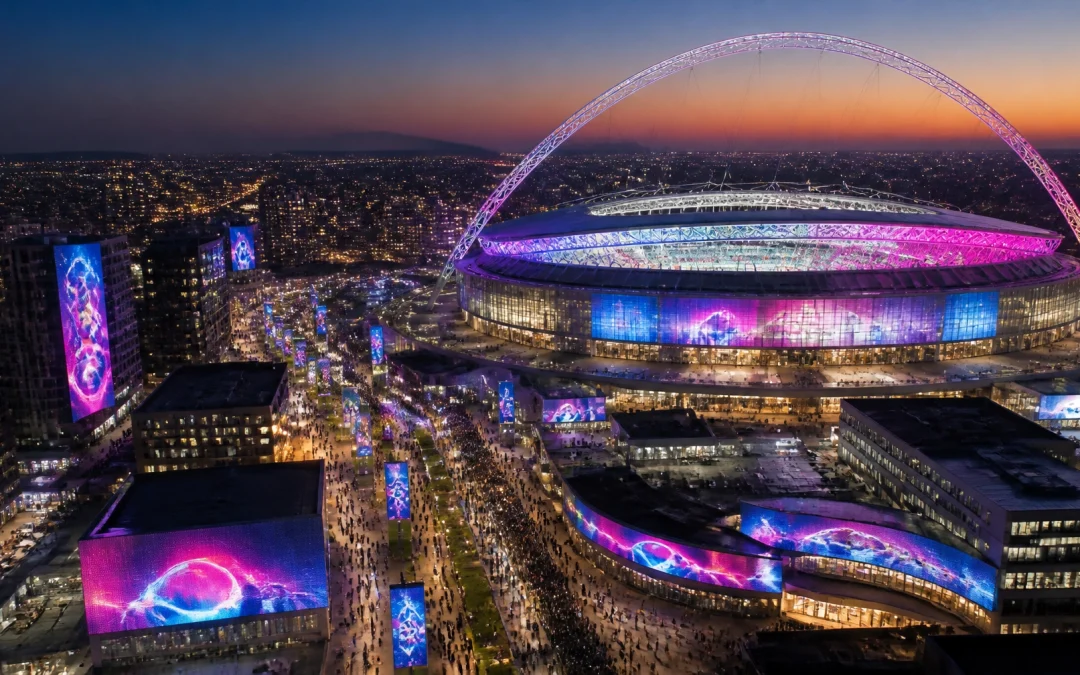
The intensity of a World Cup knockout match is a unique phenomenon in the world of sports. When a tournament moves into the single-elimination phase, every moment carries immense weight. For brands, this shift represents more than just a spike in television ratings. It marks a period where fan attention, emotional investment, and physical movement around host cities reach a fever pitch.
To capitalize on this environment, a standard national media buy is often insufficient. Success in these high-stakes moments requires a focused, geographic approach. A 10-mile stadium strategy ensures that a brand is not just a background noise but a constant companion to the fan experience during the most critical windows of the tournament.
Strategy: The 10-Mile Catchment Area
The 10-mile radius around a major sports stadium serves as the primary catchment area for the most valuable audience in sports marketing. This zone contains not only the ticket holders entering the venue but also the millions of fans gathering in local bars, fan zones, and public viewing areas.
By deploying a dense network of Digital Out of Home (DOOH) assets within this perimeter, brands create a "surround sound" effect. This strategy moves beyond the limited visibility of pitch-side boards and enters the daily path of the fan. Whether a consumer is commuting to the game, walking through a transit hub, or visiting a retail center near the stadium, the brand message remains consistent and unavoidable.

Objective & Strategy: Dominating the Local Ecosystem
The primary objective of a 10-mile stadium strategy is to own the local ecosystem on game day. In the knockout stages, host cities become the epicenter of global attention. A brand that dominates the local digital screens effectively owns the city for that 24-hour cycle.
Key Strategic Pillars:
- Saturation over Fragmentation: Instead of spreading a budget thin across a national campaign, funds are concentrated into the high-intent geography where fans are physically congregating.
- The Fan Journey: The strategy maps the fan's journey from the moment they enter the 10-mile zone. This includes roadside billboards on major arteries, screens in transit stations, and digital signage in high-dwell retail environments.
- Emotional Resonance: By appearing in the physical world where fans are experiencing the highs and lows of the knockout rounds, a brand builds a stronger emotional connection than it would through a skipped digital ad or a fleeting social media post.
Information on the impact of network scale can be found in the analysis of why 25,000 screens are the gold standard for sports branding.
Technology Partners and Programmatic Precision
The execution of a 10-mile strategy relies on advanced programmatic DOOH technology. This allows for a level of precision and flexibility that was historically impossible with traditional outdoor advertising.
Programmatic Advantages:
- Real-Time Triggers: Campaigns can be programmed to activate or change creative based on live game data. If a goal is scored or a match goes into extra time, the digital screens can reflect these events within seconds.
- Dynamic Creative Optimization (DCO): Brands can serve different messages based on the time of day, current weather conditions, or the specific teams playing in the knockout match.
- Audience Targeting: Using anonymized mobile location data, brands can identify high concentrations of sports fans and trigger ads on the screens most likely to reach them.
The methodology for integrating live game data with DOOH strategy is a critical component for any brand looking to stay relevant during live sporting events.

Execution: Creative Tactics for Maximum Impact
Creative directors and brand managers must approach DOOH with a different mindset than social or television media. In the 10-mile perimeter, simplicity and visual impact are paramount.
Video and Animation:
Digital boards allow for full-motion or subtle animation, which increases catch-rates by up to 2.5 times compared to static imagery. Using dynamic movement on roadside and pedestrian screens ensures the brand stands out in a crowded urban environment.
Context-Aware Messaging:
The most effective campaigns in the 10-mile zone are those that acknowledge the specific context of the match. Referencing the high stakes of the knockout round or tailoring creative to the specific colors of the competing nations creates a sense of "being there" that resonates deeply with fans.
Avoiding Common Pitfalls:
A common mistake is treating DOOH as a static billboard. Brands that fail to utilize the dynamic capabilities of digital screens often miss the opportunity for deeper engagement. Detailed insights on this can be found in the guide on 7 mistakes made with fan engagement and how perimeter ads fix them.
Results: Measuring the Impact of Perimeter Dominance
The success of a 10-mile stadium strategy is measured through a combination of brand lift studies and behavioral attribution. By analyzing the magnitude of reported data, the effectiveness of this concentrated approach becomes clear.
Quantifiable Outcomes:
- Increased Brand Lift: Research indicates that brands utilizing a dense DOOH network around sports venues see a significant percentage increase in brand awareness compared to those using traditional media alone.
- Higher Ad Recall: The unscrollable nature of large-format digital screens leads to higher recall rates. In a high-emotion environment like a World Cup knockout, these memories are etched more deeply into the consumer's mind.
- Foot Traffic and Attribution: By matching device IDs exposed to the DOOH screens with retail or app data, brands can quantify the direct impact on foot traffic to local storefronts or increases in app engagement during the match window.

The Long-Term Value of the Perimeter-First Approach
While the World Cup knockout rounds provide a high-profile example, the 10-mile stadium strategy is an evergreen tactic for any major sporting event. Whether it is a championship game, a season opener, or a high-stakes rivalry, the geographic concentration of high-intent fans remains a constant.
OOH Sports provides the infrastructure to execute these complex, high-impact campaigns across a nationwide network. By focusing on the perimeter, brands move from being mere sponsors to becoming a part of the sporting culture itself. This transition is essential for any brand looking to maintain an undercurrent of authority and expertise in the competitive landscape of sports marketing.
The 10-mile strategy is not just about visibility. It is about strategic alignment with the fan experience. In the world of sports, where every second and every yard matters, the geography of the advertisement is just as important as the message it carries.