
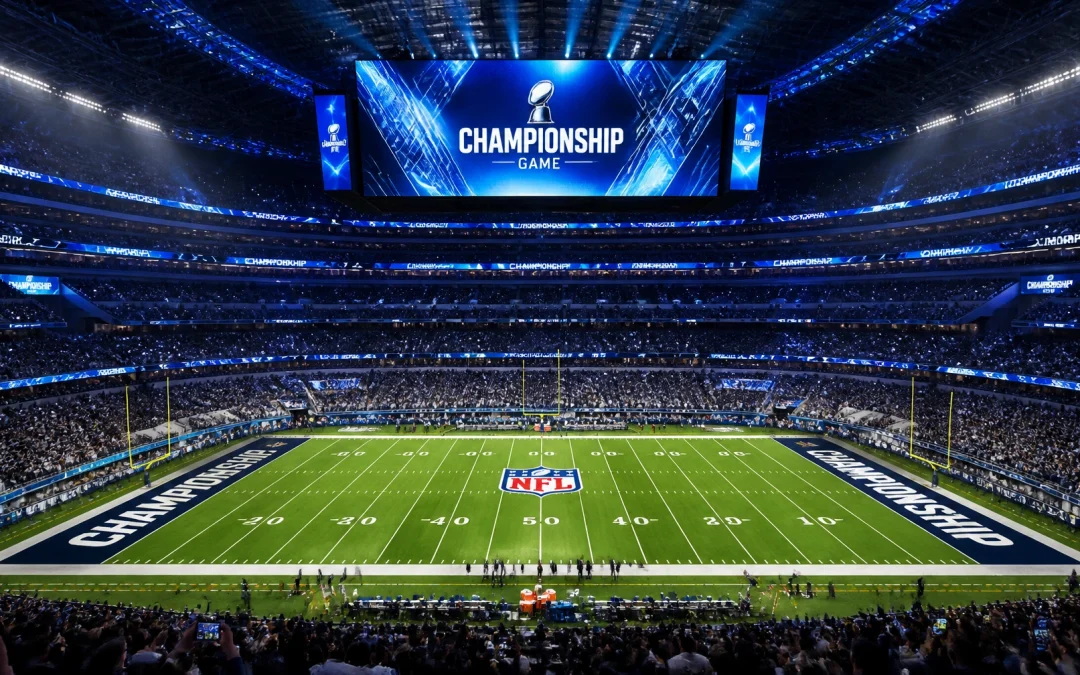
The landscape of Super Bowl advertising has undergone a radical transformation over the last four decades. In 1986, the primary focus for brands was a 30-second television spot and perhaps a few static banners or painted logos on the stadium tunnels. Fast forward to 2026, and the strategy has shifted toward total venue immersion. Today, advertising leadership is defined by the ability to dominate every square inch of the fan experience, from the floor graphics in the concourses to the digital skin of the arena itself.
This evolution reflects a broader trend in sports marketing: the move from passive observation to active engagement. As the Super Bowl remains the pinnacle of American sports, the methods used to capture the attention of its millions of viewers: both inside and outside the stadium: have become increasingly sophisticated.
Historical Context: The Era of Static Signage
Forty years ago, the advertising environment at the Super Bowl was remarkably "clean" by modern standards. In the mid-1980s, the NFL maintained strict control over the playing field, reserving the turf for league logos and team identifiers. Brand presence was largely limited to the broadcast and physical billboards around the host city.
In-venue signage during this period was primarily static. Printed boards and painted graphics were the standard. Sponsors would purchase space on the walls of the lower bowl or near scoreboard surrounds. These displays remained unchanged throughout the game, offering a consistent but inflexible message. The concept of "floor graphics" was often literal: vinyl or fabric banners placed in high-traffic pedestrian areas or athlete tunnels.
As the 1990s approached, the value of the Super Bowl broadcast began to skyrocket, with 30-second spots crossing the $1 million mark. This surge in broadcast value eventually triggered a realization among media planners: the stadium itself was a massive, untapped canvas for the same high-impact branding seen on television.
Objective & Strategy: Expanding the Perimeter
The modern objective for Super Bowl advertisers is no longer just a television impression; it is the creation of a "surround-sound" branding environment. The strategy involves capturing fans across a 10-mile radius around the host venue, ensuring that the brand is the first thing they see when they arrive in the city and the last thing they see as they leave the stadium.
The 10-Mile Radius Strategy
Top-tier brands now utilize an omnichannel approach that bridges the gap between digital out-of-home (DOOH) advertising and mobile retargeting. This strategy focuses on several key zones:
- Arrival Zones: Airports, transit hubs, and highways leading to the stadium.
- The Fan Zone: Tailgate areas, pre-game festivals, and hospitality villages.
- The Venue Interior: Concourse screens, LED ribbon boards, and stadium naming rights.
- The Digital Perimeter: Real-time ads on boards within a 10-mile radius of the kickoff.
By saturating these zones, brands can build a narrative that follows the fan through their entire journey. This approach is highly effective for building brand recall and maintaining a presence in a crowded market.

Tactical Execution: From Floor Graphics to Digital Takeovers
The tactical execution of Super Bowl campaigns has transitioned from physical installation to digital programming. While "floor graphics" still play a role in guiding foot traffic and providing branding in corridors, they are now part of a much larger, coordinated digital ecosystem.
Full Venue Coverage
Modern stadiums, such as those hosting the 2026 championship, are built with digital-first architecture. This allows for "venue takeovers" where every screen in the building: from the massive center-hung video board to the smallest screen in a private suite: can be synchronized to display a single brand message during critical moments, such as a touchdown or halftime.
The use of stadium perimeter ads has become a staple for media buyers. These digital boards offer the flexibility to change creative in real-time, allowing brands to react to game events. For instance, a beverage company might switch its creative to a celebratory message immediately following a game-winning play.
Interactive Concourse Experiences
Concourses have evolved from simple transit paths into high-tech marketing hubs. Brands now utilize interactive kiosks, AR-enabled displays, and large-format digital walls to engage fans during breaks in the action. These installations often link back to mobile apps, encouraging fans to participate in contests or share branded content on social media, further extending the reach of the in-stadium investment.

Technology Partners and Programmatic Innovation
The shift to full venue coverage has been driven by advancements in programmatic DOOH technology. Working with specialized media planning updates, brands can now buy stadium and perimeter advertising with the same precision as online ads.
Programmatic DOOH (pDOOH)
Programmatic platforms allow for data-driven buying based on location, time, and even weather conditions. For a Super Bowl campaign, this means ads can be triggered when foot traffic peaks at the entrance gates or when the game enters the highly-viewed fourth quarter.
AI and Real-Time Data
The integration of AI and real-time data has revolutionized how creative is delivered. Algorithms can now analyze fan sentiment on social media or in-stadium noise levels to adjust the tone of the advertising. This level of responsiveness ensures that the branding feels relevant and part of the immediate cultural moment.
Measuring Success: Results and Data Impact
In the past, measuring the success of in-stadium advertising was often limited to estimating the number of attendees. Today, brands demand: and receive: rigorous data on the impact of their venue-wide campaigns.
Key Performance Indicators (KPIs)
- Brand Lift: Studies often show a significant increase in brand awareness and preference among fans exposed to a coordinated stadium takeover compared to those who only saw the TV broadcast.
- Device IDs Exposed: Using geofencing technology, marketers can track how many mobile devices were in proximity to specific digital boards.
- Conversion and Retargeting: Fans who were exposed to in-stadium ads can be retargeted on their mobile devices post-game with specific calls to action, such as a discount code for the brand's products.
Data from recent high-profile sports events indicates that integrated DOOH campaigns can lead to a 20-30% higher brand recall compared to static-only strategies. Furthermore, the combination of venue coverage and watch party advertising ensures that the message reaches fans regardless of where they are consuming the game.

Conclusion: The Future of Stadium Advertising
The journey from the simple floor graphics of 1986 to the fully digital, immersive environments of 2026 represents a 40-year masterclass in advertising leadership. As technology continues to evolve, the line between the physical stadium and the digital marketing world will continue to blur.
For media buyers and brand managers, the lesson of the last four decades is clear: success at the Super Bowl requires more than just a great commercial. It requires a comprehensive strategy that embraces the entire venue, leverages the latest in programmatic technology, and puts the fan at the center of the story. By dominating the 10-mile perimeter and every screen within the stadium, brands can ensure their message isn't just seen: it is experienced.
For more information on how to build a dominant presence at the next major sports event, explore the OOH Sports Network expansion and its capabilities in connecting brands to fans across America.