
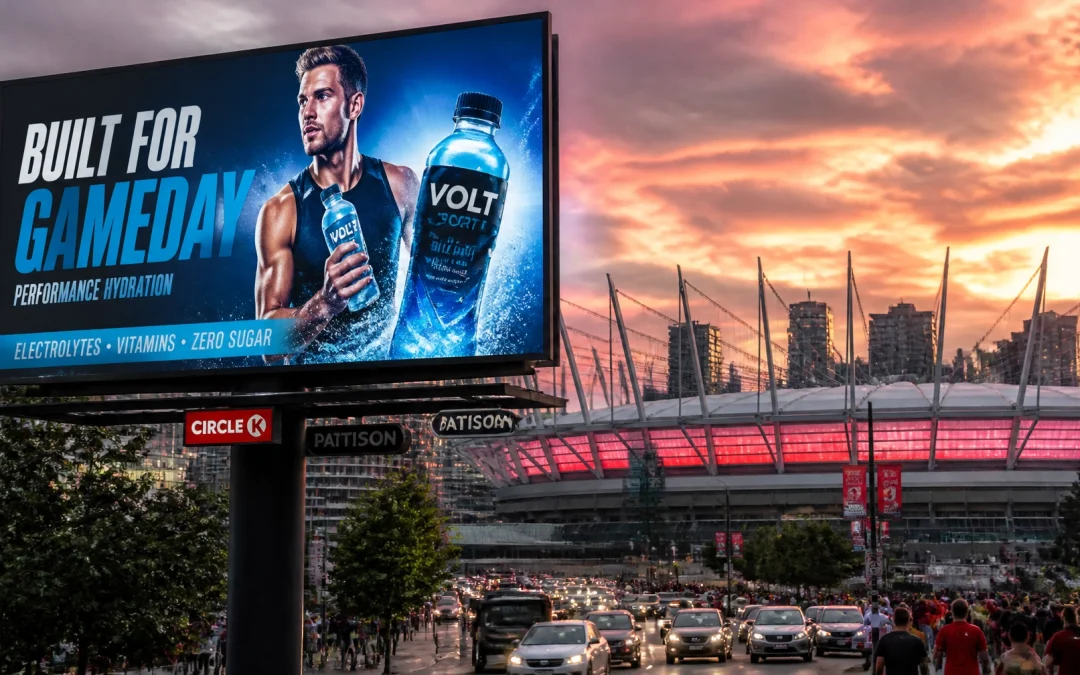
The landscape of sports marketing is no longer confined to the four walls of a stadium. While the action on the field remains the primary draw, the commercial opportunity has expanded significantly. Modern fans do not just inhabit their seats. They occupy a broader ecosystem that includes transit routes, local bars, retail environments, and the digital spaces on their mobile devices. Digital Out-of-Home (DOOH) technology has emerged as the bridge connecting these disparate touchpoints, allowing brands to maintain a continuous dialogue with fans throughout their entire game-day journey.
Innovation in sports DOOH is characterized by a shift from static visibility to dynamic engagement. This evolution is driven by programmatic technology, real-time data integration, and a strategic focus on the surrounding geography of the arena. By leveraging the OOH Sports Network, media buyers and brand managers can now move beyond traditional sponsorships and implement sophisticated, automated campaigns that respond to the pulse of the game.
Objective and Strategy: The 10-Mile Perimeter
The core of a modern sports OOH strategy is the 10-mile perimeter. This approach recognizes that the fan experience begins long before the first whistle and continues long after the final buzzer. By establishing a presence across all digital video advertising boards within a 10-mile radius of a sports venue, a brand can saturate the fan's environment at every critical stage.
This strategy targets high-traffic locations that fans naturally frequent. Key inventory categories include:
- Transit Hubs: Reaching fans as they travel to the game via train stations, bus stops, and airport terminals.
- Convenience and Retail: Capturing attention at gas stations and convenience stores during pre-game supply runs.
- Dining and Entertainment: Engaging fans at sports bars and restaurants where they gather for pre-game festivities or post-game celebrations.
- Urban Billboards: Maintaining high-impact visibility along major arterial roads leading to the stadium.
The objective is to create a "surround sound" effect. When a fan sees a brand on a highway billboard, then again at a gas pump, and finally on a digital screen inside a bar, the brand becomes synonymous with the event itself. This proximity-based targeting ensures that marketing budgets are concentrated on the audiences with the highest intent and emotional investment.

Technological Innovation: Programmatic DOOH and Real-Time Triggers
The true innovation in this space lies in the move toward programmatic execution. Programmatic DOOH allows for the automated buying and selling of ad space, but its real power in sports marketing is the ability to utilize real-time data triggers.
Instead of a static image that remains unchanged for the duration of a season, programmatic DOOH enables creative that adapts to live circumstances. Campaigns can be configured to activate or change based on specific conditions, such as:
- Live Game Scoring: Advertisements can be synchronized with live events. If the home team scores a goal or hits a home run, the creative can immediately switch to a celebratory message. This turns the ad into an active participant in the fan's emotional experience.
- Weather Conditions: For brands like Sea-Doo, weather-based triggers are essential. If the temperature rises above a certain threshold or if clear skies are forecast, the messaging can pivot to promote water sports and outdoor adventure.
- Inventory Levels: Brands can use real-time retail data to promote specific products in stores near the stadium that have high stock levels, ensuring that marketing efforts drive immediate sales.
- Time-of-Day Dynamics: Messaging can shift from "pre-game hype" in the morning to "game-time refreshment" in the afternoon and "post-game celebration" in the evening.
These triggers ensure that the content is always relevant. By using the programmatic DOOH capabilities of the OOH Sports Network, brands avoid the waste associated with traditional "set it and forget it" advertising.
Creative Execution: Dynamic and Responsive
Effective sports DOOH requires creative that is as dynamic as the game. This goes beyond simple animation. It involves creating a library of assets that can be swapped instantly to match the context of the display.
Strategic creative planning for sports fans often includes "smooove" transitions between data points and brand imagery. For instance, a digital board might display a live countdown to kickoff, followed by a transition into a product shot, and then a live update on the weather at the stadium. This utility-driven content provides value to the fan, making them more likely to engage with the brand.
Legibility is also a critical factor. Perimeter boards and urban screens are often viewed from a distance or by people in motion. Top-performing creatives use high-contrast colors, bold typography, and a single, clear call to action. When integrated with stadium perimeter strategies, these visuals create a seamless aesthetic from the streets to the sidelines.

Omnichannel Synergy: Mobile Retargeting and Device IDs
A major advancement in sports DOOH is the ability to close the loop through omnichannel retargeting. This process relies on capturing Device IDs of fans who have been exposed to a DOOH screen within the 10-mile perimeter.
When a fan stands in front of a digital billboard or enters a retail location with a DOOH screen, their mobile device ID can be pseudonymously captured. This creates a highly qualified audience segment of "exposed fans." Marketers can then retarget these specific individuals on their mobile devices, social media feeds, or Connected TV (CTV) platforms later that day or week.
This multi-touch approach is highly effective for driving conversions. A fan might see a brand at the stadium, then receive a personalized offer on their phone while they are waiting for an Uber, and finally see a follow-up ad on their home TV. This reinforces the message and provides a clear path to purchase, turning a high-level awareness play into a performance-driven campaign.
Evidence of Success: Case Studies in Innovation
The effectiveness of these strategies is best demonstrated through real-world results. OOH Sports has facilitated several high-impact campaigns that illustrate the power of the 10-mile perimeter and programmatic triggers.
White Claw: Vodka Launch Success
To support a new vodka launch, White Claw utilized a programmatic DOOH campaign targeted at major sports markets. By placing digital boards in high-traffic areas and using dynamic creative, the brand sought to reach fans during peak social hours. The campaign resulted in a +74% lift in purchase consideration, proving that DOOH is a powerful tool for new product introductions in a competitive landscape.
Mike’s Hard Iced Tea: Elevating Brand Image
AB InBev’s Mike’s Hard Iced Tea implemented a campaign designed to enhance its brand perception among sports fans. By leveraging the OOH Sports Network to deliver consistent, high-impact visuals across diverse transit and retail categories, the brand achieved a +119% lift in positive brand image. The results highlighted how frequent, relevant exposure near sports venues can rapidly shift consumer sentiment.
Sea-Doo: Driving Purchase Intent
In its first major digital OOH campaign, Sea-Doo targeted waterfront-adjacent markets and sports hubs. The strategy relied heavily on reaching fans who value an active, outdoor lifestyle. By using data to identify the best screens and times to reach this demographic, Sea-Doo saw a massive +144% increase in purchase consideration. This case study underscores the ROI potential of DOOH when correctly aligned with niche audience behaviors.

The New Standard for Sports Marketing
The evolution of Digital Out-of-Home advertising has provided media planners with a toolset that is both broad in reach and surgical in precision. Innovation is no longer about the biggest screen, but rather the smartest execution. By focusing on the 10-mile perimeter, utilizing programmatic triggers, and integrating mobile retargeting, brands can ensure they are always where the fans are.
As technology continues to advance, the boundary between the physical and digital worlds will continue to blur. For brand managers looking to make a lasting impact, the OOH Sports Network provides the infrastructure to turn every game day into a comprehensive brand experience. To learn more about how to implement these strategies, explore our marketing services or read more about the latest industry trends.