
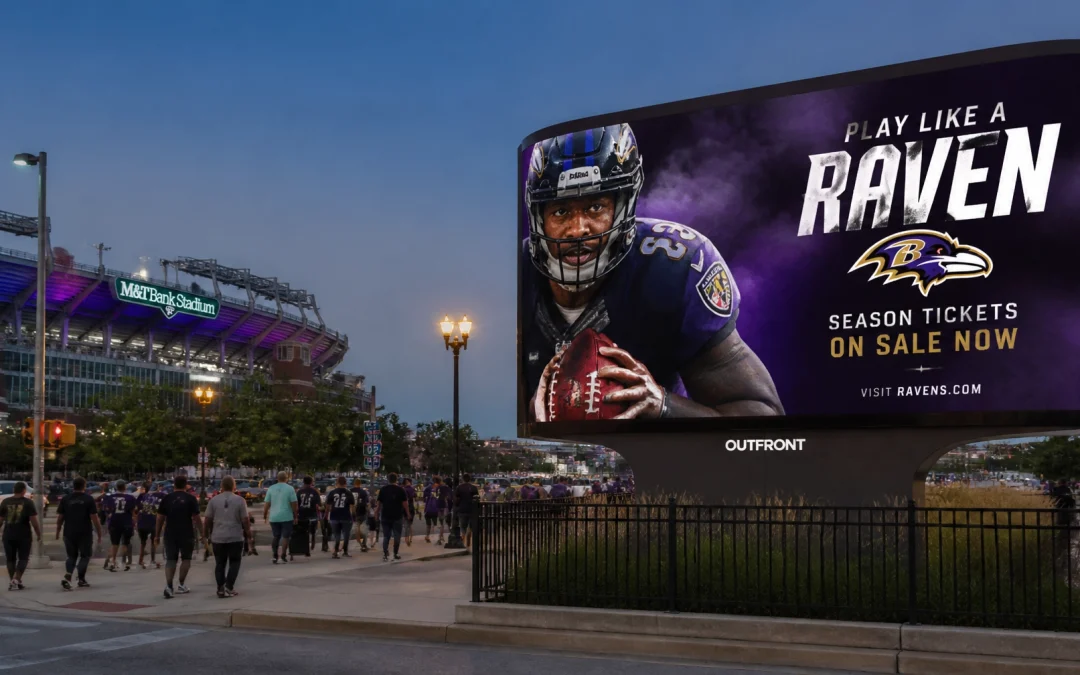
The landscape of sports marketing is undergoing a significant transformation as digital out-of-home (DOOH) advertising evolves into a cornerstone of omnichannel strategy. For media buyers, brand managers, and chief marketing officers, understanding the shift toward data driven, programmatic execution is no longer optional. This newsletter outlines the critical trends, technological advancements, and measurable outcomes currently shaping the DOOH sports network.
The Surge of Programmatic DOOH (pDOOH)
Programmatic digital out-of-home advertising has transitioned from a specialized tactic to a primary channel for high impact brand campaigns. Industry data indicates that pDOOH investment is projected to grow by 44 percent over the next 18 months. Currently, programmatic delivery features in approximately 34 percent of campaigns, but this figure is expected to reach nearly half of all outdoor advertising initiatives by the end of the next fiscal cycle.
This growth is largely fueled by a reallocation of budgets from traditional digital channels. Recent reports suggest that 95 percent of advertisers planning to increase their pDOOH spend will pull those funds from online video, social media, and other standard digital environments. The movement toward pDOOH reflects a growing demand for the precision of digital targeting combined with the unblockable, high visibility nature of physical signage.
Dynamic Creative Optimization (DCO) in Sports
One of the most powerful technological levers in the modern DOOH toolkit is Dynamic Creative Optimization. This technology allows creative assets to change in real time based on external data triggers. In the context of sports, these triggers include live scores, game clock status, player statistics, and even weather conditions at the stadium.
A notable application of this technology was seen in a campaign for HP during a major football tournament. By utilizing DCO to sync creative messaging with live match data, the brand achieved an ad recall rate between 38 percent and 40 percent. This performance significantly outperformed the standard regional DOOH benchmark of 30 percent. Among tech-affine audiences, brand awareness reached a staggering 70 percent. This level of relevance is achieved because the advertisement ceases to be a static message and becomes a part of the real-time fan experience.

AI-Driven Planning and Audience Targeting
Artificial Intelligence is now the primary engine behind media planning and audience segmentation in the DOOH sector. Rather than buying broad loops on a set of screens, AI allows planners to identify "high-density" windows where specific target demographics are most likely to be present.
For sports venues, this involves sophisticated proximity targeting. Campaigns can be configured to activate only within a 3-mile radius of a stadium, ensuring that every impression is delivered to a high-intent fan or attendee. AI analysis of mobile location data helps refine these perimeters even further, identifying the transit routes and gathering points most frequented by fans before and after a game. This precision ensures that media spend is not wasted on low-traffic periods or irrelevant locations.
Omnichannel Integration and Mobile Retargeting
The effectiveness of DOOH is multiplied when it is integrated into a broader digital ecosystem. A primary strategy involves using device IDs exposed to a digital billboard to retarget those same individuals on their mobile devices later in the day. This creates a powerful reinforcement loop.
A fan might see a high-impact advertisement on a large digital board while walking toward the stadium. Later, while checking scores or browsing social media during halftime, they receive a synchronized mobile ad. This omnichannel approach provides a bridge between the physical awareness generated by OOH Sports and the direct response capabilities of mobile platforms. Studies consistently show that consumers are more likely to engage with a mobile ad if they have already been primed by an out-of-home creative in a premium physical location.

Strategic Case Studies: Measurable Impact
Data from across the industry validates the strategic shift toward sports-focused DOOH. The following examples highlight the potential for significant return on investment when strategy is aligned with execution.
Bergenbier: Sales Lift through Event Linkage
The beverage brand Bergenbier utilized event-triggered DOOH to connect with fans during peak consumption periods. By aligning their messaging with the excitement of match days, the brand reported a 66 percent lift in sales. This outcome demonstrates how proximity to sports venues and timely messaging can directly influence purchasing behavior at nearby retail locations.
Stockport County FC: Revenue Diversification
Professional sports organizations are also leveraging these networks to drive internal growth. Stockport County FC implemented a modern DOOH strategy that resulted in a 25 percent increase in revenue. By treating their perimeter and local signage as high-value digital inventory, the club was able to attract premium advertisers and improve the overall commercial value of their physical assets.
HP: Brand Relevance and Sales Impact
Beyond the football campaign previously mentioned, another HP initiative in a different market utilized pDOOH to drive commercial outcomes. This effort resulted in a 12 percent sales lift and an ad recall rate of 41 percent. This places the campaign in the top 5 percent of industry benchmarks, illustrating that programmatic DOOH is as effective for driving retail movement as it is for building brand equity.
Tactical Logistics: Pricing and Protection
Understanding the mechanics of the buy is essential for effective planning. Current CPM (cost per thousand impressions) rates for the OOH Sports Network typically range from $5 to $30. This variability allows for flexible planning, from broad awareness plays to highly targeted, premium placements near major league arenas.
Furthermore, modern platforms now offer "weather protection" or "rainout protection." For outdoor campaigns heavily dependent on game-day attendance, advertisers can set parameters that automatically pause or shift spending if a game is canceled or if inclement weather significantly reduces foot traffic. This level of control ensures that budgets are only deployed when conditions are optimal for audience engagement.
Curated Marketplaces and Simplified Buying
Historically, buying out-of-home media across multiple markets was a fragmented and time consuming process. The rise of curated marketplaces has simplified this logistics chain. Media planners can now access a unified network of digital video advertising boards across every category through a single platform.
By consolidating inventory from various providers into a curated sports network, brands can execute national or multi-city campaigns with the same ease as a standard programmatic display buy. This centralization allows for better reporting, more consistent creative delivery, and streamlined attribution modeling.

Conclusion: The Path Forward for Media Planners
The integration of pDOOH into the sports marketing mix provides a level of agility and measurement previously unavailable in traditional outdoor advertising. By utilizing real-time data, AI-driven targeting, and omnichannel retargeting, brands can ensure their message is delivered with maximum impact during the moments that matter most to fans.
As the industry moves toward a standard where half of all campaigns include a programmatic DOOH component, early adopters of these technologies will likely see the greatest advantage in brand preference and market share. The combination of high-stakes sports environments and high-tech digital delivery remains one of the most effective strategies for capturing the attention of the modern consumer.
Contact Information and Engagement
For more information on building a custom DOOH sports network or to inquire about current inventory around specific stadiums, visit our website or contact our leadership team directly.
- Website: www.oohsports.com
- Phone: +1 (970) 703-0102
- CEO: Dan Kost
How is your brand integrating programmatic DOOH into your current sports marketing strategy? We invite you to share your insights or questions in the comments below to join the conversation within the DOOH sports community.
#DOOH #SportsMarketing #ProgrammaticAdvertising #AdTech #OOHSports #FanEngagement #MediaPlanning