
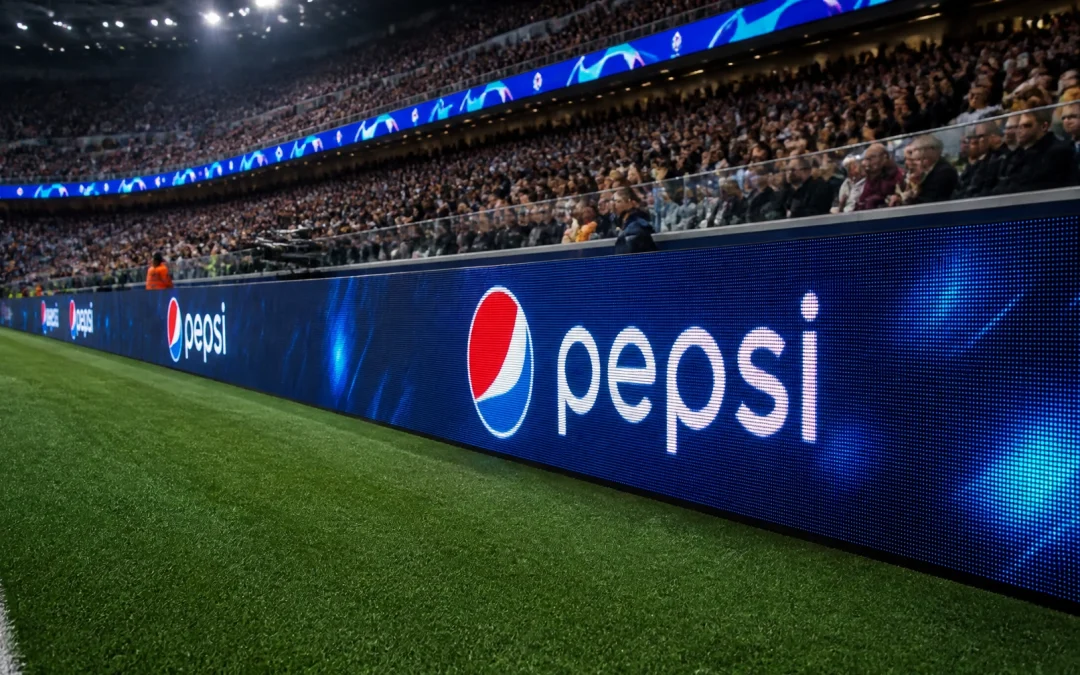
Stadium perimeter advertising has moved far beyond the static wooden boards of the past. In the modern sports landscape, these digital displays serve as the connective tissue between the live action on the field and the digital world in the palm of a fan’s hand. For brand managers and chief marketing officers, the stadium perimeter represents a high-impact zone where attention is guaranteed and emotional engagement is at its peak.
The shift toward dynamic LED technology and programmatic DOOH has transformed how brands interact with captive audiences. This evolution is not just about visibility; it is about creating a seamless brand presence that follows the fan from the stadium seat to the mobile screen and beyond.
Strategy: The 10-Mile Digital Perimeter
A successful stadium advertising strategy extends the brand's reach well beyond the physical stadium walls. The objective is to surround the fan journey at every touchpoint. By utilizing a digital network that covers a 10-mile radius around major sports venues, brands can maintain a consistent message before, during, and after the event.

This "surround sound" approach to OOH sports advertising ensures that the message seen on the perimeter boards inside the arena is reinforced by digital billboards, transit displays, and retail screens throughout the local area. This geographical targeting allows for a high frequency of impressions among a concentrated group of high-value consumers, making the brand synonymous with the game-day experience.
The logistics of this strategy involve coordinating multiple digital inventory types. By aligning perimeter boards with surrounding outdoor media, a brand creates an immersive environment. This method captures the attention of fans who are already in a heightened state of excitement, leading to better memory encoding and long-term brand affinity.
Objective & Strategy: Strengthening Brand Presence
The primary objective of stadium perimeter advertising is to embed a brand into the emotional fabric of a sporting event. Unlike traditional commercials that interrupt the content, perimeter ads exist within the live action. This non-intrusive placement ensures that the brand is visible during the most critical moments of a match, such as goals, touchdowns, or final-second plays.
When a brand appears on the LED boards during a high-stakes moment, it benefits from a "trust transfer." Fans subconsciously associate the brand with the positive emotions and excitement of the game. To maximize this impact, creative directors focus on high-contrast visuals and concise messaging that can be processed in seconds.
Tactics for Enhancing Fan Engagement
- Contextual Messaging: Aligning creative content with the specific phase of the game (e.g., "half-time specials" or "victory celebrations").
- Second-Screen Integration: Using the perimeter boards to drive fans toward social media or mobile apps.
- Real-Time Data: Displaying live stats or scores alongside brand logos to add value to the fan experience.
- Visual Movement: Utilizing subtle animations that draw the eye without distracting from the game.

Fan engagement is further amplified through the "second-screen" phenomenon. Most fans in the stands or watching at home use a mobile device simultaneously. Stadium perimeter advertising acts as a visual prompt, encouraging fans to search for the brand or participate in social conversations in real-time.
Technology Partners and Execution
Executing a high-level perimeter campaign requires sophisticated technology partners and a robust digital infrastructure. The transition to programmatic platforms allows media buyers to purchase stadium inventory with the same precision as online ads. This technology enables real-time updates and creative rotations, ensuring the content remains fresh and relevant throughout the event.
By partnering with networks that offer scale and technical fluency, brands can manage complex campaigns across multiple venues simultaneously. These platforms provide the tools necessary for creative directors to deploy dynamic content that reacts to game triggers, such as a weather delay or a specific score, making the advertising feel like an organic part of the broadcast.
Results: Measuring the Impact
The success of stadium perimeter advertising is measured through a combination of high-funnel awareness and lower-funnel actions. Because the audience is captive and passionate, the metrics often outperform standard digital benchmarks. Data indicates that fans are far more likely to remember and trust brands that support their favorite teams.

Based on industry studies and campaign performance data, the impact of these strategies is clear:
- Ad Recall: Stadium venue DOOH, including LED perimeter boards, achieves an average ad recall of 86%. This is significantly higher than the 60% typically associated with traditional television advertising.
- Consumer Action: Approximately 74% of consumers take a follow-up action after exposure to a digital ad in a sports venue. This includes visiting a website, searching for the brand, or making a purchase.
- Brand Awareness: Campaigns that utilize premium stadium placements see an average increase of 15% to 25% in aided brand awareness among target demographics.
- Engagement Rates: Well-executed perimeter campaigns often reach engagement rates of 15% to 20%, which includes social media interactions and QR code scans.
These results demonstrate that fan engagement matters and that the perimeter is the premier location to capture it. The combination of high visibility and emotional resonance creates a powerful environment for brand growth.
Strategic Alignment for the Future
For media planners and brand managers, the stadium perimeter is not just a place for a logo; it is a strategic asset for building a modern brand. By leveraging the 10-mile digital perimeter and integrating with the second-screen habits of fans, brands can achieve a level of dominance that traditional media cannot match.
The integration of data-driven targeting and high-impact creative ensures that every second of game time is also a second of brand building. As the sports media landscape continues to evolve, the perimeter remains the most effective bridge from the stands to the screen, turning passive viewers into active brand advocates.