
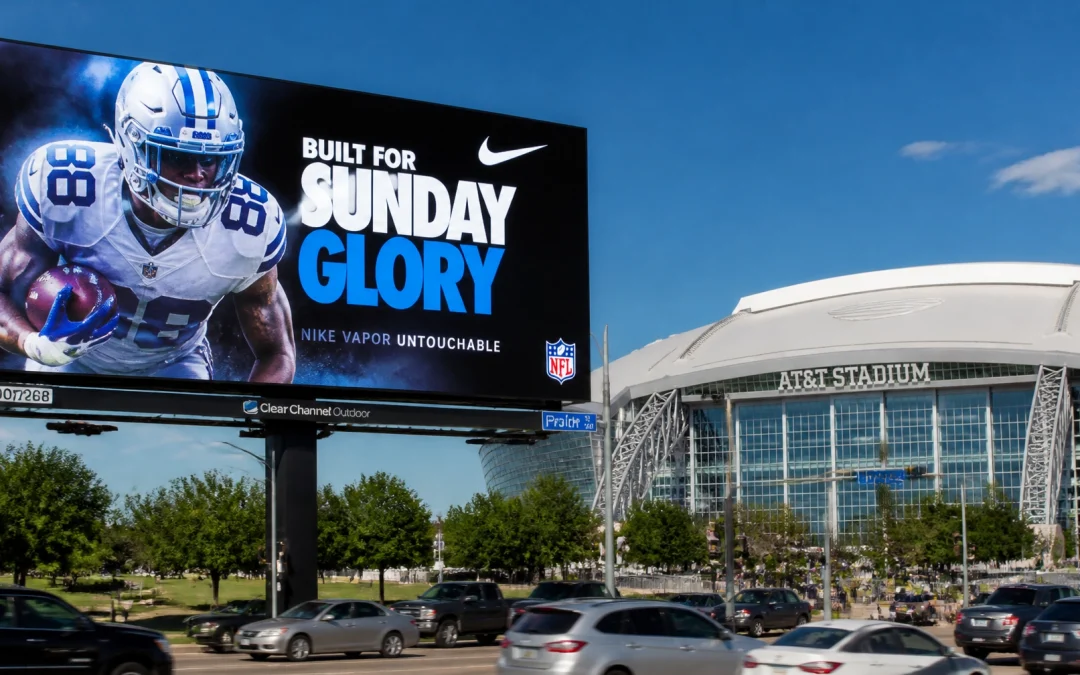
The landscape of sports marketing is undergoing a significant transformation. As traditional media continues to fragment, digital out of home (DOOH) advertising has emerged as a cornerstone for brands seeking to capture the attention of highly engaged audiences. This digest explores the strategic intersection of technology, data, and sports fan behavior, providing actionable insights for media buyers and planners who aim to maximize campaign impact within the sports ecosystem.
The Evolution of Fan Engagement in DOOH
Modern sports fans do not just watch a game. They experience it across multiple touchpoints, from the perimeter of the arena to the local sports bar and the digital screens in retail environments. This omnichannel journey provides advertisers with unique opportunities to deliver contextually relevant messages at precise moments of high emotional engagement.
Recent industry developments highlight a shift toward programmatic DOOH (pDOOH) and dynamic creative optimization (DCO). These technologies allow for real-time campaign adjustments based on external triggers such as live game scores, weather conditions, or audience density. By moving away from static placements and toward data-driven activations, brands can achieve levels of relevance and efficiency previously reserved for digital display advertising.
Strategy: Leveraging Event-Triggered Activations
One of the most effective tactics in sports DOOH is the use of event-triggered creative. By synchronizing ad delivery with the rhythm of a live match, brands can capitalize on the peaks of fan attention. This strategy requires a robust technology stack capable of ingesting live data feeds and deploying specific creative assets instantly.
Objective and Strategy
The primary objective of event-triggered DOOH is to associate a brand with the excitement of the sporting event, driving both immediate action and long-term brand equity. This involves setting up "if-then" logic within the ad server. For example, if a goal is scored, the creative automatically switches to a celebratory message.
Technology Partners
Success in this area relies on seamless integration between data providers (sports stats feeds) and DOOH platforms. Partners that offer real-time dynamic creative capabilities are essential for executing these high-precision campaigns.
Results: Bergenbier Case Study
A notable example of this strategy is the campaign executed by Bergenbier. By using retail-integrated DOOH and football-triggered creative, the campaign targeted shoppers in hypermarkets during match days.
- Strategy: Digital screens were placed in-store near beverage aisles and checkout lanes. Creative assets changed in real-time based on live game moments and match timings.
- Results: The campaign delivered a 66% sales lift during match days compared to pre-campaign benchmarks. Furthermore, a 56% sustained sales uplift was observed after the campaign concluded, whereas control stores without DOOH saw a 22% sales decline during the same period.

Strategy: Maximizing Stadium Perimeter Impact
Stadium perimeter advertising remains a vital asset for brands looking to reach both the in-person crowd and the millions of viewers watching on television or streaming platforms. The transition from static boards to high-definition digital displays has unlocked new revenue streams and engagement possibilities for sports clubs and their partners.
Objective and Strategy
The goal is to provide a premium, high-visibility environment that allows for multiple sponsors to share a single, high-impact space throughout the duration of an event. This strategy utilizes high-contrast visuals and rapid-fire messaging to maintain brand presence amidst the fast-moving action on the field.
Results: Stockport County FC
The implementation of digital perimeter technology at Stockport County FC serves as a prime example of the financial and strategic benefits of modernizing stadium infrastructure.
- Strategy: Traditional static signage was replaced with a sophisticated digital DOOH network around the stadium perimeter.
- Results: This shift led to a 25% revenue increase from stadium perimeter DOOH, as the club was able to accommodate more partners and offer more dynamic, eye-catching advertising slots.

Strategy: Programmatic Precision and Purchase Consideration
Programmatic DOOH allows media buyers to purchase inventory with the same level of granularity as digital ads. By utilizing audience data and location-based targeting, brands can ensure their message is seen by the right person at the right time, rather than relying on broad, non-specific placements.
Objective and Strategy
For brands in competitive categories, such as ready-to-drink (RTD) beverages, the objective is often to move consumers from awareness to consideration. The strategy involves identifying key locations where target demographics congregate, such as urban panels near bars or transit hubs on the way to the stadium.
Results: White Claw
The use of programmatic DOOH has proven particularly effective for brands like White Claw, which require high frequency and precise targeting to maintain market leadership.
- Strategy: A programmatic DOOH campaign was deployed to target young legal-age drinkers across multiple venue types during peak social hours.
- Results: The data-driven approach resulted in a 74% lift in purchase consideration, demonstrating the power of pDOOH to influence consumer decision-making in the mid-funnel.
Strategy: Dynamic Creative for Awareness and Recall
In a saturated media environment, the ability of a campaign to stand out and be remembered is a key metric of success. Dynamic Creative Optimization (DCO) allows brands to tailor every element of the ad, from the copy to the imagery, based on the specific location and context of the screen.
Objective and Strategy
The objective is to maximize ad recall by making the content as relevant as possible to the viewer’s current environment. This strategy was utilized during major international football tournaments to connect global brands with local fanbases.
Results: HP
HP leveraged DCO-powered DOOH during a major football tournament to maintain top-of-mind awareness among tech-savvy sports fans.
- Strategy: Creative elements were dynamically updated to reflect local match results, upcoming fixtures, and player highlights.
- Results: The campaign achieved a 40% ad recall rate and a 70% brand awareness score among the exposed audience. These metrics underscore the effectiveness of DCO in creating memorable brand experiences during high-traffic events.

Actionable Takeaways for Media Buyers
To stay ahead in the evolving DOOH landscape, advertising professionals should consider the following steps when planning upcoming sports-related campaigns:
- Prioritize Data Integration: Ensure that campaign technology can ingest real-time data feeds. This is the foundation for event-triggered and dynamic creative.
- Evaluate Programmatic Options: Utilize pDOOH to gain flexibility in budget allocation and targeting. This allows for a more efficient spend by focusing on high-value moments.
- Focus on the 10-Mile Perimeter: Targeting the area within a 10-mile radius of sports venues ensures that the message reaches fans before, during, and after the game.
- Measure Beyond Impressions: Look for opportunities to conduct brand lift studies or sales attribution analyses. Data from campaigns like Bergenbier proves that DOOH has a direct impact on the bottom line.
- Optimize for Venue Type: A digital screen in a gym requires a different creative approach than a highway billboard or a screen in a sports bar. Tailor the creative to the specific environment.
Industry Opportunities and Future Outlook
The growth of the OOH Sports Network indicates a robust future for specialized digital advertising. As more venues, including casual dining locations, office buildings, and transportation hubs, adopt digital signage, the opportunities for granular targeting will only increase. Brands that adopt these innovations early will be better positioned to build lasting connections with the passionate community of sports fans across America.
Engagement Prompts
- Which of these case studies most closely aligns with your current marketing objectives?
- What is the biggest challenge your brand faces when trying to engage fans outside of the stadium?
- How are you planning to incorporate programmatic DOOH into your 2026 strategy?
- Would your team benefit from a detailed walkthrough of real-time trigger implementation?
Want more insights like this? Subscribe at www.oohsports.com.
Questions or partnerships? Call our AI Receptionist at +1 (970) 703-0102.
Dan Kost, CEO, OOH Sports.
If this helped you, please comment, subscribe, and share.
#Motivation #Branding #Strategy #Marketing #AdvertisingAndMarketing #digitalmarketing #Innovation #Sports #DOOH #sportsmarketing #stadiumsignage