
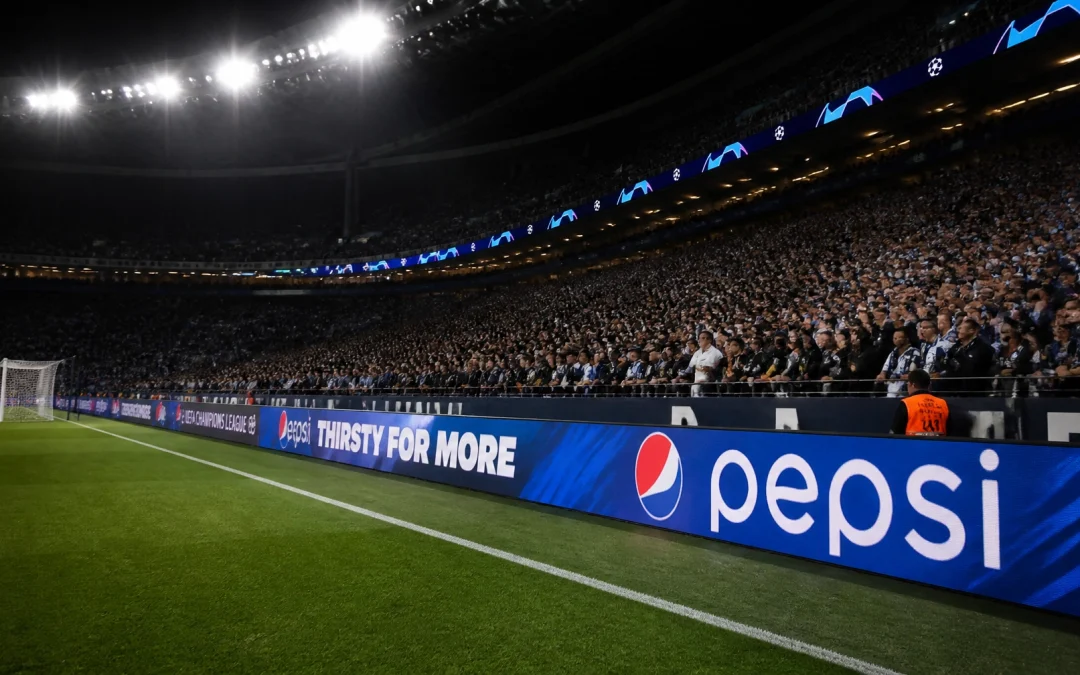
The landscape of sports marketing has undergone a fundamental transformation, moving away from static placements toward a highly interconnected, data-driven ecosystem. As digital out-of-home (DOOH) technology matures, the ability to engage sports fans is no longer limited to the duration of a game or the confines of a stadium. Instead, successful campaigns now leverage a sophisticated network of digital screens that follow the fan journey from their morning commute to the final whistle and beyond.
This edition of industry insights explores the primary trends currently reshaping sports advertising, focusing on how programmatic execution, hyper-local targeting, and dynamic creative are delivering unprecedented value for media planners and brand managers.
Strategy: The Shift Toward Programmatic Centrality
The most significant trend within the sector is the normalization of programmatic DOOH (pDOOH). What was once considered an experimental innovation has become the default transaction model for sophisticated advertisers. By utilizing automated buying through demand-side platforms (DSPs), brands can now manage DOOH with the same precision and flexibility as their digital and social media budgets.
This transition allows for real-time agility. Advertisers are no longer locked into rigid, long-term contracts for specific billboards. Instead, they can activate screens based on specific triggers such as match schedules, live weather conditions, or even fluctuating stadium attendance levels. This strategy ensures that impressions are only purchased when and where they are most valuable, maximizing return on ad spend.
According to industry forecasts, programmatic DOOH is expected to command a significant majority of the total DOOH spend in the coming years. For sports marketers, this means the ability to scale campaigns up or down instantly. If a local team makes a surprise playoff run, a brand can launch a city-wide campaign in hours rather than weeks, capturing the heightened emotional engagement of the local fan base.
Objective & Strategy: Dominating the 10-Mile Radius
While city-wide reach is valuable, the most impactful sports campaigns prioritize hyper-locality. The "10-mile stadium strategy" has emerged as a cornerstone of modern sports advertising. This approach focuses on saturating the digital ecosystem within a tight perimeter around sports venues on game days.

The objective is to create a sense of brand omnipresence. By securing inventory across transit hubs, parking facilities, sports bars, and convenience stores within this radius, brands can engage fans at multiple touchpoints. The new playbook for sports DOOH innovation highlights how this level of saturation transforms traditional advertising into an immersive brand experience.
Logistics and Execution
The execution of a 10-mile perimeter campaign involves several key steps:
- Identifying high-traffic transit routes used by fans traveling to the venue.
- Selecting retail partners within the radius, such as grocery stores and gas stations, for point-of-purchase messaging.
- Deploying high-visibility screens in pedestrian fan zones and near stadium entrances.
- Synchronizing creative delivery with peak arrival and departure times to ensure maximum visibility.
This strategy effectively turns the entire neighborhood surrounding a stadium into a brand’s biggest win.
Technology Partners: The Power of Dynamic Creative Optimization (DCO)
The effectiveness of DOOH in 2026 is largely driven by Technology Partners who enable Dynamic Creative Optimization (DCO). DCO allows ads to change in real time based on external data signals. In the sports context, these signals often include live scores, game clocks, player performance, and even the "vibe" of the crowd.

For example, a beverage brand can serve a "get ready for the game" creative two hours before kickoff. If the home team wins, the screens can automatically pivot to a celebratory "congratulations" message within seconds of the final buzzer. Conversely, if the game is a close nail-biter, the creative can feature live score updates to maintain utility and relevance.
Using specialized platforms, advertisers can integrate first-party data or live sports feeds directly into their creative assets. This removes the need for manual creative swaps and ensures that the messaging is always contextually relevant. This level of technical fluency is what separates modern sports DOOH from traditional outdoor advertising.
Retail Media Integration: Capturing the Point of Purchase
A growing trend is the integration of sports-themed DOOH within retail media networks. Brands are increasingly recognizing that the fan journey includes a stop for snacks, drinks, or merchandise before the game. By placing digital screens at the point of sale in convenience stores and supermarkets, advertisers can influence purchasing decisions at the exact moment of intent.

Tactical Advantages
- Contextual Pushing: Promoting game-day bundles (e.g., beverages and snacks) hours before a major event.
- Inventory Management: Using programmatic triggers to stop ads if a promoted product is out of stock in a specific location.
- Localized Offers: Tailoring promotions based on the local team's fan base in that specific neighborhood.
This retail connection bridges the gap between brand awareness and actual sales, providing a clear path to conversion that was previously difficult to track in out-of-home advertising.
Results: Measuring Impact and Attribution
The shift toward digital has brought much-needed transparency to OOH measurement. Success is no longer gauged solely by estimated impressions; instead, modern campaigns are evaluated using rigorous brand lift studies and attribution modeling.
Quantifiable Outcomes
When examining the transformation of sports marketing, several key metrics have emerged as industry standards:
- Brand Preference Rating: Campaigns utilizing dynamic creative often see a 15% to 25% increase in brand favorability compared to static campaigns.
- Foot Traffic Uplift: By matching device IDs exposed to DOOH with store visits, retailers have reported increases in foot traffic ranging from 10% to 18% during game-day activations.
- Retargeting Efficiency: Retargeting audiences exposed to stadium DOOH on their mobile devices has shown to increase mobile click-through rates (CTR) by up to 3x compared to non-exposed audiences.

Measurement partners now allow for "closed-loop" attribution. By analyzing the movement patterns of fans who were exposed to a specific perimeter screen and then later made a purchase or downloaded an app, advertisers can prove the direct impact of their DOOH investment. This data-backed approach provides the credibility required by CMOs and media buyers to justify larger allocations toward the OOH Sports network.
Omnichannel Synergy: The Mobile-DOOH Handoff
Another critical trend is the seamless handoff between DOOH and mobile platforms. Because fans are almost always carrying a smartphone, DOOH serves as the "top-of-funnel" awareness builder that triggers subsequent mobile engagement.
Sequential storytelling is a powerful tactic here. A fan might see a teaser for a new team jersey on a transit screen. Later, while waiting in line at the stadium, they receive a push notification or social media ad with a "buy now" link for that same jersey. This omnichannel approach ensures the brand stays top-of-mind throughout the entire fan experience.
Conclusion: Preparing for the Future of Fan Engagement
The DOOH industry is no longer about simply being "outdoors." It is about being "in context." For brands looking to capitalize on the passion of sports fans, the opportunity lies in the combination of programmatic agility, hyper-local precision, and dynamic storytelling.
By focusing on the perimeter surrounding arenas and leveraging real-time data, advertisers can move beyond simple visibility and toward true fan engagement. The trends of 2026 suggest that the most successful brands will be those that view DOOH not as a standalone channel, but as a vital, connected component of a broader, data-driven marketing strategy.
As technology continues to evolve, the link between the physical and digital worlds will only strengthen, offering even more sophisticated ways to turn spectators into loyal brand advocates.