
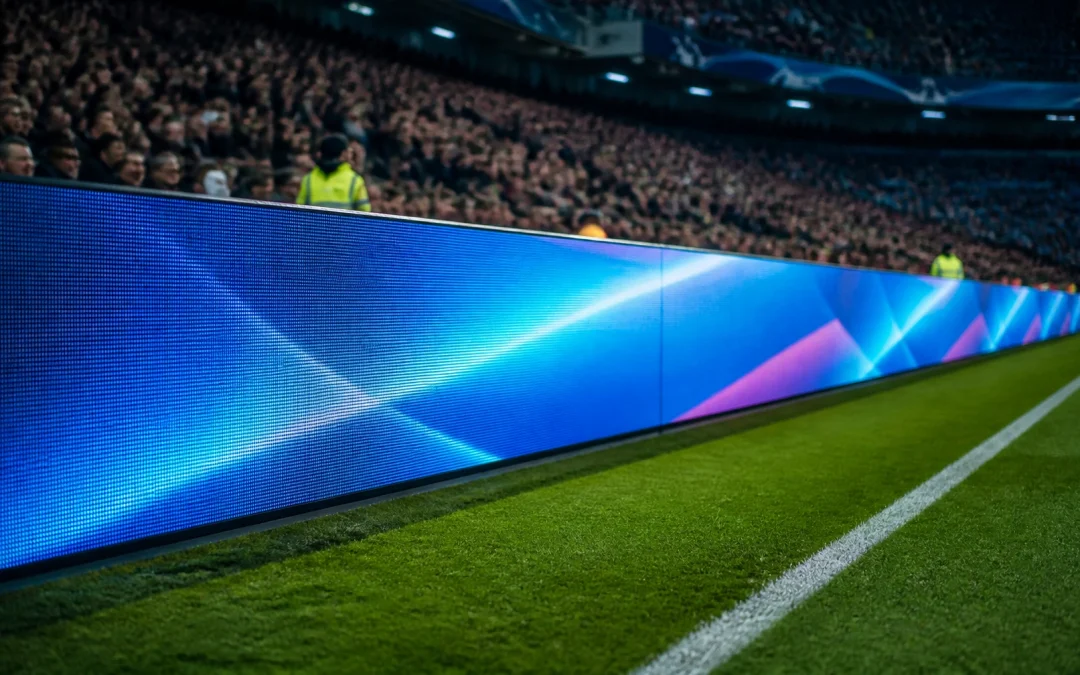
The modern sports stadium has evolved into a sophisticated technological hub where fan attention is the primary currency. For brand managers and chief marketing officers, the challenge is no longer just reaching an audience, but capturing engagement within an environment saturated with stimuli. Traditional static signage is increasingly overlooked in favor of dynamic, high-impact digital solutions that integrate seamlessly into the live game experience.
Stadium perimeter advertising, specifically through digital out of home (DOOH) networks, has emerged as a cornerstone of successful sports marketing. By leveraging the perimeter boards that line the field of play, brands gain access to some of the most valuable real estate in the media landscape. This strategy transcends simple visibility; it capitalizes on the heightened emotional state of fans to drive measurable results.
Strategy: The Power of the Integrated Perimeter Network
The core strategy behind effective fan engagement lies in the creation of a comprehensive digital network. This is not limited to the boards visible on the field. A sophisticated approach involves a digital out of home sports network that provides access to all digital video advertising boards within every category of a sports venue.
A key component of this strategy is the 10-mile perimeter rule. By securing digital inventory within a 10-mile radius of sports venues, brands can create a continuous narrative that begins long before a fan enters the stadium and continues well after the final whistle. This omnichannel approach ensures that the brand remains top of mind during the entire game-day journey.

The integration of perimeter boards with surrounding digital out of home inventory creates a halo effect. When a fan sees a brand on the pitch-side LED boards and subsequently encounters the same brand on a digital screen at a nearby sports bar or transit hub, the reinforcement strengthens brand recall. Studies indicate that dynamic perimeter advertising can achieve a 20 percent increase in brand recall compared to static imagery.
Objective and Strategy: Emotional Resonance and Continuous Visibility
The primary objective of stadium perimeter advertising is to align a brand with the peak emotional moments of a sporting event. Unlike traditional commercial breaks that interrupt the action, perimeter boards are part of the action. They are visible during goals, touchdowns, and critical defensive plays, ensuring that the brand is associated with the excitement and passion of the game.
Strategic placement on LED perimeter boards offers continuous in-game presence. This is particularly valuable for reaching broadcast audiences. For instance, data from international sports leagues shows that just one minute of perimeter advertising can result in approximately 156 minutes of global on-screen visibility due to replays, highlight reels, and social media clips. This "bonus broadcast time" significantly lowers the effective cost per impression.
To maximize this visibility, the following tactics are employed:
- Synchronized Messaging: Aligning the creative on perimeter boards with ribbon boards and the main scoreboard to create a dominant brand "takeover."
- Contextual Creative: Using real-time data to update ad copy based on game events, such as a "Power Play" message for a beverage brand during a hockey game.
- High-Contrast Visuals: Designing creative specifically for LED technology to ensure visibility under both bright stadium lights and night-time conditions.
Technology Partners: Programmatic DOOH and Advanced Measurement
The transition from manual buying to programmatic DOOH has revolutionized how stadium perimeter advertising is executed. Technology partners provide the infrastructure to bid on inventory in real time, allowing brands to be agile and responsive to the sports calendar.
By utilizing programmatic platforms, media planners can target specific demographics based on the event profile. This ensures that a luxury automotive brand is showcased during a tennis tournament, while a sports drink brand is prioritized during a marathon or high-intensity football game. The use of AI and real-time data enables a level of precision that was previously unattainable in out of home advertising.
Measurement is another area where technology partners have closed the gap between OOH and digital marketing. Brands now rely on sophisticated attribution models to prove ROI:
- Device ID Tracking: Identifying mobile devices exposed to stadium advertising to track subsequent online behavior.
- Brand Lift Studies: Conducting surveys with exposed versus control groups to measure shifts in awareness and purchase intent.
- Geo-fencing: Retargeting fans who were within the stadium perimeter with mobile display ads to drive lower-funnel conversions.

Research shows that campaigns integrating stadium perimeter ads with mobile retargeting achieve 15 percent higher conversion rates than those using stadium signage alone. This synergy between the "big screen" and the "small screen" is a fundamental driver of modern fan engagement.
Execution: Creating a Seamless Fan Experience
Successful execution requires a deep understanding of the fan's mindset. The goal is to be a part of the environment rather than a distraction from it. This is achieved through non-interruptive integration. When advertising is woven into the fabric of the game, it avoids the negative sentiment often associated with traditional ad interruptions.
In many cases, the most effective perimeter ads provide utility. This might include displaying live scores, player statistics, or game clocks alongside brand logos. This keeps fans' eyes on the boards, increasing the time spent with the brand. According to recent engagement studies, 62 percent of audiences exposed to sports-adjacent DOOH campaigns engage meaningfully with the content, such as through word-of-mouth or website visits.

The logistics of execution involve coordinating with multiple venue operators and technology providers. By centralizing the buying process through a specialized sports media network, brands can ensure consistency across dozens of different stadiums and arenas, regardless of the local technology provider.
Results: Quantifying the Impact of Perimeter Advertising
The effectiveness of stadium perimeter advertising is reflected in the data. While visibility is a significant factor, the true value lies in how it moves the needle for brand preference and purchase consideration.
Multiple case studies highlight the following results:
- Purchase Consideration: A leading hard seltzer brand reported a 7.4 percent lift in purchase consideration following a programmatic DOOH campaign centered around sports venues.
- Brand Image: A major beverage company saw an 11.9 percent lift in positive brand image by utilizing a strategy that synchronized perimeter boards with local watch party environments.
- Aided Awareness: Premium stadium placements regularly deliver between 15 and 25 percent increases in aided brand awareness within targeted demographics.
The impact of this medium is particularly strong among "heavy fans": those who attend or watch almost every match. This segment of the audience often perceives brands associated with their favorite teams as more innovative and trustworthy. For these fans, the perimeter board is not just an ad; it is a sign of support for the sport they love. Detailed guides on winning over fans emphasize that long-term loyalty is built through this repeated, positive exposure in high-emotion contexts.
Summary of Strategic Benefits
The shift toward digital perimeter advertising represents a fundamental change in sports marketing. By moving away from static placements and toward a data-driven, programmatic approach, brands can achieve a level of engagement that traditional media cannot match.
The benefits of this strategy are clear:
- Unparalleled Visibility: Dominating the field of play and capturing global broadcast impressions.
- Emotional Connection: Leveraging the "peak state" of fans during live action.
- Measurable ROI: Utilizing device IDs and brand lift studies to quantify success.
- Extended Reach: Using the 10-mile perimeter rule to capture fans at watch parties and transit hubs.
In an era where consumers are increasingly adept at avoiding advertisements, stadium perimeter advertising stands as a rare example of a medium that is both high-impact and welcomed by its audience. For creative directors and CMOs looking to make a lasting impression, it is no longer an optional tactic. It is a game-changing necessity.