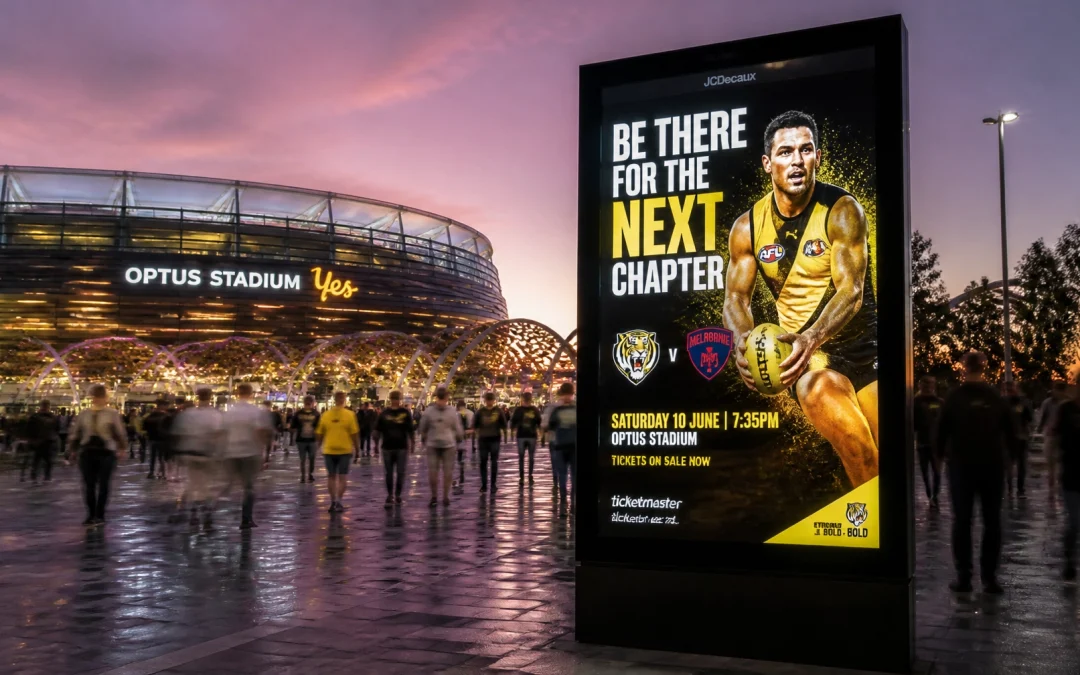
The landscape of sports marketing is undergoing a significant transformation as brands move beyond static placements toward dynamic, data-driven experiences. Digital Out-of-Home (DOOH) advertising has emerged as a cornerstone of this shift, offering an unprecedented level of precision and engagement for media buyers and brand managers. By leveraging the physical environment surrounding sports venues, innovative DOOH strategies are now capable of capturing fan attention in the moments that matter most.
The integration of technology into outdoor advertising allows for a seamless connection between the physical and digital worlds. This evolution is not merely about replacing paper with pixels. It is about creating a responsive infrastructure that reacts to live game data, audience movement, and local context. As a result, sports DOOH has become an essential tool for brands looking to achieve high-impact reach while maintaining measurable results.
Strategy: The Hyper-Local Advantage and the 10-Mile Radius
A fundamental shift in sports DOOH innovation is the adoption of hyper-local targeting. Rather than executing broad, city-wide campaigns, sophisticated brand managers are prioritizing a strategic radius around sports arenas and stadiums. This approach focuses on the immediate environment where fan density is highest, typically extending up to 10 miles from the venue.
This perimeter-based strategy ensures that impressions are delivered to a highly relevant audience. Fans traveling to the game, gathering at local hospitality venues, or passing through transportation hubs are exposed to messaging that resonates with their current activity. By dominating these high-traffic corridors, brands create a sense of omnipresence during the game-day window.
The effectiveness of this localized impact is supported by data indicating that proximity to a sports event significantly enhances brand recall. When a campaign is confined to the specific pathways and hangouts frequented by fans, the frequency and relevance of the message increase, leading to higher engagement rates compared to traditional mass-media buys.

Technology Partners: Programmatic DOOH and Dynamic Creative
The rise of programmatic DOOH (pDOOH) has introduced a level of flexibility and automation previously unavailable in the outdoor category. Media planners can now purchase inventory based on specific triggers, such as game times, weather conditions, or even live score updates. This technical capability allows for a more efficient allocation of budget, as ads only run when the target audience is most active.
Dynamic Creative Optimization (DCO) further enhances this technology by allowing creative assets to change in real time. For instance, a campaign can transition from a "pre-game hype" message to a "live score" update during the match, and finally to a "celebratory" post-game offer. This responsiveness ensures that the creative content remains contextually relevant to the fan's emotional journey.
Technology partners are now providing the necessary APIs to sync digital screens with live sports feeds. This synchronization means that if a significant event occurs on the field, such as a touchdown or a record-breaking play, the digital displays in the surrounding area can immediately reflect that moment. This creates a powerful synergy between the live action and the brand message, positioning the advertiser as an active participant in the fan experience.
Logistics and Execution: Reaching Fans Beyond the Arena
Effective fan engagement extends well beyond the stadium walls. An innovative DOOH strategy incorporates a diverse network of screens in locations where fans naturally congregate before and after a game. This includes sports bars, fitness centers, casual dining restaurants, and quick-service retail outlets.
According to industry insights on the trends reshaping sports advertising, multi-screen engagement is a primary driver of campaign success. By utilizing the OOH Sports Network, brands can access thousands of screens across these varied categories, ensuring that the message follows the fan throughout their entire day.
- Hospitality Venues: Digital displays in bars and restaurants capture fans during peak dwell times, providing an ideal environment for longer-form creative or interactive content.
- Fitness Centers: Gyms and health clubs reach active sports enthusiasts who are likely to be highly engaged with athletic and wellness brands.
- Transportation Hubs: Screens in train stations and highway billboards reach fans during their transit to the game, creating the first touchpoint in the consumer journey.
- In-Stadium Screens: Specialized networks like Sportrons allow for direct engagement inside the arena, reaching fans when their attention is most focused on the sporting event.

Measurement and Results: Quantifying the Impact
One of the most significant advancements in modern DOOH is the ability to measure performance with precision. Digital out-of-home is no longer a "top-of-funnel only" play. Through the use of device ID tracking and location-based data, brands can now attribute real-world actions to specific ad exposures.
Brand lift studies are commonly used to measure changes in brand perception, favorability, and purchase intent. In many sports-focused campaigns, these studies have shown significant increases in brand awareness when DOOH is integrated into an omnichannel mix. Furthermore, attribution models can track foot traffic to retail locations or visits to a brand's website following exposure to a digital billboard.
The integration of programmatic DOOH platforms has simplified the process of collecting and analyzing this data. Media buyers can access real-time dashboards to monitor impressions, reach, and frequency, allowing for mid-campaign optimizations that maximize ROI. Data suggests that approximately 60% of consumers exposed to DOOH ads are more likely to take a follow-up action, reinforcing the channel's role in driving conversion.

Conclusion: Future-Proofing Sports Marketing
Innovation in sports DOOH is not a passing trend but a fundamental shift in how brands interact with audiences. By combining hyper-local targeting with real-time data and automated buying, media planners can create campaigns that are both highly efficient and deeply engaging. The ability to reach fans within a 10-mile radius of a stadium through a diverse network of digital screens ensures that a brand remains relevant throughout the entire fan journey.
As technology continues to evolve, the opportunities for creative storytelling in the outdoor space will only expand. For brand managers and media buyers, the key to success lies in embracing these digital tools to deliver messages that are as dynamic and passionate as the sports themselves. By staying ahead of DOOH industry insights, advertisers can ensure their strategies remain effective in an increasingly competitive landscape.
Want more insights like this? Subscribe at www.oohsports.com.
Questions or partnerships? Call our AI Receptionist at +1 (970) 703-0102.
Dan Kost, CEO, Sports Media.
If this helped you, please comment, subscribe, and share.