
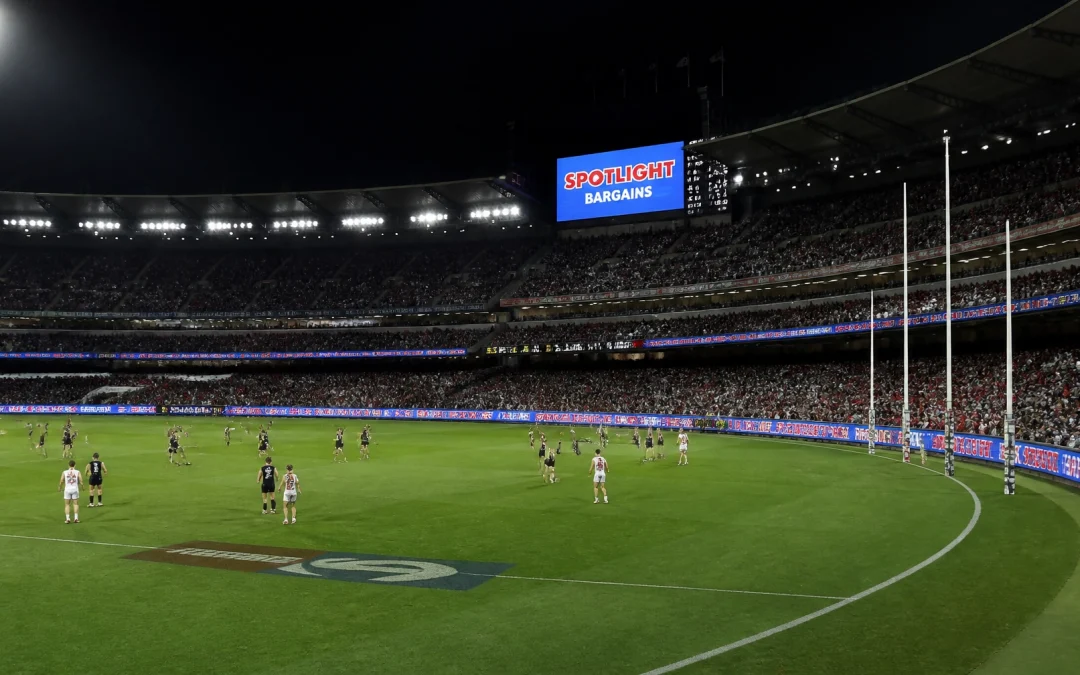
In the modern landscape of sports marketing, brands constantly seek avenues to cut through digital fatigue and connect authentically with audiences. Traditional static banners have largely given way to dynamic, high-definition digital displays. Among these, stadium perimeter advertising stands out as a premier touchpoint. By transforming field boundaries into vibrant brand stages, organizations capture the peak attention of spectators during high-stakes moments. This approach anchors comprehensive fan engagement campaigns that bridge physical arenas with digital ecosystems.
Objective and Strategy: Maximizing Visual Saturation
The primary goal of stadium perimeter advertising is to achieve visual saturation while maintaining high contextual relevance. Unlike isolated commercial breaks during a broadcast, perimeter boards operate continuously within the spectator's natural field of view.
- Constant Line of Sight: Perimeter displays sit directly along the playing surface, ensuring brand exposure during pivotal plays, goals, and replays when viewer emotion peaks.
- Dual Audience Impact: Campaigns simultaneously reach thousands of passionate fans inside the venue and millions watching via television or live streaming broadcasts.
- Creative Rotation: Modern LED systems allow brands to cycle through multiple creative messages, keeping visual assets fresh without losing core brand recognition.
Through strategic placement and consistent repetition, brands build familiarity and affinity among supporters. According to industry analyses explored on platforms like OOH Sports, integrating perimeter boards into broader media strategies significantly increases overall brand recall compared to static signage.

Technology Partners and Programmatic DOOH Integration
Executing a successful stadium perimeter campaign requires robust technical infrastructure and seamless programmatic integration. Modern sports venues rely on sophisticated content management systems and digital out-of-home (DOOH) platforms to manage dynamic creative delivery.
- Real-Time Data Feeds: Perimeter boards synchronize with live game data, allowing campaigns to respond dynamically to match events such as score changes, player milestones, or sudden momentum shifts.
- Programmatic Execution: Media buyers utilize specialized demand-side platforms to automate ad delivery, ensuring precise synchronization across stadium displays and regional DOOH networks.
- Omnichannel Synergy: Campaigns often link stadium perimeter ads with surrounding out-of-home assets within a ten-mile radius of the venue, capturing fans as they arrive and depart.
As detailed in discussions on DOOH trends reshaping fan engagement, programmatic capabilities allow marketers to scale campaigns across multiple venues with unprecedented speed and operational efficiency.
Driving Fan Engagement Through Interactive Tactics
Passive exposure represents only the first layer of modern sports marketing. Leading brands leverage stadium perimeter advertising to actively spark fan engagement by connecting physical viewing experiences with digital second-screen behavior.
- QR-Driven Journeys: Embedding clean, scannable QR codes into perimeter creative directs fans instantly to exclusive digital content, mobile contests, or brand applications.
- Second-Screen Integration: Fans engaging with live statistics or social media feeds on mobile devices encounter consistent messaging that reinforces the in-stadium experience.
- Event-Triggered Offers: Flash promotions activated by specific match events, such as a team scoring within the first half, drive immediate digital interactions and conversions.
This seamless integration transforms passive viewers into active participants. When brands align their messaging with the collective excitement of the stadium, audience receptivity increases substantially. Further insights into comparative campaign effectiveness can be found in analyses on programmatic DOOH versus traditional stadium ads.

Measuring Impact and Quantifying Results
Demonstrating return on investment remains a core priority for chief marketing officers and media planners. Evaluating the success of stadium perimeter advertising involves combining traditional exposure metrics with modern digital attribution models.
- Exposure and Media Value: Analysts calculate screen-time duration, share of voice, and visual prominence during high-viewership broadcast moments to determine earned media value.
- Digital Attribution: Tracking QR code scans, app downloads, and promotional code redemptions links physical stadium exposure directly to online consumer behavior.
- Brand Lift Studies: Post-campaign surveys measure increases in brand preference, purchase consideration, and recall among exposed audiences versus control groups.
Studies highlight that campaigns combining stadium perimeter visibility with targeted mobile retargeting frequently achieve double-digit percentage lifts in key brand metrics. Additional perspectives on the evolution of sports sponsorships are available through resources such as are traditional stadium sponsorships dead.

Strategic Takeaways for Brand Managers
Stadium perimeter advertising has evolved from simple signage into a sophisticated, data-driven medium that redefines fan engagement. By treating the field boundary as an interactive canvas, brands can achieve powerful visual saturation while building meaningful connections with sports enthusiasts.
Key principles for successful campaign execution include:
- Prioritizing legibility and simplicity in creative design to ensure instant comprehension during fast-paced play.
- Integrating physical perimeter displays with programmatic DOOH networks and mobile retargeting.
- Utilizing robust measurement frameworks to quantify both media exposure and direct digital conversion.
As the sports marketing industry continues to modernize, leveraging the full potential of stadium perimeter advertising will remain essential for brands aiming to secure memorable, high-impact visibility.