
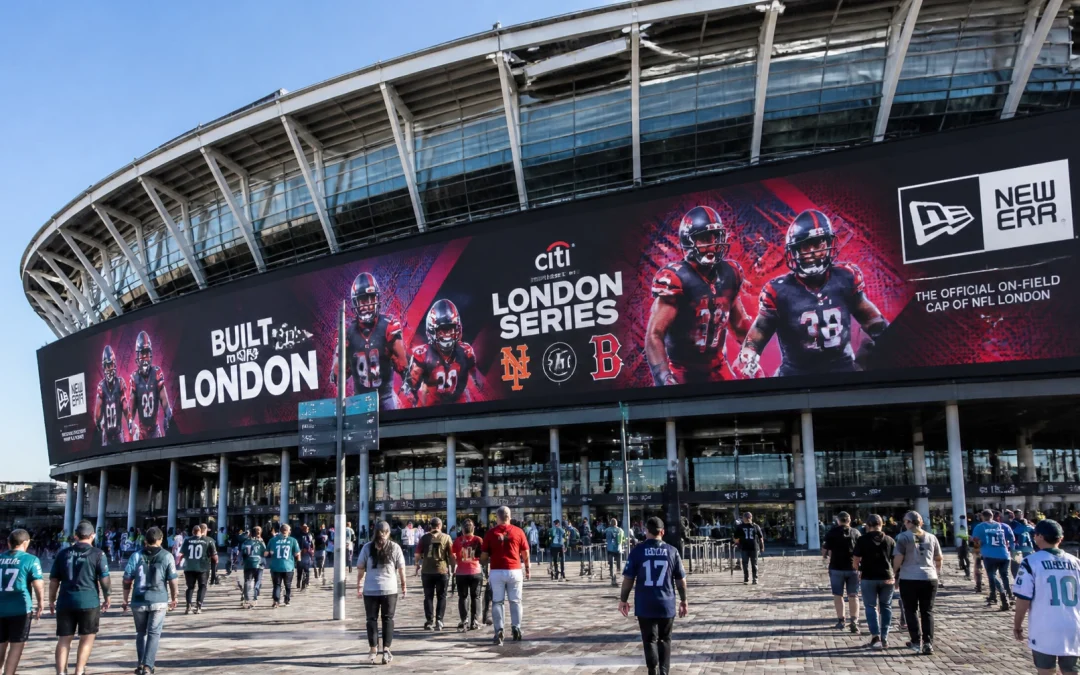
Digital Out-of-Home advertising has fundamentally transformed how brands connect with audiences in physical spaces. Within the sports sector, DOOH innovation represents a significant departure from static billboards and traditional sponsorship models. By integrating real-time data, programmatic buying, and precise geofencing, marketers can now reach fans across their entire game-day journey. Industry projections indicate that sports-related DOOH expenditures will expand rapidly over the coming years, driven by demand for contextual relevance and measurable impact. Brands evaluating modern media plans must understand the mechanics, strategic frameworks, and technological drivers that make sports DOOH an essential asset.
Objective & Strategy
The primary objective of a modern sports DOOH campaign is to capture consumer attention during high-engagement windows. Traditional stadium sponsorships relied on fixed placements visible only to attendees inside the venue. Modern digital networks extend brand visibility across a perimeter of up to ten miles surrounding sports arenas, capturing fans during transit, social gatherings, and pre-event routines.
To achieve optimal reach, media buyers implement structured geographic and behavioral strategies:
- Inner Perimeter Targeting: Concentrating impressions within the immediate vicinity of stadiums, official fan zones, and high-traffic plazas.
- Secondary Commuter Corridors: Deploying creatives along major transit lines, subway stations, and highway corridors utilized by attendees.
- Tertiary Neighborhood Activation: Engaging consumers in residential districts, fitness facilities, and commercial centers frequented by sports enthusiasts.
This multi-tiered approach ensures high frequency and contextual alignment, positioning brand messaging directly along the physical pathways of sports fans.

Technology Partners and Programmatic Integration
Executing sophisticated sports DOOH campaigns requires robust technology stacks. Programmatic Digital Out-of-Home (pDOOH) platforms allow buyers to purchase screen inventory through real-time bidding, mirroring the agility of digital display and mobile channels.
Key technological components include:
- Demand-Side Platforms (DSPs): Specialized software that automates media buying across diverse digital screen networks.
- Dynamic Creative Optimization (DCO): Tools that alter visual assets instantly based on environmental cues, audience demographics, or live game events.
- Audience Measurement Partners: Independent research firms providing verified foot-traffic analytics, device ID tracking, and impression verification.
Through programmatic workflows, brands can adjust budgets dynamically, shifting ad spend from morning commuter hubs to stadium perimeters as game time approaches. Insights from industry analyses highlight how platforms like StackAdapt drive programmatic adoption within comprehensive omnichannel initiatives. Detailed platform evaluations are available through industry insights on programmatic DOOH adoption.
Tactical Execution Across the Fan Journey
A successful sports DOOH campaign relies on precise timing and context-aware creative execution. Fans experience multiple touchpoints before, during, and after a sporting event. Marketers align their messaging with each specific phase of the fan journey to maximize relevance.
Pre-Game Awareness
Before the event commences, campaigns focus on anticipation and tune-in messaging. Displays in transit hubs and urban panels highlight upcoming matchups, ticket availability, or brand promotions. This phase establishes baseline awareness when consumer receptivity is high.
In-Game Reactivity
During the event, real-time data integrations connect DOOH displays to live sports feeds. Using automated APIs, creatives update instantly in response to score changes, halftime intervals, or notable plays. For instance, a beverage brand can deploy celebratory messaging immediately following a team victory, enhancing emotional resonance.
Post-Game Conversion
As crowds disperse into surrounding bars, restaurants, and transit stations, post-game messaging drives immediate action. QR codes embedded in screen creatives facilitate rapid app downloads, merchandise purchases, or promotional redemptions.

Measurement, Attribution, and Results
Accountability remains a critical priority for chief marketing officers and media planners. Unlike legacy outdoor advertising, sports DOOH provides quantifiable performance data that links physical exposure to digital action.
Campaign impact is typically measured through standardized methodologies:
- Brand Lift Studies: Assessing shifts in brand awareness, consideration, and purchase intent among exposed audiences compared with control groups.
- Foot Traffic Attribution: Measuring physical visits to retail locations, dealerships, or venues following exposure to DOOH screens.
- Cross-Channel Retargeting: Utilizing device IDs captured near DOOH screens to serve subsequent mobile, display, or connected TV ads.
Quantifiable outcomes from recent campaigns demonstrate the effectiveness of this methodology. For example, programmatic DOOH initiatives have driven substantial percentage increases in purchase consideration and positive brand perception across various consumer product categories. Detailed case studies on successful activations, such as multi-channel product launches, illustrate how targeted digital outdoor media delivers measurable return on investment. Additional market data and growth forecasts indicate that strategic sports advertising will continue expanding as technological capabilities advance. Further analysis on market trajectories can be explored through research on sports advertising growth projections.
Practical Recommendations for Brand Marketers
Integrating sports DOOH into an existing media mix requires careful planning and adherence to established best practices. Brand managers should consider the following guidelines when developing campaigns:
- Match Creative to Dwell Time: Tailor text length and visual complexity to the environment. Roadside billboards require bold, concise text, while transit waiting areas accommodate more detailed storytelling.
- Incorporate Dynamic Triggers: Establish automated rules within the DSP to update creatives based on weather conditions, time of day, or live game scores.
- Build Omnichannel Retargeting Loops: Pair physical DOOH exposure with mobile and social touchpoints to reinforce messaging and capture conversion data.
- Define Clear Geographic Perimeters: Focus impressions within defined radii around venues and high-affinity locations rather than relying solely on broad city-wide buys.
By adhering to these structured principles, brand marketers can harness the full potential of digital out-of-home media. Sports DOOH innovation provides the precision, scale, and flexibility required to navigate modern advertising landscapes effectively, securing sustained engagement with valuable consumer segments.
