
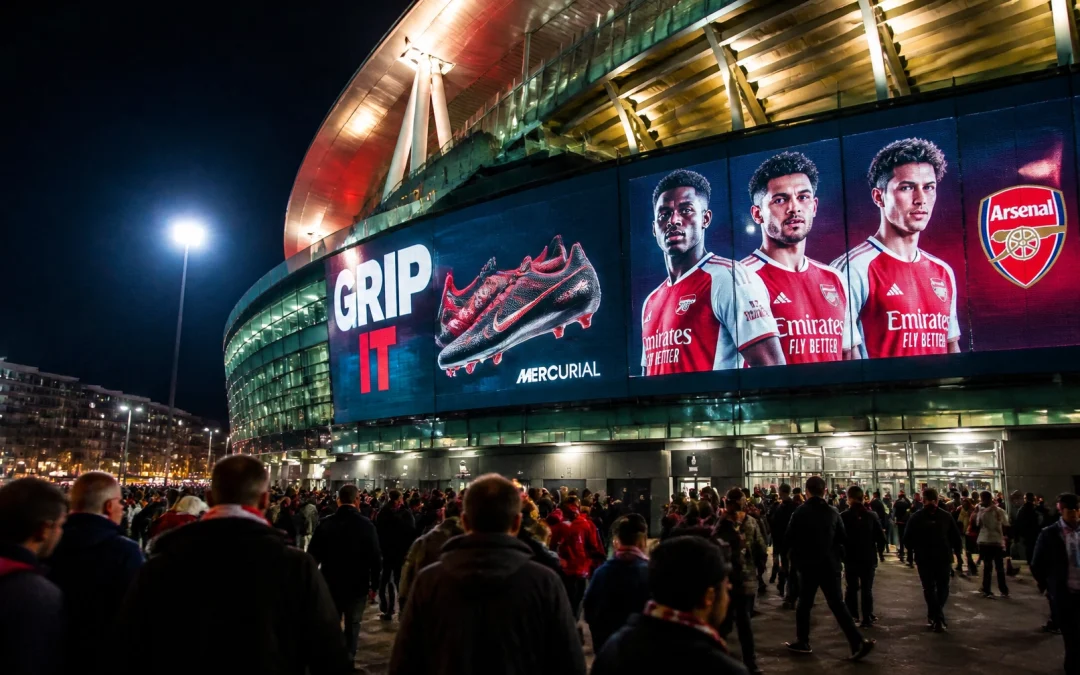
The landscape of sports marketing has undergone a dramatic transformation in recent years. Traditional static billboards and fixed arena signage are rapidly giving way to dynamic digital out-of-home (DOOH) networks. For brand managers, media buyers, and chief marketing officers, this shift represents an unprecedented opportunity to connect with audiences when their attention and emotional investment are at peak levels. Through advanced programmatic platforms and real-time data integration, sports DOOH has evolved from a supplementary awareness channel into a core driver of measurable fan engagement.
Exploring these innovations reveals how modern sports advertising campaigns achieve superior relevance, precision, and impact across every stage of the fan journey.
The Evolution of Sports DOOH Advertising
For decades, sports sponsorship relied on fixed placements. Brands purchased perimeter boards, stadium banners, or transit posters months in advance, locking in static messaging regardless of game outcomes, weather conditions, or shifting audience demographics. While these traditional formats provided baseline visibility, they lacked flexibility and granular measurement capabilities.

Digital out-of-home revolutionizes this medium by digitizing physical ad spaces in and around stadiums, transit hubs, and sports bars. By connecting these screens to digital ecosystems, advertisers gain the ability to update creative instantly, target specific audience segments, and automate media buying. According to industry analyses, campaigns utilizing programmatic DOOH achieve higher recall and deeper engagement because the content adapts to the immediate context of the viewer. Learn more about modern strategies on the OOH Sports marketing page.
Core Technologies: Programmatic DOOH and Dynamic Creative
The power of modern sports DOOH lies in two foundational technologies: programmatic buying and dynamic creative optimization (DCO). Together, they enable unprecedented operational agility.
Programmatic DOOH (prDOOH)
Programmatic platforms automate the trading and delivery of outdoor digital inventory through demand-side platforms (DSPs). Instead of rigid seasonal bookings, media buyers can activate screens based on live triggers. Campaigns can launch automatically when ticket sales reach a threshold, when local weather conditions shift, or precisely during pre-game and post-game commute windows. This level of control optimizes budget allocation and ensures impressions occur at moments of maximum relevance.
Dynamic Creative Optimization
Static images are replaced by responsive creative assets that change based on live data feeds. When a team scores a touchdown, hits a home run, or secures a playoff victory, digital boards can reflect the moment instantly. For sports betting brands, automotive advertisers, and beverage companies, this capability allows messaging to align seamlessly with live game action.
Proximity Targeting and the Fan Journey
A critical strategy in sports marketing is mapping campaigns to the physical and emotional journey of the fan. OOH Sports networks provide access to digital inventory spanning up to 10 miles around sports venues, capturing audiences across distinct phases of the event experience.

Pre-Game Anticipation
During the commute to the stadium or while gathering in nearby fan zones, supporters are highly receptive to promotional messaging. Brands utilize high-impact screens along transit routes to build anticipation, announce early-bird promotions, or drive app downloads. Proximity targeting ensures that messages reach dedicated fans right as they approach the venue.
In-Game Moment Marketing
While fans are inside the arena or watching at nearby sports bars, DOOH screens serve as extensions of the live broadcast. Displaying live scores, player statistics, and contextual ads turns passive viewers into active participants. This immediate relevance deepens brand affinity and encourages instant responses, such as placing a live wager or scanning a QR code for an exclusive merchandise discount.
Post-Game Retention
As crowds disperse, digital screens along exit corridors and parking zones acknowledge the game outcome. Tailoring creative to reflect a decisive victory or a hard-fought contest resonates strongly with departing fans. Subsequent retargeting across digital channels reinforces the initial outdoor exposure.
Practical Engagement Tactics for Brand Managers
Integrating DOOH into a comprehensive media plan requires clear tactical execution. Brand managers looking to maximize ROI should consider the following approaches:
- Focus on Simplicity and Clarity: Outdoor screens must communicate value in seconds. Use high-contrast visuals, concise messaging, and prominent calls to action.
- Leverage Trigger-Based Logic: Set up automated rules that change ad creative based on live scores, weather shifts, or time of day.
- Incorporate Interactive Touchpoints: Integrate QR codes or short URLs that link directly to mobile apps, loyalty programs, or ticket upgrades, bridging physical exposure with digital conversion.
- Adopt an Omnichannel Strategy: Pair DOOH with connected TV (CTV), social media, and mobile display to surround target audiences with consistent messaging throughout the event lifecycle.
Reviewing current campaigns on the OOH Sports blog provides additional inspiration and practical examples of successful execution.
Measurement, Attribution, and Results
Historically, outdoor advertising suffered from perceived difficulties in attribution. Today, advanced sports DOOH addresses this challenge through sophisticated measurement methodologies.

Advertisers utilize device ID tracking, footfall analytics, and post-campaign brand lift studies to quantify impact. By measuring movement patterns from exposed DOOH locations to retail stores, venues, or mobile applications, marketing teams can calculate precise conversion rates and return on ad spend (ROAS). Studies consistently show that omnichannel campaigns incorporating programmatic DOOH achieve significant uplifts in brand preference and customer acquisition compared to traditional channels alone.
Conclusion
Sports DOOH innovation represents a paradigm shift in how brands connect with sports enthusiasts. By combining the massive scale of traditional outdoor advertising with the precision, data integration, and flexibility of digital media, sports marketing campaigns achieve unprecedented engagement levels. For media buyers and brand managers seeking to elevate their next sponsorship initiative, leveraging a dedicated sports DOOH network is the most effective path forward.
To explore tailored advertising opportunities for upcoming campaigns, visit the OOH Sports homepage or contact the team directly to discuss customized media planning strategies.