
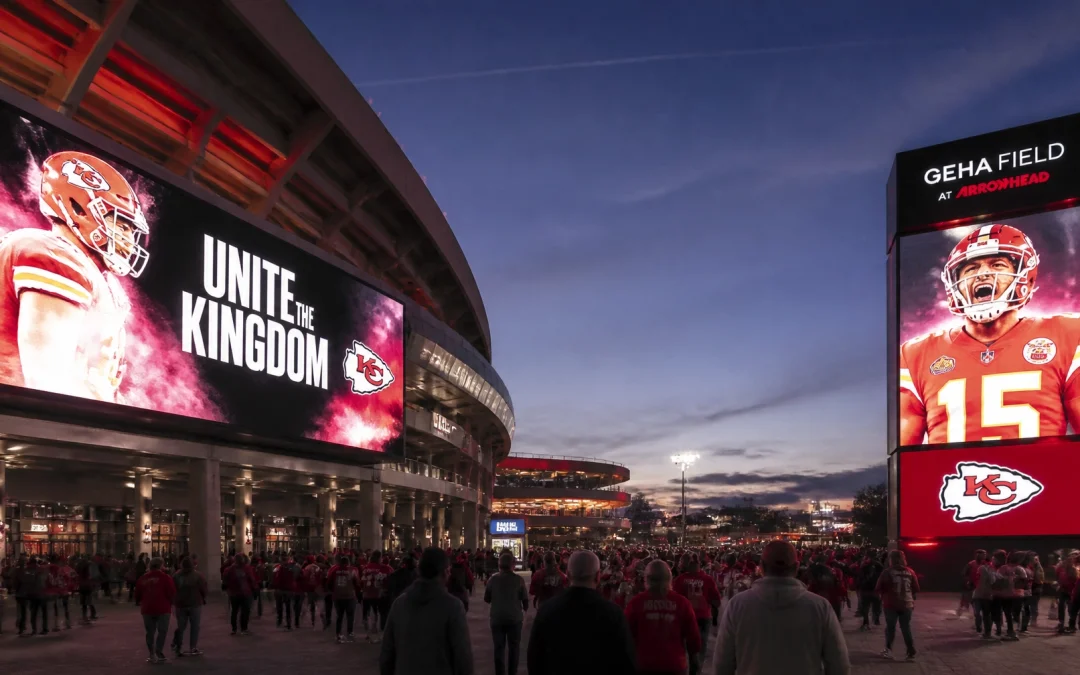
The landscape of sports marketing is experiencing a profound technological transformation. As digital infrastructure matures across major metropolitan areas, sports advertising has moved far beyond traditional static signage and isolated stadium placements. Today, digital out-of-home (DOOH) networks serve as an interconnected ecosystem, seamlessly bridging the physical and digital worlds to capture audience attention at scale.
For brand managers, media planners, and chief marketing officers, understanding this shift is essential. The integration of real-time data, automated buying platforms, and audience mobility intelligence has redefined how brands interact with sports enthusiasts. This analysis explores the core drivers shaping modern sports advertising, examining how programmatic buying, advanced measurement, and strategic stadium perimeter placement maximize return on investment.
The Evolution from Static to Real-Time
Historically, sports branding relied on static billboards and fixed stadium perimeter boards purchased months in advance. While these assets provided broad visibility, they lacked flexibility and responsiveness. Modern DOOH technology replaces static visuals with dynamic, high-definition screens capable of updating messaging instantly.
This evolution allows campaigns to synchronize with the rhythm of the sporting world. Advertisers no longer broadcast a single fixed message for weeks at a time. Instead, media plans leverage real-time triggers, adapting creative assets to reflect weather conditions, traffic density, game scores, or critical match moments. This responsiveness elevates sports advertising from a background element into an active component of the fan experience.
Programmatic DOOH and Audience-First Buying
The integration of programmatic technology into digital out-of-home media has accelerated market adoption across sports advertising. Programmatic DOOH (pDOOH) enables media buyers to purchase screen inventory through familiar demand-side platforms (DSPs), aligning outdoor campaigns with digital, mobile, and connected TV (CTV) strategies.

Rather than purchasing specific physical locations in isolation, modern media planning operates on an audience-first model. Campaigns utilize aggregated mobility data and geofencing to identify and reach fan segments as they move through urban environments. By analyzing travel patterns along transit corridors and entertainment districts, programmatic platforms ensure that brand messages appear precisely when and where target audiences congregate.
Industry benchmarks indicate that programmatic transactions represent a significant share of modern outdoor media revenue, driven by the demand for flexibility, targeted reach, and automated efficiency. Advertisers can scale campaigns across thousands of screens instantly, reallocating budgets dynamically based on performance metrics.
Artificial Intelligence, Automation, and Creative Optimization
Automation in sports advertising extends beyond media buying into creative execution. Dynamic Creative Optimization (DCO) empowers brands to deploy sophisticated conditional logic, tailoring ad variations automatically based on live data feeds.
In practice, DCO allows a single campaign to manage hundreds of creative iterations without manual intervention. During major sporting tournaments, programmatic platforms ingest live statistics, scores, and odds to trigger relevant messaging. A brand can display celebratory visuals immediately following a decisive score or adjust promotional offers based on pre-game sentiment. This level of personalization increases relevance, driving higher engagement rates compared to generic, unyielding creative assets.
Precision Measurement and Attribution
One of the historical challenges of out-of-home advertising has been quantifying exact business impact. The current generation of sports DOOH addresses this limitation through robust measurement frameworks and advanced attribution analytics.

Advanced attribution methodologies connect physical screen exposure to digital and offline outcomes. By integrating device graph data and mobile location intelligence, analytics platforms measure foot-traffic lifts, store visits, application downloads, and online conversions resulting from outdoor campaigns. For example, retail and hospitality businesses located within the vicinity of sports venues frequently record measurable increases in game-day foot traffic when synchronized DOOH campaigns are active.
Furthermore, brand lift studies provide quantifiable data regarding shifts in consumer preference, recall, and purchase intent. These insights transform sports advertising from a brand-awareness exercise into a measurable performance channel supported by transparent data.
Enhancing Fan Engagement in Urban Ecosystems
The modern sports fan experience extends well beyond the stadium gates. The journey begins hours before kickoff at home, transitions through public transit or roadways, continues through pre-game gathering spots, and concludes with post-game celebrations.
Strategic media planning recognizes this complete journey. By establishing comprehensive coverage across the stadium perimeter, typically defined as a ten to fifteen-mile radius surrounding major sports venues, brands intercept fans across multiple touchpoints. Transit hubs, digital kiosks in retail corridors, and screens in sports hospitality venues serve as vital connection points.
This multi-moment activation ensures consistent brand presence throughout the event lifecycle. When combined with interactive elements such as QR codes or mobile retargeting pixels, stadium perimeter advertising successfully converts passive viewers into active brand participants.
Actionable Takeaways for Advertisers
To maximize the impact of sports advertising investments in the current media climate, marketing professionals should consider the following strategic priorities:
- Embrace Programmatic Workflows: Integrate pDOOH into existing omni-channel media plans to secure flexible inventory and optimize budget allocation in real time.
- Target the Entire Fan Journey: Expand reach beyond the immediate venue by securing strategic placements across the ten to fifteen-mile stadium perimeter, including transit hubs and commercial corridors.
- Leverage Dynamic Creative Optimization: Utilize live data feeds to trigger contextually relevant messaging that aligns with game states, weather, or local events.
- Prioritize Audience-First Data: Base media selection on mobility and geofencing insights rather than relying solely on static physical locations.
- Demand Robust Attribution: Utilize foot-traffic analytics and brand lift studies to quantify campaign performance and connect outdoor exposure to tangible business results.
As digital infrastructure continues to evolve, the brands that succeed in sports marketing will be those that combine strategic proximity, real-time adaptability, and rigorous data measurement. To explore comprehensive network solutions and elevate your next sports campaign, visit OOH Sports.
Stay Ahead in Sports Advertising
Subscribe to industry updates and gain direct access to advanced programmatic insights, network expansion announcements, and strategic guides tailored for media buyers and brand managers.
For partnership inquiries or media placement submissions, connect with our team through the official OOH Sports portal to discuss upcoming seasonal opportunities.
