
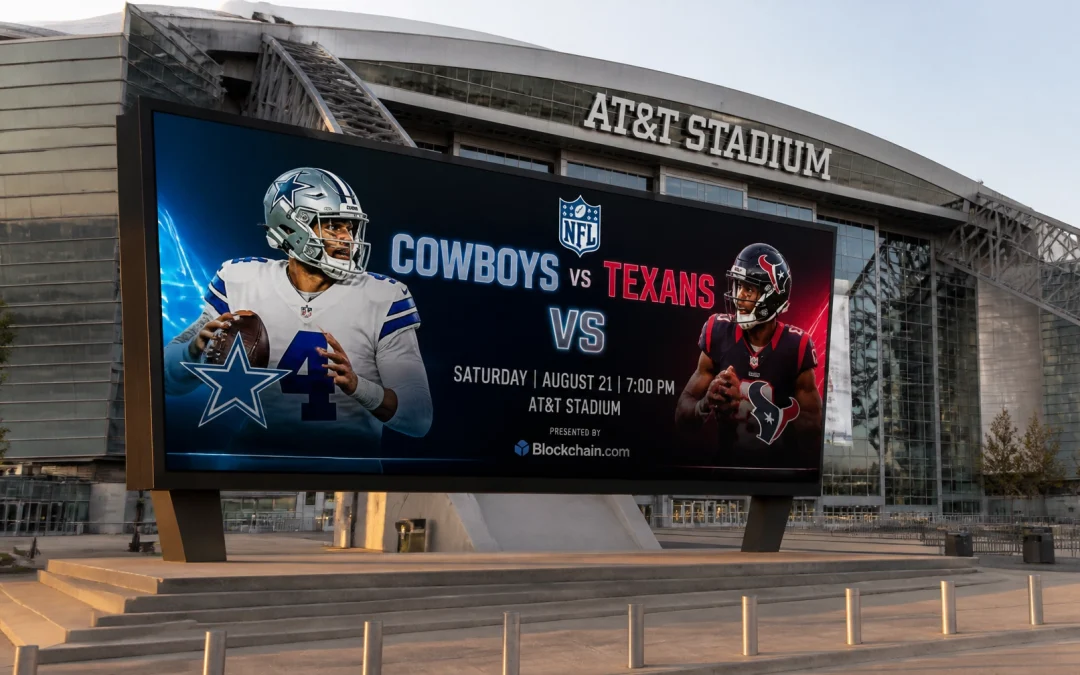
Digital out-of-home advertising has evolved from static roadside billboards into a sophisticated, data-driven channel that fundamentally reshapes how brands connect with audiences. Within the sports industry, DOOH advertising offers unprecedented opportunities for marketers seeking to capture consumer attention in high-impact environments. By integrating programmatic capabilities, real-time data feeds, and precise geographic targeting, sports marketing has transitioned into an agile discipline capable of reacting to live game dynamics as they unfold.
For media buyers and brand managers, understanding these technological shifts is essential for optimizing sports sponsorship investments and maximizing return on ad spend. This overview examines the strategic mechanics, technological drivers, and measurable outcomes of modern sports DOOH campaigns.
Objective and Strategy: Mapping the Fan Journey
Strategic planning in sports DOOH centers on mapping out the complete fan journey across physical and digital touchpoints. Rather than relying solely on traditional broadcast spots or static venue banners, modern campaigns orchestrate messaging across three distinct phases: pre-game, live event, and post-game egress.
- Pre-Game Awareness: Campaigns deploy across urban transit corridors, commuter hubs, and city centers to build anticipation. Advertisers utilize localized countdowns, ticket promotions, and route-based messaging to reach consumers on their way to stadiums.
- In-Game Momentum: Networks activate screens immediately surrounding sports venues and within popular fan gathering spots, such as sports bars and entertainment districts, to capture peak emotional intensity.
- Post-Game Egress: Brands leverage high-traffic egress routes to deliver recap content, loyalty offers, and reinforcing brand messaging as spectators leave the arena.
This multi-phase approach ensures continuous brand exposure throughout the entire event lifecycle, driving deeper consumer connections and reinforcing branding objectives across diverse demographic segments.

Technology Partners and Programmatic DOOH (pDOOH)
The operational backbone of modern sports advertising relies on programmatic platforms that automate inventory procurement and delivery. Programmatic DOOH replaces rigid, seasonal bookings with flexible, data-triggered activations that adapt to real-time events.
- Automated Buying Workflows: Media planners utilize DSPs (Demand-Side Platforms) to secure premium inventory near stadiums and fan hubs without manual negotiations.
- Trigger-Based Activation: Campaigns scale automatically based on predetermined data triggers, including weather conditions, traffic density, kickoff times, and live score changes.
- Budget Flexibility: Advertisers retain the agility to shift capital dynamically toward high-demand fixtures or unexpected playoff runs, optimizing campaign efficiency in real time.
Through these advanced programmatic infrastructures, brands gain the precision of digital media combined with the physical scale of outdoor advertising. Additional insights regarding programmatic milestones and platform capabilities are detailed in the OOH Sports Network programmatic updates.
Dynamic Creative Optimization and Stadium Perimeter Advertising
Static imagery is increasingly superseded by dynamic creative optimization (DCO), which automatically updates visual assets based on live data feeds. In stadium perimeter advertising and surrounding districts, dynamic creative elevates relevance by aligning brand messaging with ongoing game narratives.
- Live Data Integration: Creatives pull live scores, player statistics, and shifting odds directly into localized display formats.
- Contextual Relevance: Advertisers tailor creative variations to specific venue locations, local team rivalries, and regional fan bases.
- Interactive Elements: QR codes and social media integrations invite immediate audience participation, bridging the physical display with mobile devices.
By presenting timely and contextually accurate information, brands foster stronger emotional resonance with spectators. Further exploration of how physical proximity enhances consumer connection can be found in the analysis of fan engagement strategies and stadium perimeter advertising.

Omnichannel Integration and Retargeting
Modern sports marketing rarely operates in a vacuum. Effective campaigns integrate DOOH assets within a broader omnichannel strategy, ensuring that outdoor impressions reinforce and amplify digital touchpoints.
- Cross-Channel Synergies: Initial awareness is established via Connected TV (CTV) or social media channels prior to major matches.
- Physical Reinforcement: High-impact DOOH units deployed near stadiums deliver high-frequency impressions during peak foot traffic.
- Audience Retargeting: Consumers exposed to physical screens are identified via device IDs and retargeted across digital channels with follow-up messaging or conversion offers.
This closed-loop methodology transforms outdoor advertising from a purely top-of-funnel awareness play into an accountable medium that directly influences consumer consideration and purchasing behavior. Comprehensive perspectives on emerging methodologies are outlined in the report on DOOH industry insights and trends shaping sports advertising.

Measurement, Attribution, and Results
Quantifying the impact of outdoor advertising has historically presented challenges, but digital out-of-home platforms now provide robust measurement frameworks. Brand managers and media buyers rely on advanced attribution studies to evaluate campaign effectiveness.
- Footfall Attribution: Location data measures physical store visits or stadium attendance following exposure to specific DOOH displays.
- Brand Lift Studies: Controlled research isolates exposed audiences against unexposed control groups to measure increases in purchase consideration, brand preference, and recall.
- Performance Benchmarks: Documented campaigns consistently demonstrate substantial uplifts in key performance indicators, validating the strategic value of programmatic DOOH in competitive sports markets.
These rigorous measurement standards provide CMOs and decision-makers with the empirical data necessary to justify media allocations and refine future campaign strategies.

Conclusion
Sports DOOH innovation represents a paradigm shift in sports marketing, offering brand managers unprecedented control, creative flexibility, and measurable impact. By harnessing programmatic buying, dynamic creative optimization, and omnichannel integration, advertisers can engage sports fans with remarkable precision across the entire game-day journey. As technology continues to evolve, DOOH advertising remains a cornerstone medium for brands striving to make a lasting impression in the competitive arena of modern sports.