
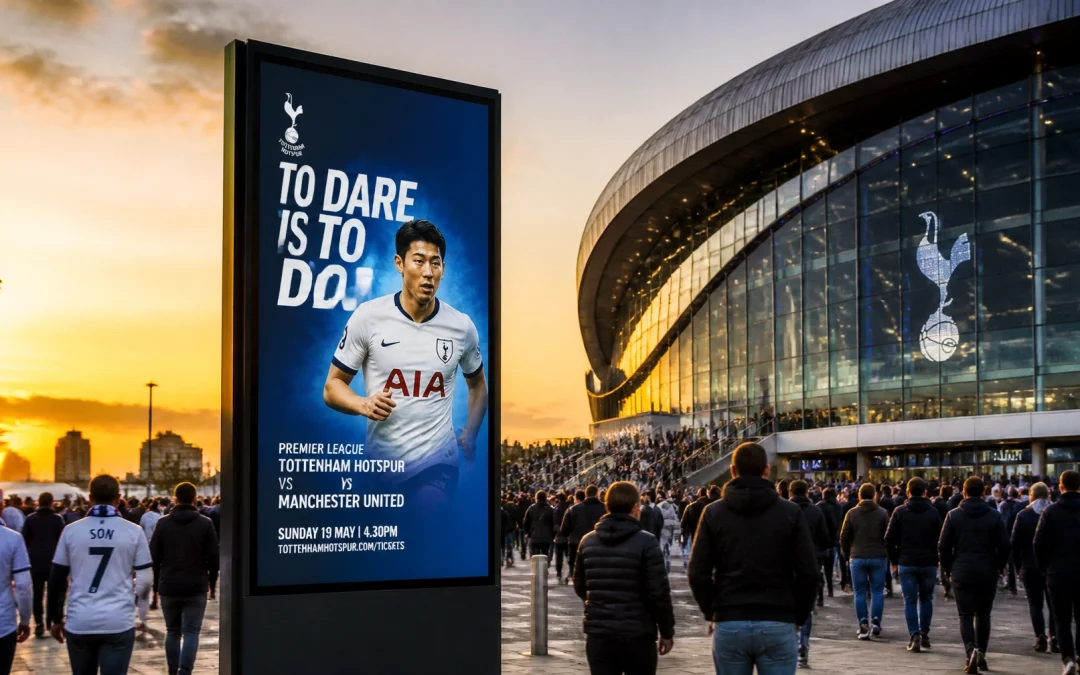
Sports marketing has come a long way from static billboards and traditional print programs. Today, fans live in a fast-paced, multi-screen world where attention is precious and expectations are high. For brand managers and media buyers, reaching these passionate audiences requires tools that match the energy of game day. Enter Digital Out-of-Home (DOOH) advertising, a game-changing medium that turns physical spaces into dynamic, data-driven brand experiences.
When looking at modern sports campaigns, DOOH stands out as the ultimate bridge between physical arenas and digital connectivity. Whether you are planning a national sponsorship or targeting local fans around a stadium, understanding DOOH innovation is essential for driving real results. Through platforms like OOH Sports, brands now have unprecedented access to inventory that transforms ordinary commutes, stadium approaches, and venue perimeters into high-impact touchpoints.
What is Sports DOOH and Why It Matters
Digital Out-of-Home refers to digitized ad spaces located in high-traffic environments where fans gather, travel, and celebrate. In the context of sports marketing, this includes screens located inside concourses, along transit routes, near sports bars, and right outside stadium gates.
Unlike traditional OOH, digital screens allow for incredible flexibility. Advertisers can update creative instantly, rotate multiple messages, and target specific times of day or crowd demographics. For sports fans, seeing a relevant ad feels like part of the shared experience rather than an interruption. Research shows that nearly six in ten fans recall OOH advertising around major sporting events, and an overwhelming majority take follow-up actions like visiting a website, downloading an app, or making a purchase.
To explore more industry trends, you can check out the latest updates on the OOH Sports Blog.

The Power of Stadium Perimeter Advertising
One of the most exciting frontiers in DOOH innovation is stadium perimeter advertising. Historically, perimeter boards were static painted banners or fixed electronic rings with limited messaging options throughout a match. Today, advanced LED technology and connected digital networks allow brands to project crisp, vivid animations and context-aware messaging right where the action happens.
Perimeter boards capture the undivided attention of both the live crowd and millions of television viewers watching from home. When a home team scores or a major play unfolds, perimeter ads can instantly shift to match the celebratory mood of the stadium. This creates a powerful emotional connection between the brand and the fan, elevating standard brand awareness into memorable affinity.
For brand managers seeking to integrate physical spaces with broader marketing goals, resources like this guide on how to integrate digital out-of-home with your overall sports branding strategy offer valuable tactical frameworks.
Core Innovations: Programmatic Buying and DCO
Two major technological leaps are driving the rapid adoption of sports DOOH: programmatic buying (pDOOH) and Dynamic Creative Optimization (DCO).
Programmatic DOOH
Programmatic technology allows media buyers to purchase digital ad inventory automatically through demand-side platforms (DSPs). Instead of long, manual negotiations, buyers can lock in premium screens around sports venues with a few clicks. This automation also enables real-time budget adjustments and rapid optimization, ensuring your ad dollars are working efficiently right up until kickoff.
Dynamic Creative Optimization (DCO)
DCO takes personalization to the next level. Instead of running a single static asset, advertisers can set up conditional rules based on weather, time of day, location, or live game data. For instance, if a match goes into overtime, the creative can automatically switch to highlight urgency, or if a home team wins, the board can display a celebratory discount code. This level of responsiveness keeps messaging fresh and engaging.

Practical Strategies for Media Buyers and Brand Managers
Leveraging DOOH effectively requires a strategic approach across the entire fan journey. Here are practical ways to maximize your next sports campaign:
- Map the Matchday Journey: Extend your reach beyond the stadium gates. Networks that offer digital inventory up to ten miles around sports venues allow you to capture fans during arrival, game time, and departure.
- Segment by Event Phases: Tailor your messaging to match the mood. Use pre-game screens for ticket promotions and hype building, in-game boards for instant offers or live odds, and post-game screens for merchandise sales and loyalty rewards.
- Incorporate Live Data: Integrate real-time scores, player stats, or weather updates into your ad creative. Fans naturally look at scoreboards and data feeds, making adjacent ads significantly more noticeable.
- Keep Creatives Clean and Bold: Fans on the move or seated across a large arena only have seconds to process visual information. Use high-contrast imagery, concise text, and clear calls to action.
- Utilize Omnichannel Orchestration: Pair your DOOH campaigns with connected TV (CTV), social media, and mobile retargeting. Surrounding fans with consistent messaging across multiple channels reinforces brand recall.
For deeper insights into how modern programmatic platforms are transforming venue coverage, read more about how the OOH Sports Network hits new milestones in programmatic delivery.

Measuring Success and Attribution
In the past, measuring the return on investment for outdoor advertising relied heavily on estimated traffic counts and broad impressions. Today, sports DOOH provides advanced measurement capabilities that give brand managers clear data on campaign performance.
By utilizing mobile device IDs exposed to specific DOOH screens, marketers can measure foot traffic lift, website visits, and app downloads following exposure. Brand lift studies further quantify changes in brand preference, recall, and purchase intent. This data-driven accountability makes it easier to justify budgets and optimize future campaigns for maximum impact.
Conclusion
Sports DOOH innovation has redefined what is possible in sports marketing. By moving beyond passive visibility and embracing programmatic flexibility, dynamic creative, and stadium perimeter advertising, brands can connect with fans in meaningful, memorable ways. Whether you are a seasoned media buyer or a brand manager planning your next major sponsorship, integrating DOOH into your strategy is no longer optional. It is the key to capturing the hearts and minds of modern sports fans.
To start planning your next campaign and discover available inventory across premier sports venues, visit OOH Sports today.