
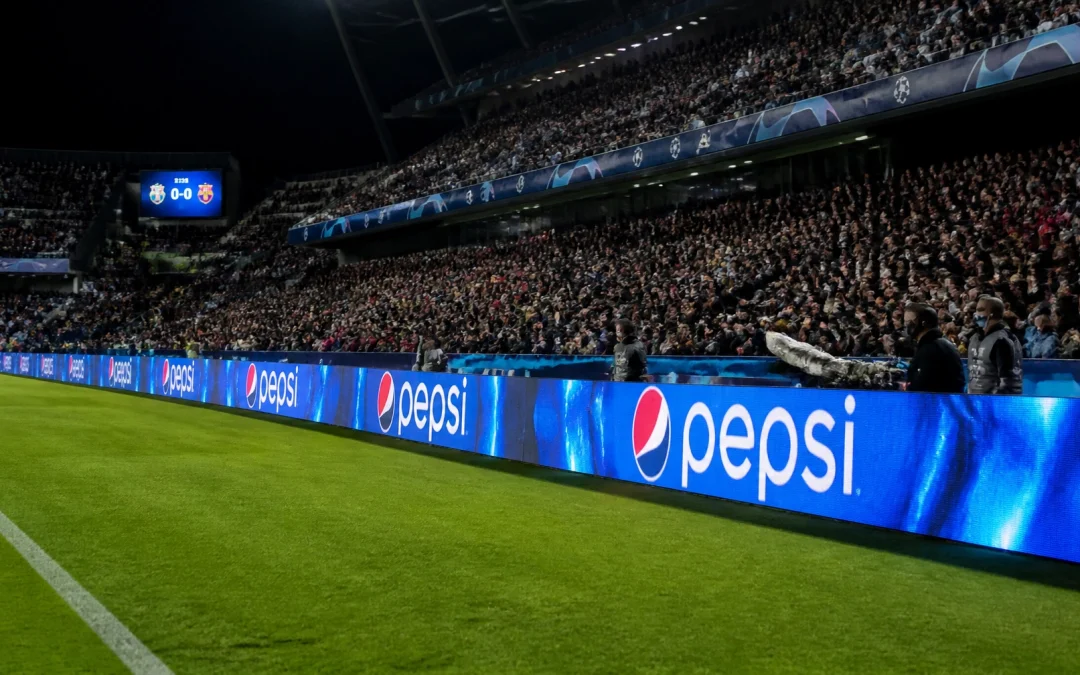
Digital out of home (DOOH) advertising within sports environments has entered a transformative era. Media buyers, brand managers, and chief marketing officers increasingly recognize that static stadium signage no longer captures the shifting attention of modern sports enthusiasts. Instead, programmatic DOOH platforms, venue perimeter audience behavior tracking, and real-time dynamic creative strategies are redefining how brands connect with consumers.
This installment of DOOH Industry Insights examines the technical mechanics, strategic frameworks, and performance outcomes driving omnichannel sports campaigns across North America. By analyzing recent market developments and data driven methodologies, advertising professionals can evaluate how modern venue networks deliver measurable brand impact.
Objective and Strategy: The Evolution of Programmatic DOOH
The primary objective of modern sports advertising is to achieve high-frequency engagement without sacrificing contextual relevance. Traditional manual bookings have largely been replaced by programmatic DOOH, which allows media planners to automate inventory acquisition through Demand-Side Platforms (DSPs).
Programmatic infrastructure enables agencies to activate multiple screens simultaneously across stadium perimeters, concourses, and surrounding transit corridors. Rather than committing to rigid seasonal contracts, brands can execute flexible campaigns aligned with specific game days, tournament stages, and localized fan footfall patterns.
Key strategic elements of programmatic sports DOOH include:
- Automated bidding based on real-time audience density and expected venue attendance.
- Cross-screen synchronization linking perimeter LED boards with surrounding retail and transit DOOH units.
- Dayparting strategies that scale impressions dynamically during peak pre-game and post-game windows.
- Efficient budget allocation that minimizes waste by targeting only screens within a defined 10-mile radius of sports venues.
For deeper context on how modern technology transforms venue networks, review the analysis on sports DOOH innovation.

Technology Partners and Venue Perimeter Audience Behavior
Understanding audience behavior around sports venues requires sophisticated data layers that merge mobile location signals with historical fan attendance records. Modern programmatic platforms ingest first-party ticketing data, mobile location telemetry, and behavioral classifications to identify concentrated segments of sports enthusiasts.
Venue perimeter audience behavior follows a predictable chronological curve before, during, and after major athletic events. Campaigns must adapt to these distinct behavioral phases to maximize impression value.
- Pre-Game Window: High footfall concentration occurs around transportation hubs, local hospitality venues, and stadium approaches two to three hours before kickoff. Media planners deploy tune-in messaging and localized promotions during this phase.
- In-Game Window: Attention shifts entirely to the venue perimeter and in-bowl displays as crowd emotion peaks. Bidding algorithms increase impression weight during critical game moments and lead changes.
- Post-Game Window: Egress routes and nearby retail centers experience high pedestrian volume following the final whistle. Campaigns shift toward post-match highlights, app downloads, and retail redemption offers.
Advanced measurement partners utilize sensors and camera-based analytics to estimate passer-by engagement levels and impression dwell times. These methodologies ensure transparent attribution for brand managers evaluating return on ad spend.

Real-Time Dynamic Creative Optimization (DCO)
Static visual assets limit campaign responsiveness. Dynamic Creative Optimization (DCO) addresses this limitation by allowing digital creatives to alter automatically based on external data feeds and live triggers. In sports marketing, DCO transforms perimeter boards into responsive canvases that mirror live game conditions.
Integrating live data feeds into DOOH creative templates empowers brands to deploy contextually accurate messaging without manual intervention. Common triggers utilized in high-performing sports campaigns include:
- Live Match Data: Automated creative updates triggered by goals, scoring plays, half-time intervals, and final results.
- Weather Conditions: Temperature and precipitation feeds that adjust promotional messaging dynamically, such as switching between warm beverages and chilled refreshments around stadium perimeters.
- Tournament Progression: Conditional creative variants that adapt as teams advance from group stages into elimination rounds.
- Traffic and Crowd Density: Automated frequency adjustments based on pedestrian congestion metrics captured near venue perimeters.
By maintaining strict creative governance: such as limiting copy to seven words or fewer per frame: brands ensure maximum legibility for fans moving rapidly through stadium concourses and perimeter zones. Additional perspectives on upcoming market shifts are outlined in the overview of DOOH trends reshaping fan engagement.

Campaign Execution and Logistics
Executing a large-scale programmatic sports DOOH campaign requires rigorous logistical alignment between media buyers, venue operators, and DSP partners. Unlike standard digital display campaigns, physical venue inventory is bound by municipal regulations, zoning laws, and broadcast rights agreements.
Campaign execution follows a structured deployment sequence:
- Audience Definition: Establishing target fan segments using mobile location clusters and loyalty database parameters.
- Screen Mapping: Selecting authorized perimeter boards, concourse displays, and surrounding billboards within the designated venue catchment area.
- Trigger Configuration: Programming API connections for live scores, weather APIs, and traffic monitoring feeds within the ad server.
- Creative Assembly: Developing modular asset variants covering win scenarios, loss scenarios, pre-game countdowns, and weather adaptations.
- Quality Assurance: Conducting technical checks on asset aspect ratios, contrast ratios, and frame duration limits prior to event activation.
For further reading on optimizing physical proximity strategies, explore the insights on how stadium perimeter advertising supercharges fan engagement.

Results and Performance Measurement
Quantifying the impact of programmatic DOOH campaigns relies on multi-touch attribution models and post-campaign brand lift studies. Industry studies consistently demonstrate that contextually triggered DOOH advertising outperforms standard outdoor media placements across key performance indicators.
Measured outcomes from recent multi-market sports DOOH initiatives indicate:
- A 34% average increase in brand preference ratings among exposed sports enthusiasts compared to control groups.
- A 28% lift in digital retargeting conversion rates for users exposed to venue perimeter DOOH prior to mobile ad delivery.
- Significant gains in physical store visits, with localized perimeter campaigns driving an average 22% increase in foot traffic to nearby retail locations during game days.
- High operational efficiency, with programmatic automated buying reducing manual campaign setup times by over 40%.
These quantifiable metrics provide chief marketing officers with the empirical justification required to allocate larger portions of annual media budgets toward programmatic sports out-of-home networks. By combining precise audience targeting with real-time creative agility, brands establish a dominant presence where sports culture intersects with public space.