
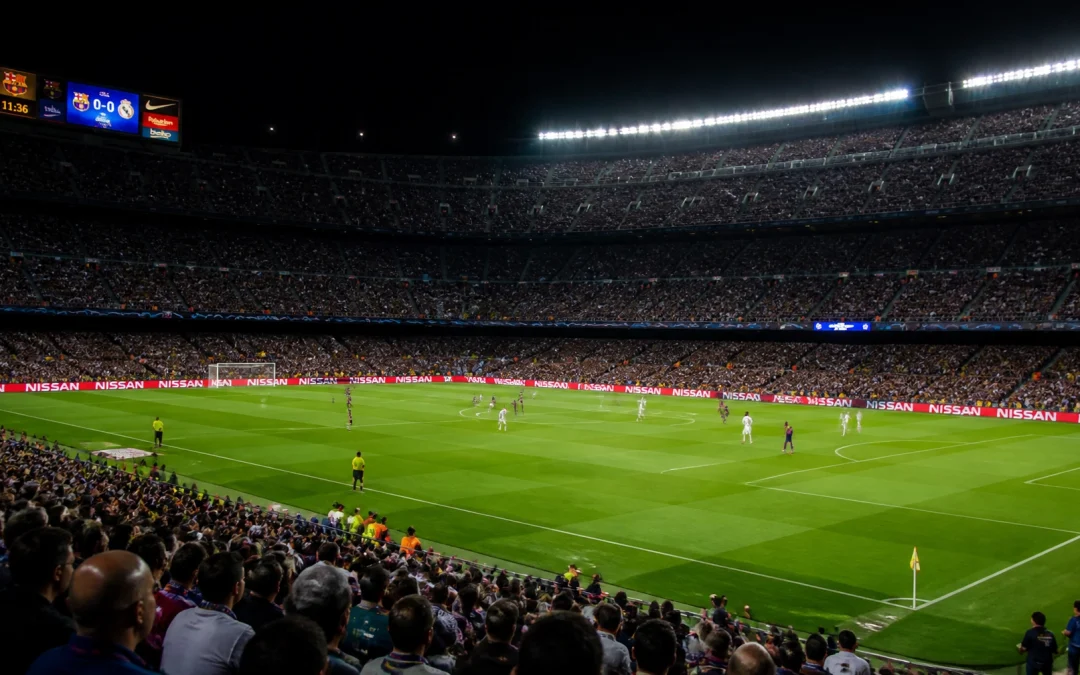
Stadium perimeter advertising has evolved beyond static sponsorship signage. Digital LED boards now function as dynamic communication channels that connect brands with fans inside the venue, viewers watching broadcasts, and audiences moving through the surrounding community.
For creative directors and CMOs, the opportunity is strategic. Stadium perimeter advertising can strengthen brand presence while contributing to a more relevant and interactive fan experience. When connected to programmatic digital out-of-home, mobile, and measurement platforms, perimeter media becomes part of a broader fan engagement strategy rather than an isolated placement.
OOH Sports provides access to digital video advertising boards across sports venues and surrounding locations. Its sports media approach extends brand messaging across the fan journey, including locations within a defined perimeter around the stadium or arena.
Why Stadium Perimeter Advertising Matters
The value of perimeter advertising comes from its ability to reach two audiences at the same time:
- Fans attending the event in person
- Viewers watching through broadcast, streaming, and social video
The boards are positioned close to the action, which gives them a consistent presence in camera shots and highlight footage. Inside the venue, the creative contributes to the visual environment surrounding the competition. Outside the venue, related digital out-of-home placements can reach fans as they travel, gather, and make purchase decisions.
This dual-audience model gives brands more than logo visibility. It creates repeated exposure in a setting where attention and emotion are already concentrated.

Objective and Strategy: Build Around the Fan Journey
The most effective stadium perimeter advertising strategies begin with a clear objective. A brand may be seeking awareness, consideration, retail traffic, app registrations, or stronger sponsorship value. The objective should determine the creative, placement, timing, and measurement plan.
A practical fan engagement framework includes three stages.
1. Reach Fans Before Arrival
Fan engagement begins before the stadium gates open. Digital screens near transit routes, hotels, restaurants, sports bars, and retail locations can introduce the campaign before fans reach the venue.
OOH Sports supports this broader OOH sports approach by connecting stadium advertising with digital inventory in the surrounding area. Media planners can use proximity targeting and event-based scheduling to increase exposure during key travel and gathering periods.
Useful pre-arrival tactics include:
- Location-specific calls to action
- Directions to nearby retail or hospitality locations
- Limited-time offers tied to the event
- Team or sport-specific creative
- Sequential messaging that introduces the brand story before the game
The goal is not simply to create more impressions. It is to establish familiarity before fans encounter the brand inside the venue.
2. Create Relevance During the Event
Perimeter boards can change based on the game phase, score, time remaining, or scheduled breaks. Dynamic creative gives brands the ability to align messages with the rhythm of the event.
Examples include:
- A celebratory message following a score
- A product benefit linked to a specific game moment
- A QR code during a timeout or intermission
- A short-form offer during a high-attention break
- A live poll or prediction prompt connected to the action
This approach converts a passive placement into a responsive fan engagement channel. The creative must remain simple, because fans may see the message for only a few seconds and broadcast camera angles can change quickly.
3. Extend the Experience After Departure
The fan journey continues after the final whistle. Mobile retargeting, social content, email follow-up, or localized digital out-of-home can reinforce the message after fans leave the stadium.
A connected strategy may use:
- Stadium perimeter exposure to build awareness
- A QR code or short URL to prompt interaction
- A privacy-compliant retargeting audience to continue the message
- A conversion page to capture a measurable action
This structure helps brands connect physical exposure with digital behavior without treating stadium advertising as a standalone channel.

Creative Execution for Stronger Branding
Stadium advertising is a fast-viewing environment. Creative directors should develop assets for immediate recognition, not extended reading.
Core creative principles include:
- Use a prominent logo or brand name
- Limit copy to one primary message
- Maintain strong color contrast
- Keep key elements within broadcast-safe areas
- Design for both in-venue and camera-viewed audiences
- Use motion to direct attention without reducing readability
- Include a clear action when interaction is the objective
Sport-specific relevance is also important. Messaging for football can emphasize strength, precision, or teamwork. Basketball creative may focus on speed, momentum, or competition. Motorsports campaigns may use performance, control, or engineering language.
The brand should fit the environment without appearing to imitate the team or rights holder. Color, tone, and visual references can reflect the fan culture while maintaining clear brand ownership.
Dynamic creative can make the message more timely, but real-time execution requires operational discipline. Creative variations should be approved in advance, data feeds should be tested, and fallback messages should be available if a live trigger fails.

Benefits for Fans and Brands
Stadium perimeter advertising creates value when the audience experience and brand objective support each other.
Benefits for fans
- More relevant messages tied to the event
- Access to discounts, contests, statistics, or exclusive content
- Interactive experiences that complement the live game
- Clear information during natural breaks in play
- Consistent communication across the arrival and departure journey
Poorly planned creative can create clutter. Effective creative uses the energy of the event without interrupting the experience.
Benefits for brands
- Repeated visibility in a high-attention environment
- Exposure to fans in the stadium and through broadcast coverage
- Stronger association with a sport, event, or community
- Flexible messaging through digital LED inventory
- Opportunities to connect OOH exposure to mobile and online actions
- Greater ability to measure brand lift, engagement, and attribution
Perimeter advertising also strengthens sponsorship activation. A sponsorship can establish the relationship, while dynamic perimeter media gives the brand a flexible platform for delivering messages throughout the event.
Technology Partners and Campaign Operations
A stadium perimeter campaign typically involves several operating partners. Clear coordination is necessary to protect both the fan experience and the value of the media placement.
Key participants may include:
- Rights holders and venue operators
- Sports media and OOH network providers
- Programmatic DOOH platforms
- Creative production and dynamic content specialists
- Data and audience partners
- Mobile retargeting platforms
- Measurement and attribution providers
OOH Sports can serve as the network access point for brands seeking digital video advertising boards across sports venues and surrounding locations. Media buyers should confirm inventory availability, screen specifications, rotation rules, event schedules, geographic coverage, and reporting capabilities before launch.
Operational planning should also address:
- Creative resolution and aspect ratio requirements
- Maximum file sizes and frame rates
- Board rotation and share of voice
- Trigger conditions for dynamic messaging
- QR code readability from expected viewing distances
- Broadcast visibility and camera considerations
- Privacy compliance for audience and device data
- Reporting standards across all locations
A detailed trafficking plan reduces execution risk and makes post-campaign analysis more reliable.
Measurement: From Exposure to Business Impact
Impressions remain useful, but they do not provide a complete view of fan engagement. A strong measurement framework should connect exposure to interaction, perception, and commercial outcomes.
Recommended metrics include:
Exposure
- Estimated in-stadium impressions
- Screen play counts
- Share of voice
- Broadcast visibility
- Exposure by venue, event, and location
- Frequency across the surrounding perimeter
Engagement
- QR scans
- Offer claims
- Contest entries
- App registrations
- Website visits
- Social mentions and content interactions
Brand impact
- Unaided and aided awareness
- Brand consideration
- Purchase intent
- Brand preference rating
- Message association
- Sentiment and share of voice
Commercial outcomes
- Retail visits
- Online conversions
- Coupon redemptions
- App downloads
- Sales compared with a control period
- Foot traffic among exposed audiences
Brand lift studies can compare an exposed audience with a control group to identify changes in consideration or purchase intent. Location-based attribution can compare visits to retail or hospitality locations among people exposed to the campaign with similar unexposed audiences.

Several OOH Sports case examples illustrate the value of this approach. A reported programmatic DOOH campaign for White Claw produced a 74% lift in purchase consideration for a vodka launch. An Ab InBev campaign for Mike’s Hard Iced Tea reported a 119% lift in positive brand image. Sea-Doo reported a 144% increase in purchase consideration from its first digital out-of-home campaign.
These percentages should be read alongside the methodology used for each study, including the control group, sample size, exposure definition, and campaign period. The central planning principle remains consistent: define the baseline, identify the exposed audience, and measure the behavior or perception that the campaign was designed to change.
An Actionable Playbook for Creative Directors and CMOs
A stadium perimeter advertising campaign can be structured through six practical steps:
- Define the business objective. Choose awareness, consideration, engagement, retail traffic, or conversion as the primary goal.
- Map the fan journey. Identify where fans travel, gather, enter, watch, and leave.
- Assign a role to each screen. Use surrounding DOOH for reach and repetition, then use perimeter boards for event relevance and high-impact visibility.
- Build modular creative. Prepare variations for sport, team, game phase, location, and call to action.
- Connect physical and digital channels. Use QR codes, mobile landing pages, retargeting, and social content to extend engagement.
- Set measurement before launch. Establish exposure, brand lift, interaction, foot traffic, and sales benchmarks in advance.
This process helps creative and media teams work from the same strategy. It also reduces the risk of treating branding and performance as separate objectives.
The Role of OOH Sports in Fan Engagement
Stadium perimeter advertising is most effective when it is planned as part of a larger OOH sports network. The stadium remains the central stage, but the surrounding media environment provides additional opportunities to reach fans before and after the event.
For brands, the result is a more connected presence across physical, broadcast, and digital touchpoints. For fans, the experience can feel more relevant when creative reflects the event, the location, and the moment.
OOH Sports gives media buyers, brand managers, creative directors, and CMOs a framework for building these campaigns across sports venues and nearby digital inventory. Additional guidance is available through the OOH Sports blog, including resources on fan engagement and stadium advertising.
The modern playbook is straightforward: reach fans along the journey, use the perimeter to create timely relevance, and measure the change from exposure to action.