
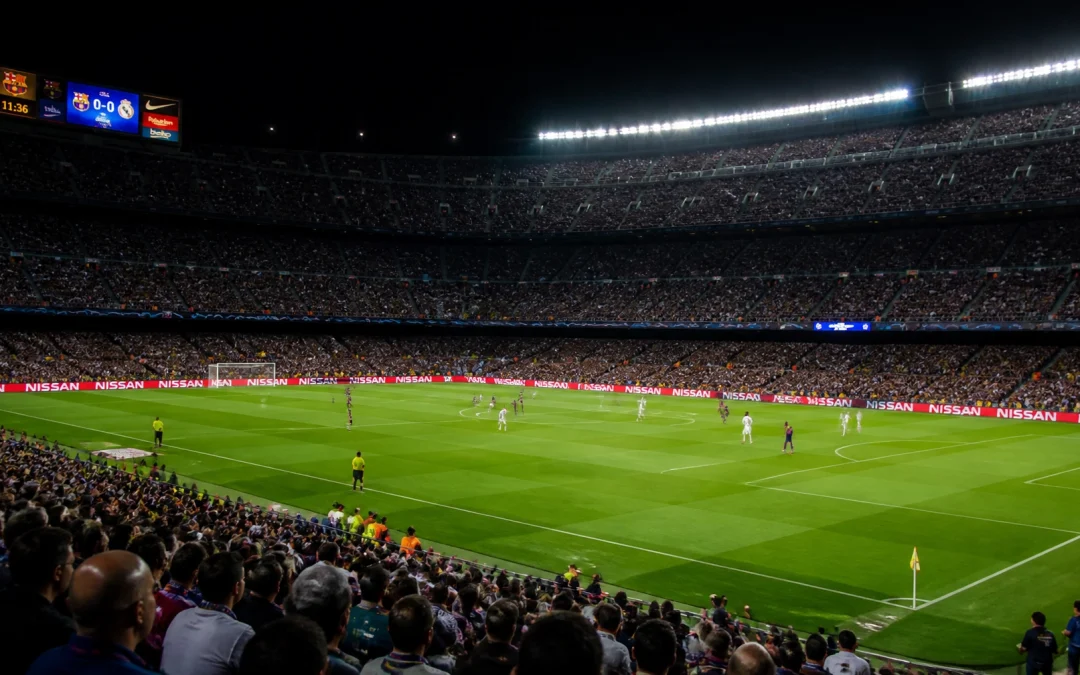
Sports audiences move through a connected journey before, during, and after a game. They travel to the venue, gather at bars and restaurants, stop at quick-service restaurants, use public transportation, and check their phones throughout the experience. Digital out-of-home advertising gives brands a way to reach fans across these moments with relevant, timely, and measurable messaging.
Sports DOOH combines high-impact screens with real-time data, proximity targeting, dynamic creative, and mobile retargeting. The result is more than a collection of digital advertisements. It is a coordinated fan engagement strategy that connects branding to the energy and context of game day.
For media buyers, brand managers, and creative teams, the opportunity is to make every screen feel connected to the live sports experience.
What Is Sports DOOH?
Sports DOOH, or digital out-of-home sports advertising, uses digital screens in and around sports venues to reach fans in physical environments. These placements can include:
- Stadium perimeter boards
- In-stadium video screens
- Digital billboards
- Urban panels
- Highway signs
- Transit hubs
- Sports bars and casual dining locations
- Gyms and fitness centers
- Quick-service restaurants
- Parking areas and major fan travel routes
Unlike static out-of-home media, DOOH advertising can change based on time, location, weather, event status, or live game information. Creative can be scheduled with greater precision, and campaigns can be connected to mobile, social, video, and other digital channels.
The OOH Sports Network is designed to help brands access digital inventory across these sports-related environments, with placements available within a 3-mile radius of stadiums and arenas.

Strategy: Own the Fan Journey Around the Venue
The stadium is only one part of the game-day audience experience. Many fans spend significant time outside the venue, making the surrounding area an important part of sports marketing strategy.
A 3-mile stadium perimeter can include the locations where fans:
- Travel toward the event through transportation hubs and major roads.
- Meet friends at bars, restaurants, and casual dining locations.
- Stop for food or supplies at QSRs and retail locations.
- Exercise at gyms before or after the game.
- Wait in parking areas or walk through nearby entertainment districts.
- Continue the conversation on mobile devices after leaving the venue.
This creates several opportunities for stadium perimeter advertising:
- Build anticipation before fans arrive.
- Reinforce sponsorship messaging outside the venue.
- Extend the impact of in-stadium creative into nearby neighborhoods.
- Deliver promotions at locations where fans can act immediately.
- Connect physical exposure with mobile retargeting.
A brand does not need to rely on a single large screen to create visibility. A coordinated network of smaller and larger placements can create repeated exposure across the fan journey.
Game-Day-Only Scheduling Improves Media Efficiency
Sports campaigns do not always need to run continuously. Game-day-only scheduling allows media buyers to focus impressions around the periods when fan density, attention, and purchase intent are most relevant.
A campaign can be scheduled around:
- Several hours before kickoff or tipoff.
- The arrival window near the venue.
- In-game breaks and halftime.
- The post-game departure period.
- Specific event days within a broader sponsorship plan.
This approach helps reduce wasted impressions outside the most valuable audience windows. It also makes creative planning more specific. A pre-game message can focus on anticipation, while a post-game message can promote a nearby restaurant, delivery service, or retail offer.
For brands with limited budgets, game-day-only scheduling can provide a practical way to participate in sports marketing without committing to an always-on media flight.
Dynamic Creative Turns Live Conditions Into Brand Opportunities
One of the clearest examples of sports marketing innovation is dynamic creative. Instead of showing the same message throughout the campaign, DOOH screens can update creative when specific conditions are met.
Countdown-to-Kickoff Creative
Countdown messaging can build anticipation and create a clear connection between the brand and the event.
Examples include:
- “Two hours until kickoff. One stop for everything needed.”
- “The game starts soon. The first round starts here.”
- “Your pre-game routine starts within the 3-mile fan zone.”
Countdowns can be adapted to the sport, venue, location, and audience. A QSR near a transit hub may use a quick-service offer, while a beverage brand may focus on social gathering and shared viewing.
Score and Stat-Driven Creative Swaps
Real-time scores and statistics can make advertisements feel like part of the live experience. Possible triggers include:
- A team taking the lead.
- A player reaching a milestone.
- A close score during the final minutes.
- A scoring streak or defensive performance.
- A win, loss, or overtime scenario.
Creative should remain simple and easy to read. The brand message needs to support the sports moment rather than compete with it.
For example:
- “A lead worth celebrating. Refreshments are ready nearby.”
- “The defense is holding strong. So is this offer.”
- “Overtime calls for one more round.”
The message can change automatically through programmatic DOOH technology when connected to approved live data feeds.
Weather-Responsive Advertising
Weather-responsive creative allows the campaign to reflect conditions around the stadium and along fan routes.
Examples include:
- Promoting hot drinks during cold conditions.
- Highlighting delivery options during rain.
- Featuring hydration products during heat.
- Promoting indoor entertainment before or after the event.
- Adjusting travel or retail messaging when weather affects mobility.
Weather triggers are especially useful for brands with products that solve an immediate need. A message becomes more relevant when it responds to what fans are experiencing in that moment.
In-Stadium Signage With the Sportrons Network
The Sportrons Network extends DOOH advertising into the stadium through digital video boards, LED displays, sponsored features, and other in-venue signage.
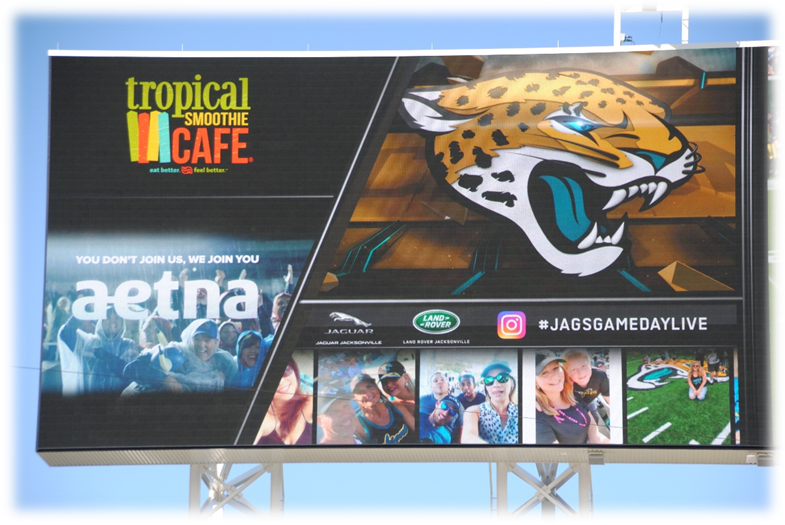
Sportrons can support campaigns that require direct access to the in-stadium audience, including:
- Sponsored halftime features.
- Real-time sponsorship shoutouts.
- Video advertisements on venue screens.
- Scoreboard and concourse placements.
- Fan prompts connected to promotions.
- Brand messages synchronized with key game moments.
In-stadium signage can work as the central point of a larger campaign. Nearby OOH Sports inventory can introduce the message before fans enter the venue, while Sportrons reinforces it inside. Mobile retargeting can then continue the conversation after exposure.
This structure gives sponsorship teams more control over the full audience experience instead of treating in-stadium advertising as an isolated placement.
QR Codes Create a Direct Engagement Path
QR codes can turn a passive DOOH impression into an active fan interaction. The code should lead to a mobile experience that is fast, useful, and closely connected to the message on screen.
Practical QR code applications include:
- Mobile coupons for nearby restaurants.
- Sweepstakes and fan contests.
- Team-themed product pages.
- Exclusive video or behind-the-scenes content.
- Event reminders and opt-in notifications.
- Loyalty program enrollment.
- Directions to a nearby location.
- Real-time polls or trivia.
Placement and timing matter. QR codes are most useful when fans have enough time to scan, such as at transit hubs, bars, concourses, and waiting areas. Creative should include a clear action, such as “Scan for the game-day offer,” rather than displaying a code without context.
Campaign teams can measure scans, landing-page visits, registrations, redemptions, and sales actions. These metrics help connect fan engagement with business outcomes.

Proximity Targeting and Mobile Retargeting
Proximity targeting helps brands reach fans based on where screens are located and how audiences move through the area. A campaign may prioritize inventory near:
- Stadium entrances.
- Major highways and roads.
- Public transportation hubs.
- Sports bars and casual dining locations.
- Gyms and recreation centers.
- QSRs and retail destinations.
- Parking facilities and pedestrian routes.
When privacy-compliant location technology is available, exposed device audiences can be used for follow-up messaging across mobile, social, video, or connected TV. The sequence might look like this:
- A fan sees a brand message on a digital screen near the stadium.
- The fan is added to an eligible exposed audience segment.
- A mobile ad reinforces the same offer or message.
- A QR scan, website visit, store visit, or purchase is measured.
- The campaign is optimized based on engagement and conversion data.
This omnichannel approach gives DOOH a role beyond awareness. It helps connect physical advertising with digital action while keeping the creative sequence consistent.
Rainout Protection Reduces Operational Risk
Outdoor sports campaigns can be affected by cancellations, postponements, or venue changes. Rainout protection helps reduce unnecessary media delivery when an event is canceled.
With the appropriate campaign setup, outdoor placements can pause when a scheduled event is called off. This protects media value and prevents creative from running against an event that is no longer taking place.
Rainout protection can be especially useful for:
- Outdoor stadium perimeter advertising.
- Event-specific promotions.
- Restaurant and retail offers tied to attendance.
- Weather-sensitive product campaigns.
- Live score and game-status creative.
Campaign teams should define event-status rules before launch, including who approves changes, how quickly media pauses, and when replacement impressions are scheduled.
Measurement: From Visibility to Brand Impact
A strong sports DOOH plan should define success before creative production begins. Common measurement areas include:
- Impressions and reach.
- Frequency within the 3-mile venue perimeter.
- QR scans and landing-page visits.
- Coupon downloads and redemptions.
- App registrations.
- Store or restaurant visitation.
- Mobile engagement among exposed audiences.
- Brand lift and purchase consideration.
- Incremental sales or conversion activity.
Brand lift studies can measure changes in awareness, brand preference, purchase intent, and message association. Geofenced exposure data and device IDs can support retargeting and attribution when collected and used according to applicable privacy requirements.
OOH Sports case studies show how programmatic DOOH can support measurable brand outcomes. For example, a White Claw campaign reported a 74 percent lift in purchase consideration. A Mike’s Hard Iced Tea campaign reported a 119 percent lift in positive brand image.
These examples reinforce the value of combining relevant environments, precise scheduling, dynamic creative, and structured measurement.
A Practical Planning Checklist
Before launching a digital out-of-home sports campaign, media buyers and brand managers should confirm:
- The primary business objective.
- The target fan audience and relevant venue locations.
- The 3-mile inventory plan around each stadium or arena.
- Game-day-only scheduling requirements.
- Dynamic triggers for scores, stats, weather, and event status.
- QR code destinations and mobile page speed.
- Matching mobile and social retargeting creative.
- Rainout protection and cancellation procedures.
- Measurement partners and reporting requirements.
- Creative approvals for each sport, team, and venue.
Sports DOOH innovation works best when media, creative, data, and operations are planned together. With the OOH Sports Network and the Sportrons Network, brands can coordinate advertising across the stadium perimeter, in-venue screens, nearby fan environments, and mobile channels.
The result is a more connected approach to fan engagement, one that turns game day into a series of relevant brand moments rather than a single sponsorship placement.
Explore OOH Sports or contact the team to discuss a sports DOOH campaign strategy.