
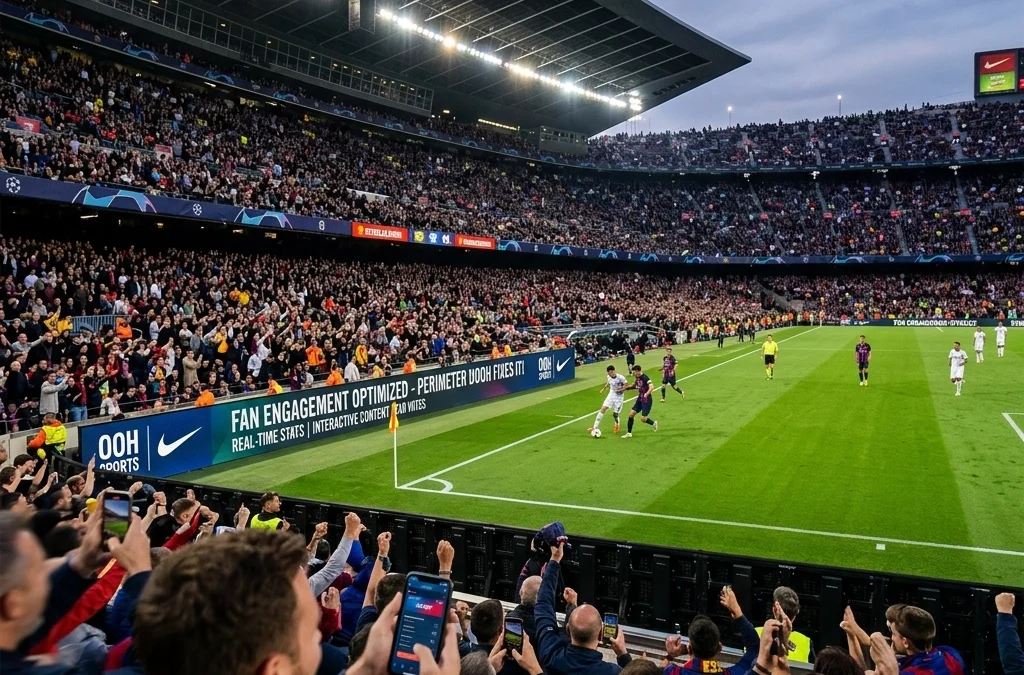
Fan engagement is the cornerstone of sports marketing, yet many brands struggle to convert stadium energy into long-term brand loyalty. Traditional methods often rely on static signage or fragmented social media pushes that fail to capture the high-intensity atmosphere of a live event. As the industry moves toward a more integrated digital landscape, creative directors and CMOs are identifying significant gaps in their current strategies.
Perimeter Digital Out-of-Home (DOOH) advertising offers a high-impact solution to these common pitfalls. By placing dynamic, data-driven content directly in the fan's line of sight, brands can bridge the gap between physical presence and digital interaction. This shift is essential as the market evolves. Industry projections suggest that DOOH sports advertising will hit 50 billion by 2030, highlighting a massive transition toward digital assets in the stadium environment.
1. Neglecting Real-Time Engagement Opportunities
One of the most frequent mistakes in fan engagement is failing to react to the rhythm of the game. Many brands use "set it and forget it" content that remains the same regardless of whether the home team just scored or the game is in a tense timeout. This static approach creates a disconnect.
Perimeter DOOH fixes this by allowing for real-time triggers. When a specific event occurs on the field, the digital boards can instantly update to reflect the mood of the crowd. This level of responsiveness ensures that the brand is part of the conversation rather than a background distraction. Brands that leverage real-time sports betting campaigns, for example, can convert in under 24 hours by staying relevant to the immediate action.
2. Lack of Variety in Creative Execution
Posting a single logo or a repetitive slogan for the duration of a multi-hour event leads to audience fatigue. Research indicates that variety is essential for maintaining interest. Many marketers focus on a one-dimensional presence, which limits the ability to connect with diverse audience segments within the stadium.
With perimeter DOOH, creative directors can rotate multiple assets, tell a story throughout the match, or highlight different product features. This flexibility prevents the message from becoming "white noise." Instead of a single static board, the perimeter becomes a living canvas. This strategy mirrors the success seen in programmatic campaigns where variety drives higher consideration, such as the 144 percent increase in purchase consideration seen in Sea-Doo’s first DOOH campaign.
3. Misalignment Between Digital and Physical Channels
A common mistake is treating stadium advertising and digital marketing as two separate silos. When the social media team and the sponsorship team do not communicate, the result is a fragmented fan experience. Fans might see one message on the stadium screen and a completely different one on their phones while they browse during halftime.
Perimeter DOOH serves as the connective tissue. By utilizing programmatic platforms, brands can synchronize their stadium presence with mobile retargeting. This omnichannel approach ensures that the brand message remains consistent. It transforms a localized stadium ad into a broader digital experience, similar to how Nike effectively owned the presence at the NYC Marathon without being an official sponsor, simply by utilizing strategic OOH placements to surround the event.
4. Over-Reliance on Vanity Metrics
Marketers often fall into the trap of measuring success solely through impressions or "eyes on the screen" without understanding the actual impact on brand sentiment or purchase intent. Vanity metrics provide a surface-level view but fail to justify the significant investment required for premium sports sponsorships.
Modern DOOH technology allows for more sophisticated measurement, including brand lift studies and foot traffic attribution. By tracking device IDs exposed to the perimeter screens, marketers can determine how many fans later visited a website or a physical retail location. This data-backed approach is proven to work. For instance, AB InBev’s Mike’s Hard Iced Tea saw a 119 percent lift in positive brand image through a programmatic DOOH campaign that focused on measurable outcomes rather than just impressions.
5. Ignoring the "Second Screen" Fan Journey
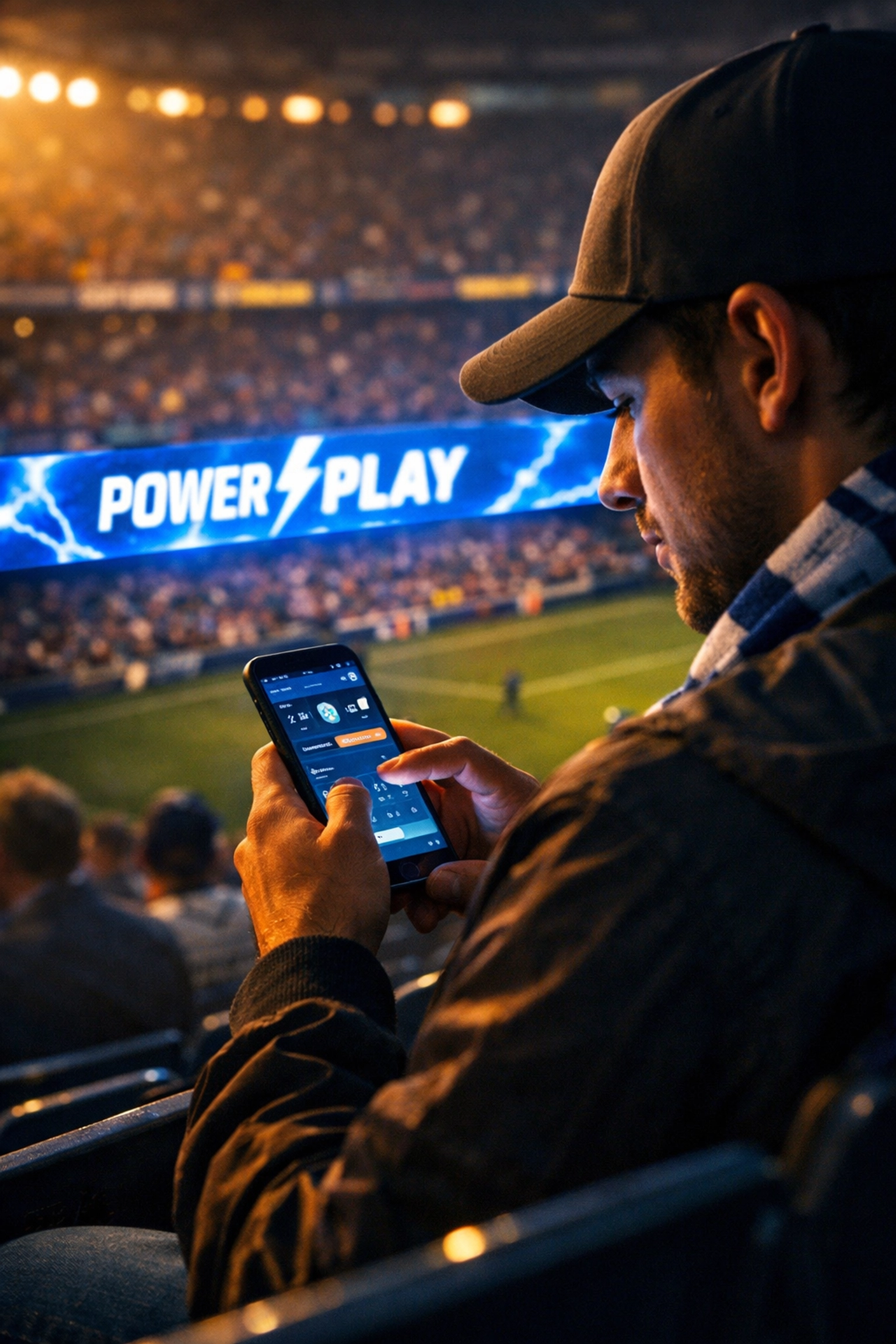
The modern fan is almost always on their phone during a game, checking stats, posting to social media, or texting friends. A major mistake in fan engagement is failing to account for this second-screen behavior. If a perimeter ad does not provide a reason for the fan to look up or a way to engage further on their device, it misses the mark.
Perimeter DOOH can include QR codes, social media handles, or "text-to-win" prompts that encourage immediate digital interaction. This creates a bridge from the physical stadium environment to the brand’s digital ecosystem. By integrating these elements, brands can capture data and build a retargeting pool that extends far beyond the final whistle.

6. Slow Execution and Lack of Agility
Traditional stadium sponsorships often involve long lead times, physical production of vinyl banners, and rigid contracts. This makes it impossible to pivot based on market trends, new product launches, or seasonal changes. Marketers who rely on these traditional methods are often stuck with outdated creative.
Programmatic DOOH removes these barriers. Campaigns can be launched, paused, or adjusted in near real-time. This agility is a game-changer for CMOs who need to react to shifting budgets or market opportunities. The shift is so significant that 67 percent of media planners are expected to shift budgets toward these digital assets by 2026. This allows for a more "always-on" engagement strategy that keeps the brand relevant year-round.
7. Failing to Localize the Message
Even in a national or global sports event, the audience in the stadium has a local or specific interest. A generic, one-size-fits-all message often fails to resonate. Mistakenly ignoring the local context can make a brand feel distant or out of touch with the fan base.
Perimeter DOOH allows for hyper-local targeting. Brands can tailor their creative to the specific city, the specific rivalry, or even the local weather conditions. This level of personalization makes the brand feel like a part of the local community. For example, during the holiday season, localized OOH can turn New York City into the ultimate shopping destination by tailoring messages to the unique flow of the city’s foot traffic and stadium crowds.
Strategy: How Perimeter DOOH Delivers Better ROI
To fix these engagement mistakes, a clear strategy involving technology and data is required. Perimeter DOOH is not just about the screen. It is about the ecosystem behind it.
Objective & Strategy
The primary objective is to move from passive viewership to active engagement. This is achieved by using perimeter screens as a high-visibility anchor for a broader omnichannel campaign. The strategy involves using dynamic creative that changes based on game triggers, ensuring the message is always contextually relevant.
Technology Partners
Success in this space relies on robust technology. Utilizing a Demand Side Platform (DSP) like StackAdapt allows for the programmatic purchase of these assets. These platforms enable marketers to set specific parameters for when and where their ads appear, ensuring maximum efficiency. The adoption of these tools is growing as more brands realize the benefits of driving programmatic DOOH adoption in omnichannel campaigns.
Measurable Results
The shift to digital perimeter advertising yields clear, quantifiable results. Unlike traditional boards, DOOH provides a data trail. Marketers can measure:
- Purchase Consideration: Quantifiable increases in how likely a fan is to buy the product.
- Brand Favorability: Shifts in how the brand is perceived pre- and post-exposure.
- Attribution: Direct links between screen exposure and digital or physical actions.
For instance, White Claw’s programmatic campaign drove a 74 percent lift in purchase consideration for their vodka launch. These figures demonstrate that the combination of high-impact visuals and programmatic targeting outperforms traditional, static methods.
The Future of Fan Engagement
The mistakes of the past: static creative, lack of data, and fragmented messaging: are being corrected by the rise of stadium perimeter DOOH. As traditional sponsorships are being re-evaluated, the flexibility and power of digital screens are becoming the new standard. Some experts even ask if traditional stadium sponsorships are dead, as 25,000 digital screens begin to redefine the landscape.
For CMOs and creative directors, the path forward is clear. By embracing the programmatic capabilities of perimeter DOOH, brands can move beyond simple impressions and create meaningful, real-time connections with fans. This approach not only fixes the common mistakes of the past but also sets the stage for a more measurable and impactful future in sports marketing. Integrating these strategies ensures that every second of game time is also an opportunity for brand growth.