
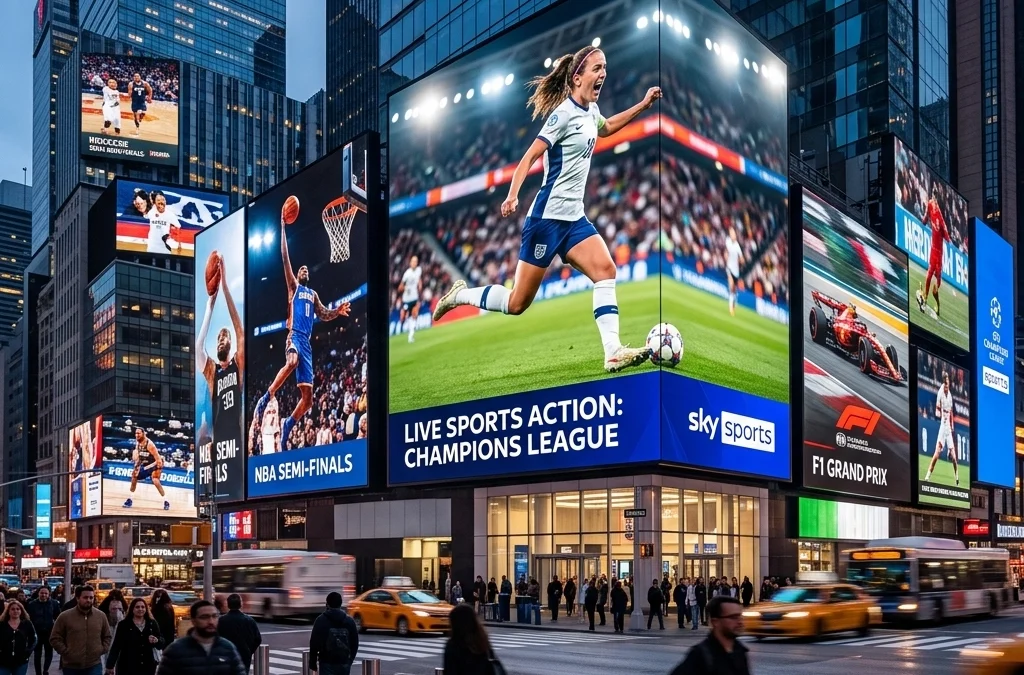
Digital Out-of-Home (DOOH) advertising is moving faster than a championship breakaway. For brands and partners looking to capture the attention of sports fans, the landscape has shifted from static billboards to dynamic, data-driven experiences. Staying ahead requires more than just a big budget. It requires a strategy built on the latest industry insights and a deep understanding of how fans interact with technology in the real world.
This guide provides a comprehensive look at the best advice for navigating the DOOH space. Whether the goal is to increase purchase consideration or build long-term brand loyalty, these strategies are designed to deliver measurable results.
Creative Quality is the Engine of Success
The single most important piece of advice for any DOOH campaign is to prioritize creative quality. Research indicates that creative execution accounts for nearly 50 percent of a campaign’s effectiveness. In some cases, high-quality creative can drive a sales lift between 50 and 86 percent.
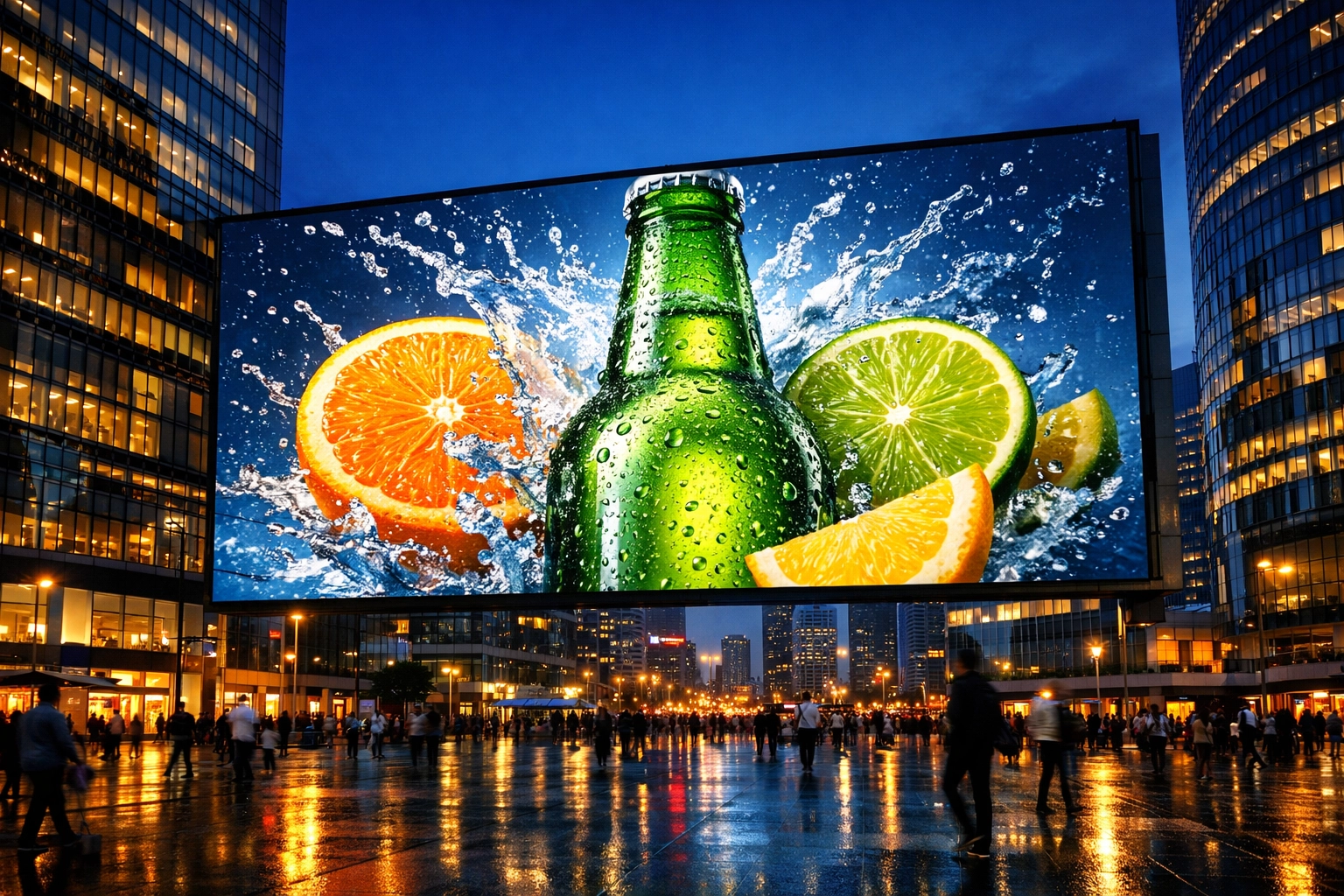
Many marketers make the mistake of repurposing social media assets or television commercials for outdoor screens. This is a missed opportunity. DOOH requires a specific approach. Messaging must be clear, bold, and professional. Because audiences are often on the move, the core value proposition needs to be understood in seconds.
Consider the success of White Claw. By focusing on high-impact visuals for their vodka launch, they achieved a 74 percent lift in purchase consideration. You can read more about that specific strategy here: White Claw’s Programmatic DOOH Campaign. The lesson is simple. Invest in the design phase as much as the placement phase.
Prioritize High-Intent Locations Over High Traffic
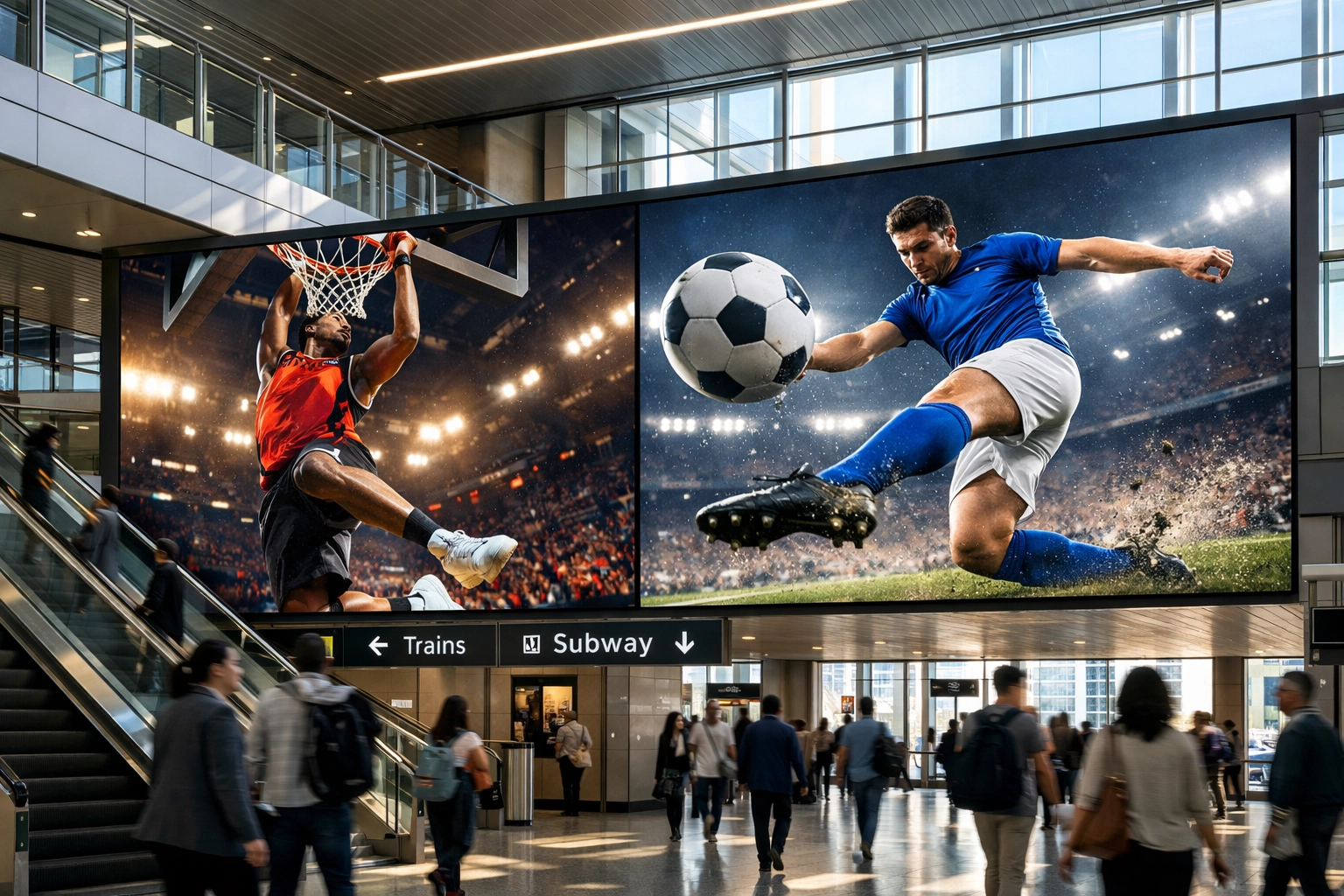
It is a common misconception that the best screen is the one with the most eyeballs passing by it. While reach is important, dwell time and contextual relevance often drive better results. A screen in a crowded transit hub might see thousands of people, but a screen in a sports bar, a gym, or near a stadium entrance captures a high-intent audience.
Different venues require different creative strategies. Large-format screens are excellent for broad brand awareness, but smaller, contextual placements often do the heavy lifting for purchase decisions. For example, placing ads near point-of-sale locations or in environments where fans are already thinking about sports creates a natural bridge to the brand.
Targeting stadium perimeters is a prime example of this strategy. It allows brands to reach fans at the peak of their emotional engagement. This approach often delivers a higher return on investment than traditional stadium sponsorships because it allows for more flexibility and lower entry costs. To see how this compares to traditional methods, check out this breakdown: Programmatic DOOH vs. Traditional Stadium Ads.
The Power of Programmatic DOOH (pDOOH)
The transition to programmatic buying has fundamentally changed the industry. Programmatic DOOH allows advertisers to buy inventory in real-time, optimizing spend based on live data. This includes audience movement, weather patterns, time of day, and even live game scores.
Instead of buying a fixed loop for a month, marketers can now trigger ads to appear only when specific conditions are met. This level of precision ensures that no part of the budget is wasted. AI-powered audience segmentation and bid adjustments help allocate resources to the most effective screens at the most effective times.
For sports marketers, real-time triggers are a game changer. Campaigns for sports betting, for instance, can be launched and adjusted in under 24 hours to reflect the latest odds or injuries. This agility is what separates modern marketing from the old way of doing things. You can explore how to execute these fast-turnaround campaigns here: Launch Real-Time Sports Betting DOOH Campaigns.
Integrating DOOH into an Omnichannel Strategy
DOOH should never exist in a vacuum. The most successful campaigns are those that connect the physical world with the digital world. By syncing DOOH placements with mobile ad activations, brands can retarget fans who have been exposed to their outdoor screens.
Imagine a fan walking toward a stadium and seeing a large digital display for a new sneaker. Later, while checking scores on their phone inside the venue, they receive a mobile ad for that same shoe. This reinforcement builds a consistent brand experience across multiple touchpoints.
Nike demonstrated the power of this "ambush" style marketing during the NYC Marathon. Despite not being an official sponsor, their strategic use of outdoor placements made them the most visible brand of the event. Their story is a masterclass in omnichannel thinking: Nike’s NYC Marathon Strategy.
Moving Toward Data-Driven Attribution
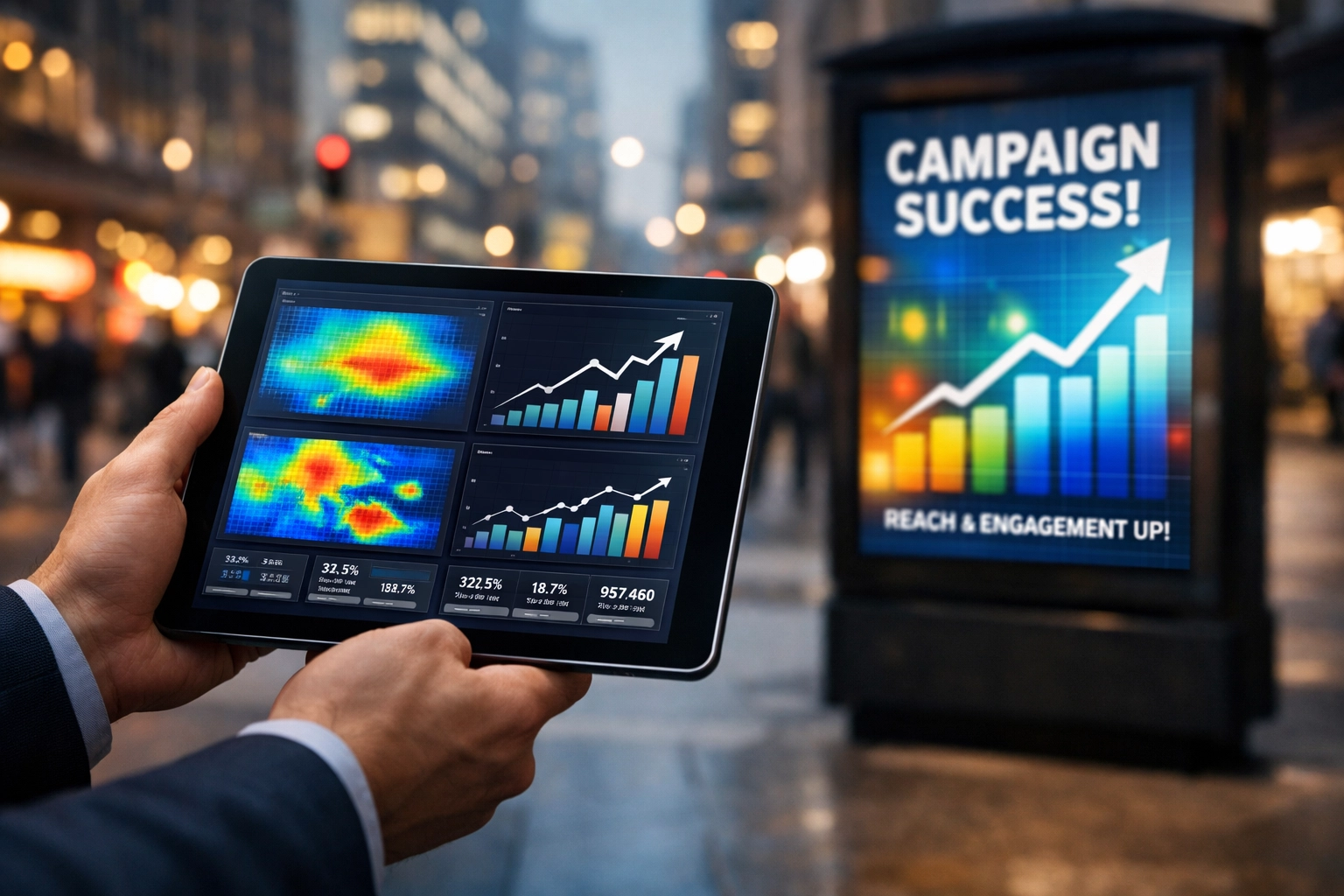
The era of "guessing" if a billboard worked is over. Modern DOOH provides deep analytics that prove campaign success. Advertisers can now track foot traffic lift, brand engagement, and even direct conversion rates.
By using device IDs and location data, it is possible to see how many people visited a store or a website after being exposed to a specific screen. This level of transparency is essential for proving ROI to stakeholders. Brands that ignore these analytics often find themselves wasting time on guesswork.
To avoid the common pitfalls of measurement, it is important to use AI-powered tools that provide clear, actionable insights. For a deeper look at the metrics that actually matter, read more here: 7 AI-Powered DOOH Analytics.
Why the Sports DOOH "Gold Rush" is Happening Now
Media planners are shifting their budgets toward sports-focused DOOH at a record pace. Reports suggest that DOOH sports advertising could hit $50 billion by 2030. This shift is driven by the unique ability of sports to gather large, engaged audiences in a world where media consumption is increasingly fragmented.
Traditional stadium sponsorships are often prohibitively expensive and lack the flexibility of digital screens. Digital networks offer a more accessible entry point for brands of all sizes. Whether it is a local business or a global beverage company like Mike's Hard Iced Tea, the ability to target specific fan demographics is proving to be more effective than broad-stroke traditional media.
Mike's Hard Iced Tea saw a 119 percent lift in positive brand image through a programmatic campaign. This success illustrates why 67 percent of media planners are shifting their budgets toward these digital solutions. You can find more details on this budget shift here: The Sports DOOH Gold Rush.
Practical Steps for Your Next Campaign
To put this advice into action, follow these logical steps:
- Define the Context: Don't just pick screens based on price. Pick them based on where the target fan is most likely to be receptive to the message.
- Optimize the Creative: Ensure the visuals are high-contrast and the text is minimal. Test the creative on a small screen from six feet away. If it is hard to read, it will not work on a billboard.
- Choose the Right Partners: Work with platforms that specialize in programmatic DOOH. This ensures access to the best inventory and the most accurate data.
- Connect the Channels: Plan mobile retargeting simultaneously with the DOOH launch to maximize the impact of every impression.
- Measure and Adjust: Use real-time analytics to see what is working. If a specific location is underperforming, programmatic tools allow for an immediate shift in budget to better-performing screens.
Conclusion: The Future is Fan-Centric
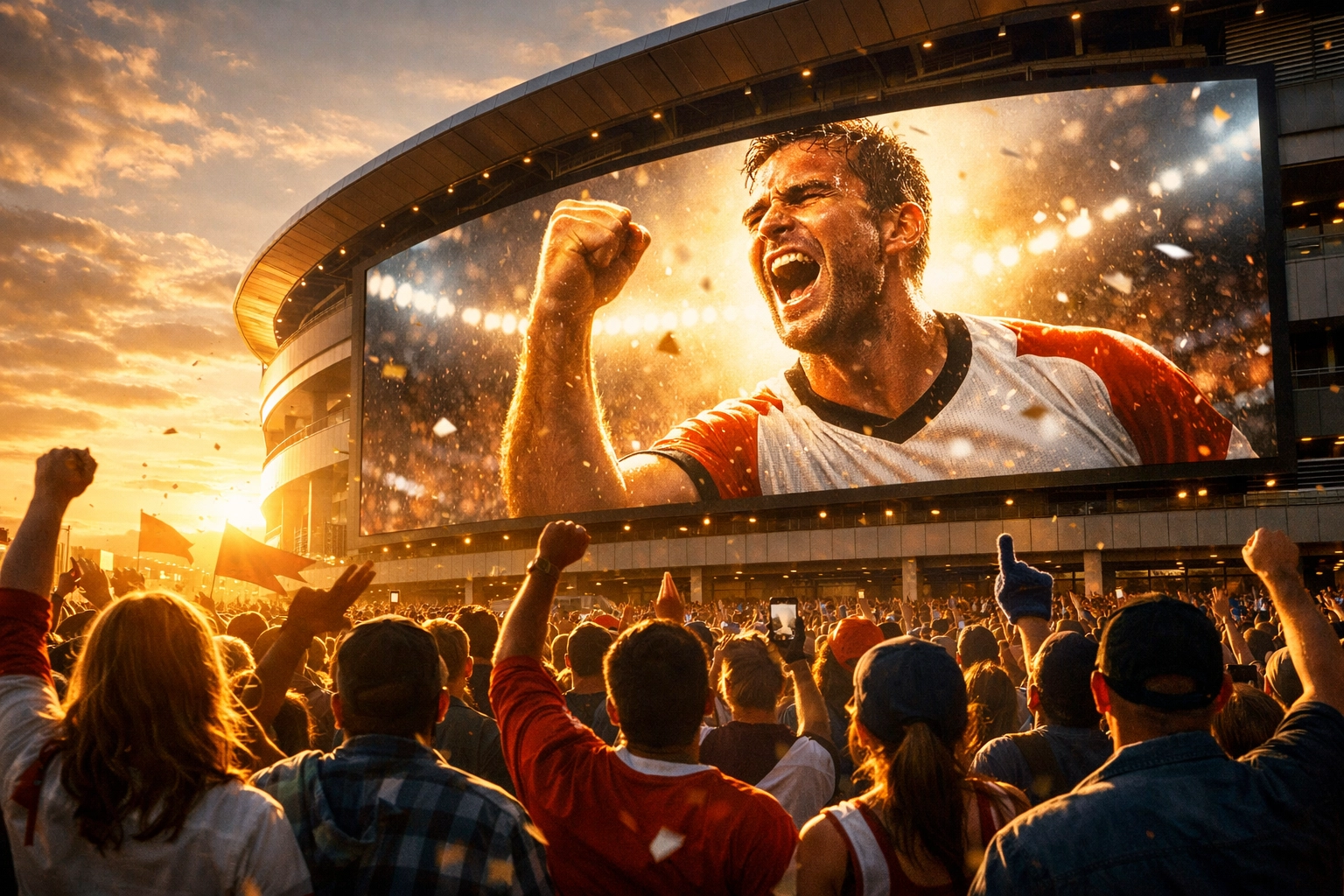
The best advice for DOOH is to keep the fan at the center of the strategy. Campaigns that provide value, whether through helpful information or high-quality entertainment, consistently outperform those that are purely brand-centric. By combining the emotional power of sports with the technical precision of digital advertising, brands can create moments that resonate long after the game is over.
The growth of this industry is not just about more screens. it is about smarter screens. As AI and data continue to evolve, the opportunities for creative storytelling will only expand. For those ready to embrace these trends, the potential for growth is significant.
For a final look at how to balance fan needs with brand objectives, this guide is a great resource: Fan-Centric vs. Brand-Centric Campaigns.
The industry is evolving. The tools are ready. The only question is how your brand will choose to show up on the big screen.