
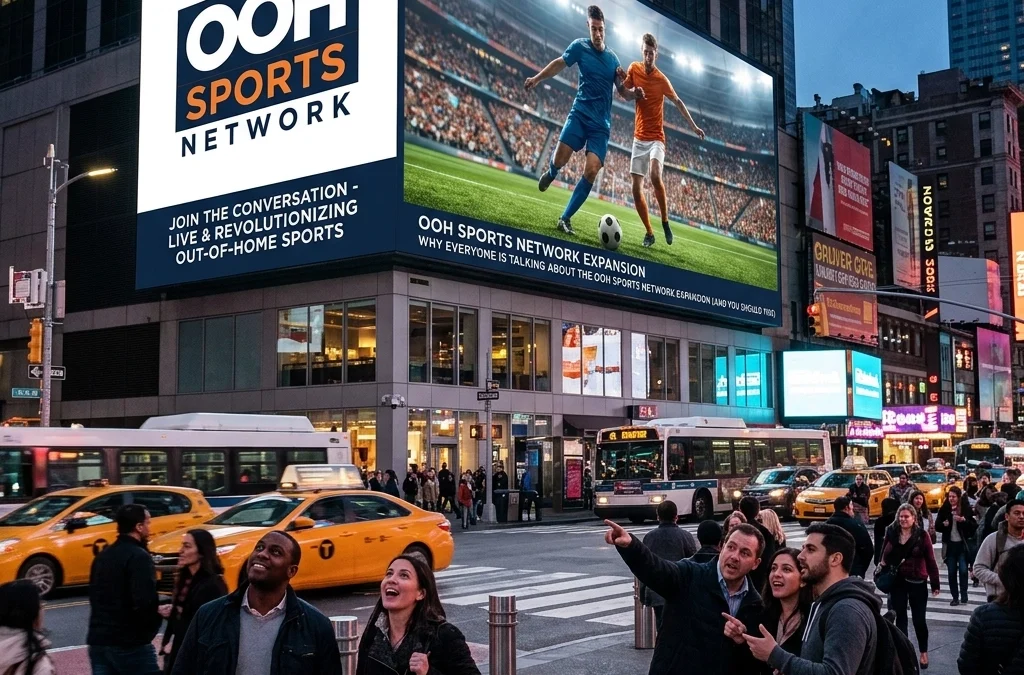
The landscape of sports advertising is undergoing a significant transformation. As traditional media consumption habits shift, the industry has seen a massive move toward digital out-of-home (DOOH) solutions. At the center of this conversation is the OOH Sports network expansion. With a footprint that has grown to include more than 25,000 digital screens, the network is redefining how brands connect with fans. This expansion represents more than just a numbers game, it is a fundamental shift from static, limited signage to a dynamic, data-driven advertising ecosystem that spans the entire nation.
Strategic Reach Across 25,000 Screens
The growth of the OOH Sports network to over 25,000 screens provides advertisers with a level of scale previously reserved for television or social media giants. This milestone allows for the execution of cohesive national campaigns that can be activated simultaneously across a variety of sports-related environments. The inventory is no longer confined to the interior of a stadium. Instead, it covers a wide array of high-traffic areas where sports fans naturally congregate.

This network includes digital displays in sports venues, fan zones, transit hubs, and major high-traffic corridors across the United States. For media buyers, this eliminates the logistical headache of piecing together fragmented regional buys. Instead, a single strategy can be deployed across a massive, unified network. As noted in the industry, the scale provided by 25,000 digital screens is changing the way marketers view sports sponsorships.
The Shift from Static to Programmatic
The transition from traditional static billboards to programmatic DOOH is a key driver behind the current industry buzz. Traditional stadium ads often require long lead times, physical installation, and high entry costs. In contrast, the OOH Sports network expansion focuses on digital flexibility.
By utilizing programmatic technology, advertisers can automate campaign deployment and optimize their messaging in real time. This means that a brand can change its creative based on the score of a game, the weather, or specific audience demographics present at a given moment. This level of agility ensures that marketing budgets are spent with maximum efficiency. Programmatic DOOH delivers a level of ROI that traditional stadium ads often struggle to match, particularly because it allows for granular targeting and data-backed adjustments.

Targeting the Complete Fan Journey
One of the most significant advantages of the OOH Sports network expansion is the ability to target the complete fan journey. Sports marketing is no longer just about the three hours a fan spends in their seat. It starts the moment they leave their home and continues until they return.
The 25,000 screens are strategically positioned to capture attention at every touchpoint. This includes:
- Transit hubs and parking facilities where fans begin their journey.
- Concourses and entry gates where anticipation is at its peak.
- Fan zones and sports bars where engagement remains high.
- High-traffic corridors where fans travel post-game.
By using geographically targeted DOOH strategies, brands can deliver location-specific messaging that corresponds to fan behavior. For example, a beverage brand might display ads for a refreshing drink during the pre-game heat, then switch to a "celebration" message near transit exits after a home team victory.
Data-Driven Decision Making and Measurement
In the past, out-of-home advertising was often criticized for a lack of clear measurement. The OOH Sports network expansion solves this problem by integrating advanced AI-powered analytics. Media buyers now have access to data that proves campaign success with the same precision as online advertising.
By tracking device IDs and utilizing brand lift studies, the network provides clear evidence of how a campaign impacts consumer behavior. This shift is vital for media planners who are increasingly moving budgets away from "guesswork" and toward proven channels. In fact, many industry leaders are shifting budgets toward DOOH because of the sophisticated measurement tools now available.

Campaigns on the network have already shown impressive results. For instance, brands like Sea-Doo have seen a 144 percent increase in purchase consideration by leveraging these digital strategies. Similarly, White Claw achieved a 74 percent lift in purchase consideration for their vodka launch by utilizing the network’s programmatic capabilities.
Capturing a Share of a Growing Market
The timing of this network expansion aligns with broader market trends. Projections suggest that digital out-of-home spending will hit a massive portion of total OOH spend in the coming years. Specifically, some estimates indicate that sports-related DOOH advertising will reach $50 billion by 2030.
The OOH Sports network expansion is designed to capture this growth by providing a platform that is accessible to both national giants and regional players. Because the network is programmatic, it removes the high barrier to entry typically associated with sports sponsorships. Small to medium-sized brands can now bid on specific screen locations or time slots, allowing them to compete in the same spaces as major global brands.

Real-Time Execution and Efficiency
The ability to launch and adjust campaigns in under 24 hours is a hallmark of the new network. In the fast-paced world of sports, things change quickly. A star player might be traded, a team might go on an unexpected winning streak, or a major event might be rescheduled. Traditional signage cannot keep up with these changes, but a digital network of 25,000 screens can.
Advertisers can now launch real-time sports betting campaigns or promotional offers that react to live game data. This responsiveness creates a more relevant experience for the fan and a more effective campaign for the brand. It moves the conversation from generic brand awareness to highly relevant, timely engagement.
Strategic Alignment and Best Practices
To make the most of the expanded OOH Sports network, media buyers are focusing on several key strategies:
- Audience-Centric Targeting: Rather than just buying "sports fans," advertisers are using data to target specific fan profiles based on their location and the events they attend.
- Omnichannel Integration: The network is often used as a physical extension of a digital campaign. If a user sees an ad on their phone and then sees the same brand on a large digital screen at the stadium, the brand recall is significantly higher.
- Creative Optimization: Using dynamic creative that changes based on the context of the environment. Avoiding common mistakes in sports DOOH often involves ensuring the creative is optimized for the specific viewing distance and dwell time of each screen location.
Conclusion: The New Standard for Sports Marketing
The OOH Sports network expansion to 25,000+ digital screens is not just a growth milestone, it is a new standard for the industry. By combining the massive reach of traditional out-of-home with the precision and flexibility of digital advertising, the network offers a solution that meets the needs of modern media buyers.
As brands look for ways to cut through the digital noise and reach consumers in the real world, the OOH Sports network provides a proven, scalable, and data-driven path to success. Whether the goal is to drive brand lift for a major beverage launch like Mike's Hard Iced Tea or to capture the holiday shopping crowd in major hubs like New York City, the expansion ensures that the right message reaches the right fan at the perfect moment.
The conversation around the OOH Sports network is growing because the results are undeniable. As the network continues to evolve, it remains the primary choice for advertisers who want to stay ahead in the competitive world of sports marketing.