
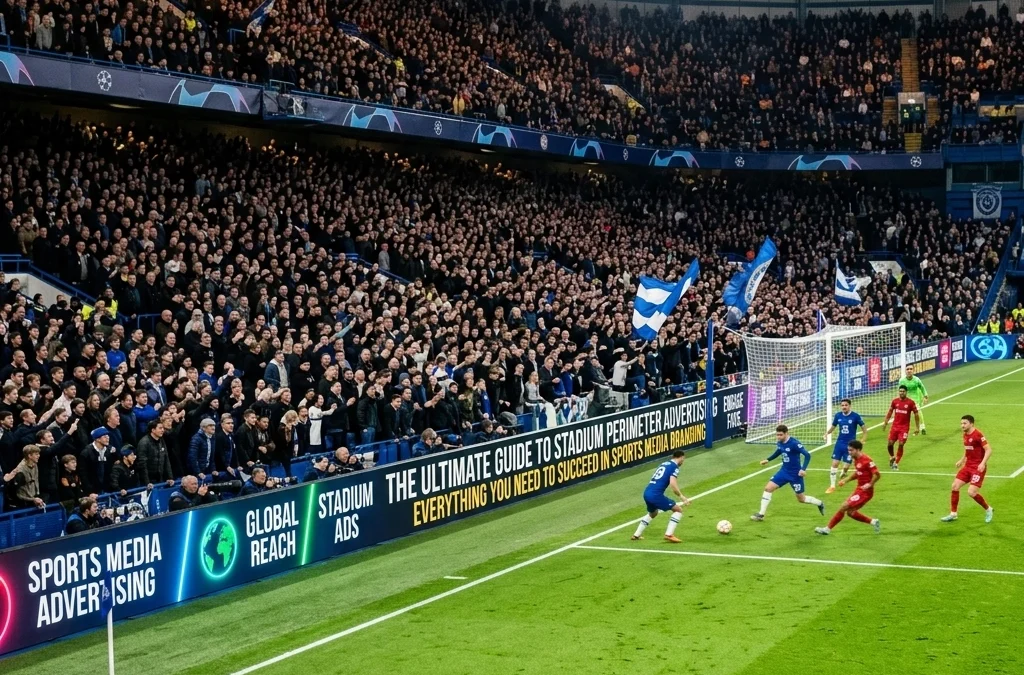
Stadium perimeter advertising is one of the most recognizable forms of sports marketing. It consists of the high-definition LED displays that wrap around the field or court, providing a continuous loop of brand messaging during live events. This platform serves as a bridge between the physical excitement of the game and the massive global audience watching through broadcast and digital streams. For creative directors and Chief Marketing Officers (CMOs), understanding the mechanics and strategic advantages of this medium is essential for driving brand equity in a crowded marketplace.
OOH Sports provides a comprehensive approach to this medium, leveraging advanced technology to ensure that brands remain at the center of the action. This guide explores the strategies, technical requirements, and measurement tactics necessary to execute a successful stadium branding campaign.
The Strategy Behind Perimeter Visibility
The primary objective of stadium perimeter advertising is to achieve high-frequency brand exposure in a high-attention environment. Unlike television commercials that viewers might skip or digital ads that are often blocked, perimeter ads are integrated into the content itself. They are visible whenever the ball is in play, during celebrations, and during crucial game-deciding moments.
This placement offers an uninterrupted connection with the audience. When a brand occupies the perimeter, it gains a level of prestige associated with the sport and the venue. The strategy focuses on three core pillars:
- Unavoidable Reach: The ads are captured by every broadcast camera, meaning a single placement in a stadium can reach millions of viewers worldwide.
- Emotional Association: By appearing during moments of high athletic achievement, brands benefit from a positive emotional transfer from the fan to the advertiser.
- Frequency and Recall: The repetitive nature of the LED loop reinforces brand recognition without disrupting the fan experience.
For brands looking to understand how these tactics compare to other methods, exploring the differences between programmatic DOOH and traditional stadium ads can provide clarity on where to allocate budgets for maximum impact.

Technology and Tactical Implementation
Modern stadium advertising has evolved from static boards to sophisticated digital systems. Today, the industry standard involves IP65-rated, broadcast-ready LED panels. These screens must be capable of maintaining color accuracy and clarity under intense stadium lighting and through the lens of high-definition television cameras.
The implementation of these campaigns often involves several technical layers.
Real-Time Creative Optimization
The shift to digital allows for real-time creative updates. Brands no longer need to commit to a single static image for an entire season. Creative directors can now deploy dynamic content that reacts to the game. For example, if a specific player scores, the perimeter boards can instantly switch to a congratulatory message featuring that player and the brand logo.
Programmatic Integration
The integration of programmatic buying into the sports environment has revolutionized how media planners view stadium assets. Programmatic digital out of home (DOOH) allows for data-driven triggers. Campaigns can be activated based on weather conditions, game scores, or even local audience demographics. This level of precision was previously impossible with traditional sponsorships. This shift is a major reason why a significant percentage of media planners are moving budgets toward sports DOOH.

Fan Engagement and Branding
The modern fan is not a passive observer. Fans are multi-tasking, often using mobile devices while watching the game in person or on TV. Effective stadium perimeter advertising acknowledges this behavior by creating a "second-screen" synergy.
Driving Digital Action
Creative that includes QR codes or social media hashtags encourages fans to engage with the brand immediately. This tactic turns a high-funnel awareness tool into a mid-funnel engagement driver. For instance, a brand might offer a limited-time discount that is only accessible via a code displayed on the stadium LED boards during halftime.
Real-Time Sports Betting and Conversion
The rise of legal sports betting has created a new niche for real-time perimeter advertising. Betting operators can use the LED boards to display live odds that update as the game progresses. This direct-to-consumer approach has proven highly effective. Some campaigns have successfully launched real-time sports betting DOOH ads that convert in under 24 hours.
Measuring the Impact: Data and Results
One of the historical challenges of out of home advertising was measurement. However, OOH Sports utilizes advanced analytics to quantify the success of stadium campaigns. By tracking device IDs and utilizing brand lift studies, advertisers can see exactly how their perimeter presence translates into consumer action.
Quantifiable Success Stories
Data consistently shows that high-impact DOOH campaigns in sports environments drive significant results. Consider these industry benchmarks:
- Purchase Consideration: Campaigns for major beverage brands have seen a 74% lift in purchase consideration following targeted programmatic DOOH activations.
- Brand Image: For established brands in competitive categories, consistent stadium presence has resulted in a 119% lift in positive brand image.
- High-Intent Actions: Specialized outdoor equipment brands have reported purchase consideration increases as high as 144% when utilizing sports-focused DOOH.
These results highlight the power of combining the scale of a stadium with the precision of digital targeting. For more detail on how these measurements are calculated, brands can review how AI-powered analytics are fixing common measurement mistakes.

Strategic Choices for CMOs and Creative Directors
When planning a stadium perimeter campaign, leadership must make several key decisions regarding the creative and the placement.
Content Duration and Loop Frequency
The length of the ad "spot" on the LED board matters. Shorter, high-frequency rotations are often better for brand name recognition, while longer slots allow for more complex storytelling or the display of multiple product features.
Visual Hierarchy
Because the field of play is the primary focus of the viewer, the advertising creative must be simple and bold. High contrast, large fonts, and minimal text are essential. The goal is to be legible even when the camera is moving quickly across the field.
Contextual Relevance
A brand that sells athletic apparel should focus on performance-based messaging, while a lifestyle brand might focus on the social aspect of the game. Aligning the creative with the "vibe" of the specific sport or stadium is a subtle but effective way to increase fan affinity.

The Future of Stadium Media
The landscape of sports marketing is shifting away from static sponsorships toward a more fluid, digital-first model. Traditional stadium sponsorships are being supplemented, and in some cases replaced, by vast networks of digital screens that offer more flexibility and better data.
The growth of this sector is significant. Industry projections suggest that DOOH sports advertising will reach massive valuations by 2030. Brands that adopt these technologies now will be better positioned to dominate the sports media landscape.
OOH Sports remains at the forefront of this evolution, helping brands navigate the complexities of stadium perimeter advertising. By focusing on simple, impactful messaging and leveraging the latest in programmatic technology, advertisers can ensure their brand is not just seen, but remembered.
Best Practices Summary
To succeed in stadium perimeter advertising, brands should follow these fundamental steps:
- Prioritize Clarity: Use high-contrast visuals and large typography.
- Leverage Data: Use programmatic triggers to ensure the message is relevant to the current moment.
- Measure Everything: Utilize brand lift studies and device tracking to verify ROI.
- Be Dynamic: Move beyond static images and use the full capabilities of LED technology for animation and real-time updates.
- Integrate Channels: Ensure the stadium message aligns with social media and broadcast campaigns for a unified brand story.
Stadium perimeter advertising is more than just a background element. It is a powerful, data-driven tool that, when executed correctly, provides a level of brand authority and audience engagement that few other mediums can match. For brands ready to take center stage, the perimeter is the place to be.