
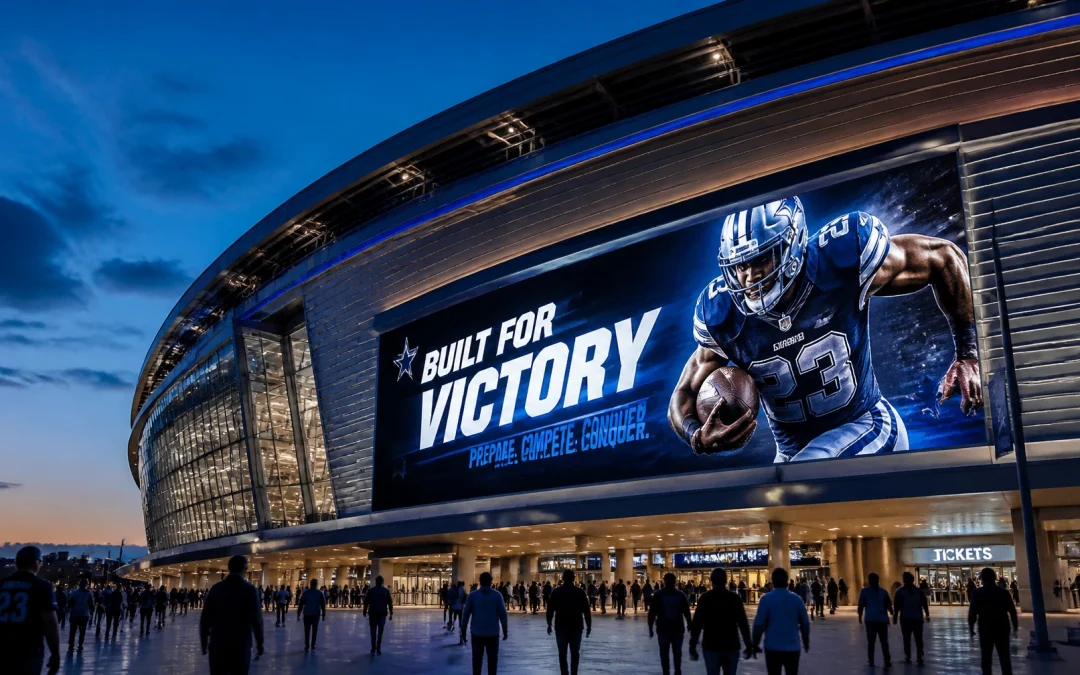
The landscape of sports marketing has undergone a dramatic transformation, moving far beyond the static signage and traditional television spots of previous decades. Today, the integration of Digital Out-of-Home (DOOH) technology provides brands with a dynamic and measurable way to connect with fans in real time. For media buyers and brand managers, this shift represents a move from passive visibility to active engagement. The ability to deploy high-impact, data-driven content in the immediate vicinity of sports venues has redefined how sponsorships are executed and measured.
Objective & Strategy
The primary objective of modern sports DOOH is to bridge the gap between the physical excitement of a live game and the digital convenience of modern consumer behavior. Successful campaigns are no longer about merely "being seen" at a stadium. Instead, the strategy focuses on capturing the attention of a highly concentrated, emotionally charged audience during their entire journey.
A critical component of this strategy involves geographic precision. Campaigns are often centered around a 10-mile radius surrounding major sports venues. This perimeter targeting ensures that a brand remains top-of-mind as fans travel to the arena, socialize in nearby bars and restaurants, and return home. By utilizing a network of digital video advertising boards, brands can maintain a consistent presence throughout the fan’s lifecycle on game day.
Dynamic Creative and Live Data Integration
One of the most significant innovations in the sector is the use of dynamic, data-driven creative content. Unlike static billboards that remain unchanged for weeks, DOOH allows for real-time updates based on live sports feeds.
Tactics for Dynamic Engagement
- Live Score Updates: Creative displays can update instantly to show the current score, time remaining, or key player statistics. This turns an advertisement into a valuable utility for fans who may be outside the stadium.
- Contextual Triggers: Ads can be programmed to change based on the weather, the time of day, or the outcome of a match. For instance, a beverage brand might trigger a "victory celebration" creative immediately following a home team win.
- Tournament Progression: Research indicates that evolving creative arcs are more effective than static imagery. A study by QMS and Moving Walls noted that DOOH campaigns with creative that evolves over a five-day period deliver a 38% higher impact than static advertisements.
By weaving live data into the visual narrative, brands transform their messaging from a generic advertisement into a relevant part of the sporting event itself.

Programmatic DOOH: Efficiency and Automation
The introduction of programmatic technology into the out-of-home space has revolutionized the media buying process. Media planners can now purchase DOOH inventory with the same flexibility and precision once reserved for online display ads.
Benefits for Media Buyers
The shift to programmatic DOOH (pDOOH) allows for sophisticated targeting that goes beyond simple location. Media buyers can leverage:
- Real-Time Bidding: Brands can bid for screen time during peak periods of fan density, such as the two hours leading up to a kickoff.
- Audience Data Integration: By using anonymized mobile location data, brands can identify screens that over-index for specific sports enthusiasts or high-income demographics.
- Flexibility in Execution: Campaigns can be paused, adjusted, or optimized mid-flight based on performance or changing event schedules.
The OOH Sports network has recently hit milestones in delivering this level of programmatic scale, allowing brands to reach fans across thousands of screens with a single automated buy. This efficiency is a core reason why more brand managers are allocating a larger portion of their sponsorship budgets to digital out-of-home channels.

The Omnichannel Connection: Retargeting the "Second Screen"
Innovation in sports DOOH is not confined to the large screens alone. The most effective campaigns use DOOH as a catalyst for a broader omnichannel experience. Fans at a game are notoriously attached to their mobile devices, often checking stats or sharing photos on social media.
Synchronizing the Journey
The synchronization of DOOH and mobile advertising has proven to be a powerful multiplier for brand recall and action. When a fan is exposed to a digital billboard and subsequently receives a retargeted ad on their mobile device, the likelihood of engagement increases significantly. Data suggests that pairing OOH with mobile advertising can lead to a 15% increase in mobile click-through rates.
Furthermore, out-of-home advertising is a primary driver of social media activity. In the sports context, OOH generates seven times more social media posts per dollar spent than any other medium. This "amplification effect" means that a well-placed digital board in a high-traffic area near a stadium can quickly go viral, extending the campaign's reach far beyond those physically present.

Measuring Success: Data and Attribution
For years, the main criticism of out-of-home advertising was the lack of precise measurement. Innovation in data science has largely solved this issue. Today, brand managers can track the impact of their sports DOOH campaigns through various metrics and attribution models.
Key Performance Indicators
- Brand Lift Studies: These studies measure increases in brand awareness, purchase intent, and brand preference. For example, a campaign for the NBA Finals recorded a 7% lift in awareness and a 25% increase in tune-in intent among those exposed to DOOH ads.
- Foot Traffic Attribution: By tracking anonymized device IDs that were exposed to a specific DOOH screen, brands can determine if those individuals later visited a retail location or a restaurant.
- Digital Conversions: Marketers can correlate DOOH exposure with online behaviors, such as website visits, app downloads, or searches for a specific brand name.
In one instance, a leading beverage brand used programmatic DOOH for a product launch and recorded a 74% lift in purchase consideration. These quantifiable results provide media buyers with the evidence needed to justify investment in sports-focused digital networks.
Innovative Tactics for Sports Sponsorships
To maximize the impact of sports DOOH innovations, brands should consider tactical executions that lean into the unique environment of a sports venue.
Actionable Examples
- The "Hometown Hero" Approach: Use DOOH screens in specific players' hometowns to build local pride and connection, as seen in successful campaigns celebrating national team athletes.
- Countdown to Kickoff: Create a sense of urgency with live countdown timers on digital screens across a city, leading up to the start of a major tournament.
- Transit Hub Saturation: Focus on bus shelters and train stations near stadiums. These contextual placements capture fans during high-dwell times as they wait for transportation.
- Interactive Trivia: Deploy interactive content on concourse screens where fans can participate in polls or trivia via their mobile devices, with results displayed in real time.

Conclusion: Future-Proofing Sports Marketing
As technology continues to evolve, the distinction between "online" and "offline" advertising will continue to blur. Digital out-of-home is at the forefront of this convergence, offering the scale of traditional media with the precision of digital targeting. For brands looking to make an impact in the competitive world of sports, the integration of DOOH is no longer optional: it is a strategic necessity.
By focusing on dynamic creative, programmatic efficiency, and rigorous measurement, brand managers can ensure their message is not just seen, but felt by the fans. The future of sports advertising lies in the ability to deliver the right message, at the right moment, in the very places where sports history is being made.