
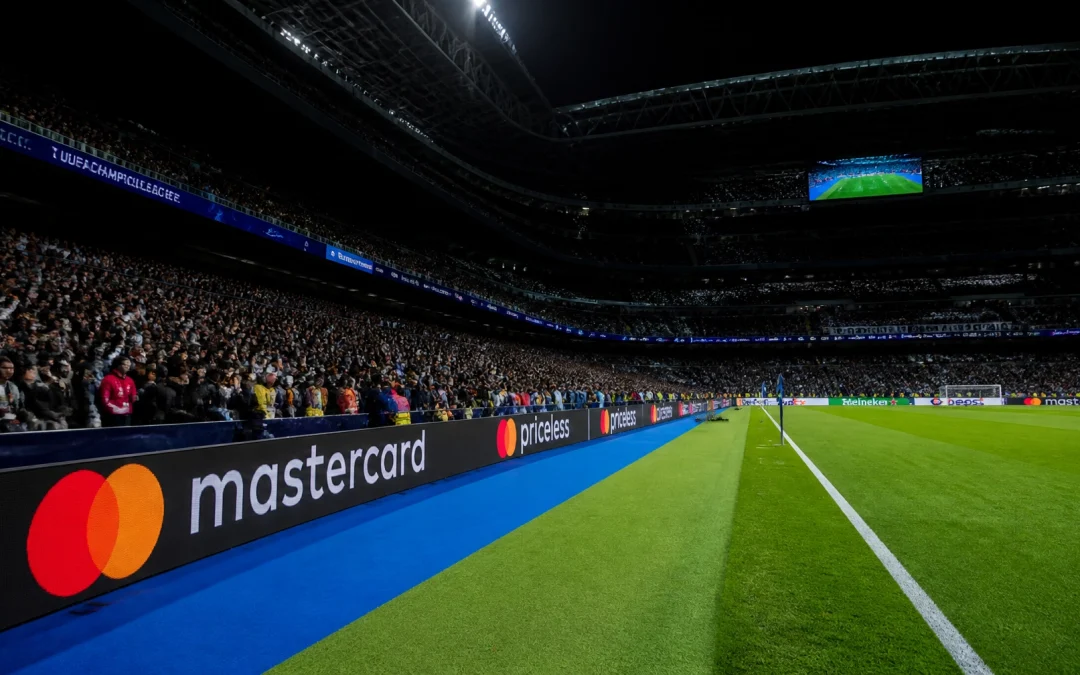
Fan engagement is often discussed as a conceptual goal, yet for the modern brand manager or Chief Marketing Officer, it represents a specific, measurable set of behaviors. Within the sports marketing ecosystem, the stadium is no longer just a physical venue for a game. It is the epicenter of an emotional and high stakes environment where brand loyalty is forged through consistent, high impact visibility. Stadium perimeter advertising, specifically digital out of home (DOOH) assets located within a 10 mile radius of the arena, serves as the primary bridge between a brand and a captive audience.
Effective fan engagement strategies rely on the principle of contextual relevance. When a brand appears in the line of sight of a fan during a pivotal game moment, the association is not merely transactional. It becomes part of the fan experience. This blog post examines the mechanics of stadium perimeter advertising and why it remains a cornerstone for building long term brand equity.
Objective and Strategy
The primary objective of a stadium centric OOH campaign is to achieve maximum frequency and reach during the peak periods of fan activity. This process begins hours before the opening whistle and continues long after the final score is recorded. The strategy is built on the concept of surrounding the fan at every touchpoint of their journey.
Strategically, the use of a 10 mile perimeter allows a brand to dominate the local landscape. By deploying assets across transit shelters, digital billboards, and urban panels surrounding the venue, a campaign establishes an inescapable presence. This geographical focus ensures that whether a fan is commuting, tailgating, or walking to the gate, the brand remains top of mind.
Key Strategy Components:
- Geographic Dominance: Mapping out all high traffic corridors leading to the stadium.
- Temporal Relevance: Scheduling creative to rotate based on the stage of the event, such as pre-game excitement or post-game celebrations.
- Omnichannel Integration: Linking physical displays with mobile retargeting to create a seamless brand loop.

The 10 Mile Perimeter Rule
The effectiveness of OOH sports advertising is amplified by the 10 mile perimeter rule. Research indicates that the influence of a sports event extends far beyond the stadium walls. Fans congregate in bars, restaurants, and fan zones nearby, creating a secondary layer of engagement opportunities.
By utilizing OOH Sports networks, brands gain access to every digital video advertising board within this crucial radius. This ensures that the message is not restricted to those with tickets but reaches the thousands of additional fans in the immediate vicinity. This strategy is particularly effective for large scale events like the World Cup Quarterfinals, where the density of the audience is at its highest.
Tactics for Enhanced Fan Engagement
Fan engagement is driven by more than just visibility. It requires a strategic mix of creative execution and technological precision. Unlike standard digital banners that can be ignored or blocked, stadium perimeter ads are part of the physical environment, making them impossible to skip.
Creative Motion and Dynamic Content
The move from static boards to LED and high resolution digital screens has changed the engagement landscape. Motion naturally draws the human eye. By incorporating short, dynamic animations or real time game updates, brands maintain a high level of visual interest. This technique prevents "ad blindness" and ensures that the brand message is absorbed even during short periods of exposure.
Second Screen Integration
Modern fans are rarely focused on a single screen. They use mobile devices to check stats, post to social media, or participate in betting. Sports DOOH innovation now allows for the integration of QR codes and AR triggers directly on the perimeter boards. This tactic turns a passive viewing experience into an active interaction. When a fan scans a board to unlock an exclusive offer or a live poll, the brand transitions from a spectator to a participant in the fan journey.

Technology Partners and Programmatic Execution
The transition to programmatic DOOH has streamlined the way stadium perimeter advertising is bought and managed. Rather than relying on manual placements, brands now use sophisticated platforms to automate the delivery of creative content. This technological shift allows for real time adjustments based on live data triggers.
Programmatic partners enable brands to bid on inventory in real time, ensuring that budget is allocated to the most impactful moments. For example, a beverage brand might increase its bid frequency during a half time break when fans are most likely to head to the concourse for refreshments. This level of precision is what makes fan engagement strategies truly effective in a competitive market.
Benefits of Programmatic DOOH:
- Flexibility: The ability to swap creative assets instantly based on game outcomes or weather conditions.
- Efficiency: Reducing waste by targeting specific windows of high fan density.
- Data Driven Decisions: Using historical traffic and audience data to pick the best performing screens.

Results and Measurement
The success of stadium perimeter advertising is measured through a combination of brand lift studies and behavioral data. Historically, OOH was viewed as a top of funnel awareness tool, but advancements in device ID tracking and attribution have shifted it toward a performance oriented channel.
Quantifiable Impact
Research into sports venue DOOH shows that fans are 6 to 8 times more engaged than typical internet audiences. This heightened state of emotion leads to significant increases in brand recall and purchase intent.
- Ad Recall: Stadium perimeter ads achieve an average recall rate of 86 percent, compared to approximately 60 percent for traditional television commercials.
- Follow Up Action: Roughly 74 percent of fans take a follow up action after seeing a DOOH ad in a sports environment. This includes searching for the brand online, visiting a website, or making a purchase.
- Brand Awareness: Campaigns utilizing a 10 mile perimeter strategy have reported a 15 to 25 percent increase in aided brand awareness among the target demographic.
By analyzing device IDs exposed to the ads and cross referencing them with website visits or store foot traffic, marketers can calculate a clear return on investment. This data allows for the objective evaluation of a campaign as successful based on the magnitude of reported data rather than subjective speculation.

Conclusion
Stadium perimeter advertising is a sophisticated tool for any brand looking to build real loyalty in the sports industry. By leveraging the emotional intensity of the game and the technical precision of programmatic DOOH, companies can create a presence that is both expansive and targeted. As part of the Sports Media Inc. family, OOH Sports provides the infrastructure necessary to execute these high level strategies across the nation.
The combination of geographic dominance within a 10 mile radius and the use of interactive, dynamic creative ensures that a brand does not just show up to the game. It becomes part of the victory. For CMOs and media planners, the evidence is clear. The perimeter is where the most valuable fan connections are made.