
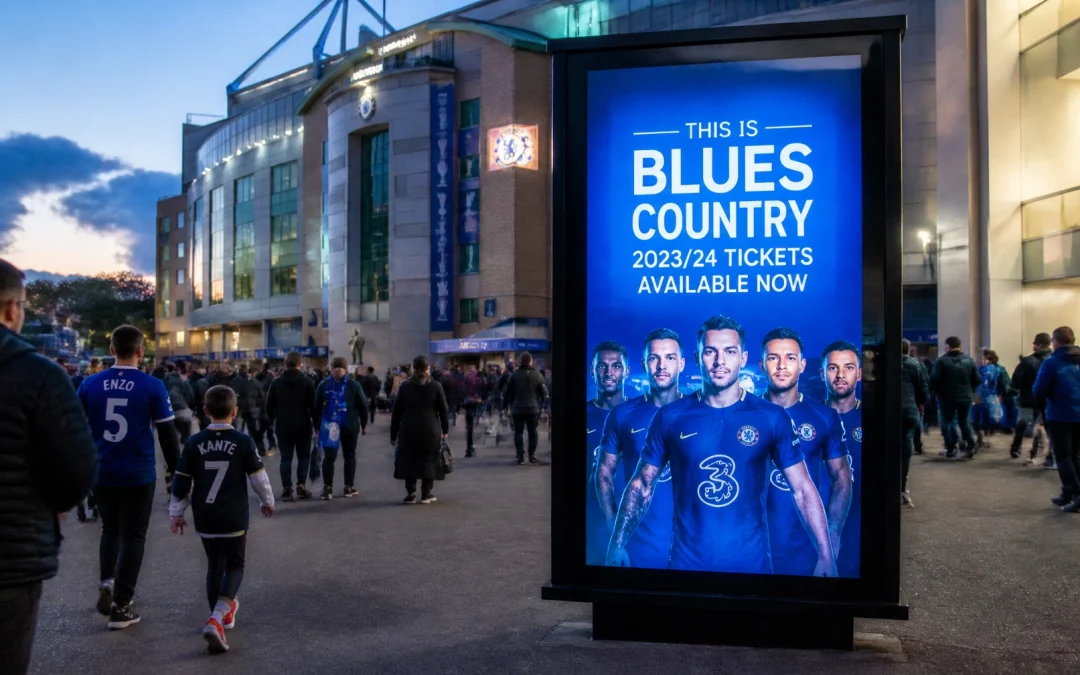
Digital out-of-home (DOOH) advertising has undergone a profound transformation. Once defined by static billboards along highways and transit corridors, the medium now serves as a dynamic, data-driven touchpoint within modern sports marketing ecosystems. As stadiums, arenas, and urban centers upgrade their infrastructure with high-resolution digital displays, brands are discovering unprecedented opportunities to connect with fans. OOH Sports provides comprehensive access to digital video advertising boards across every venue category, transforming how media buyers approach sports media planning.
This newsletter explores current industry insights, programmatic innovations, and strategic opportunities shaping the future of DOOH sports advertising. By understanding these shifts, brand managers and chief marketing officers can optimize campaign performance and achieve measurable engagement.
Market Growth and Financial Trends in Sports DOOH
The global DOOH market continues to expand at a remarkable pace, driven largely by place-based networks in sports venues, transit hubs, and entertainment districts. Industry forecasts project the global DOOH market to reach multi-billion-dollar valuations over the next decade, with compound annual growth rates consistently outperforming traditional media channels.
Within this broader expansion, sports venues act as powerful catalysts for investment. Major sporting events, leagues, and tournaments prompt municipalities and stadium developers to integrate digital signage directly into public infrastructure. Consequently, sports-related DOOH captures significant attention from media buyers seeking high-impact visibility.
Research from industry associations highlights high consumer receptivity in these environments. A substantial majority of adults recall outdoor advertisements associated with major sporting events, and an overwhelming percentage take subsequent actions, such as tuning into broadcasts, discussing the campaign with peers, or interacting via mobile devices. This robust consumer response underscores the strategic value of placing brand messaging where fan passion runs highest.
Programmatic DOOH Adoption and Strategic Buying
The integration of programmatic technology represents one of the most significant advancements in sports advertising. Programmatic DOOH allows advertisers to buy, schedule, and optimize inventory through the same demand-side platforms (DSPs) utilized for display, mobile video, and connected TV (CTV).
While manual buying retains a role for unique, high-customization placements, programmatic adoption accelerates across major media agencies. Programmatic guaranteed deals enable brands to secure premium inventory around high-demand fixtures, such as championship finals, playoff series, and international tournaments.
Automation brings unprecedented flexibility to campaign execution. Advertisers no longer need to lock in static creative weeks in advance. Instead, campaigns can be deployed, paused, or modified across multiple venue networks in real time, matching the fast-paced nature of modern sports calendars. For further details on how programmatic platforms deliver real-time engagement at scale, review the insights available at OOH Sports Network Updates.
Venue Infrastructure and Perimeter Display Innovations
Modern sports venues feature sophisticated visual architectures designed to maximize fan immersion. From massive center-hung video boards and concourse screens to ribbon displays and perimeter LED boards, venues offer diverse canvases for brand storytelling.

Perimeter advertising, in particular, has emerged as a premier format for capturing viewer attention both inside the stadium and through televised broadcasts. Positioned immediately around the playing surface, perimeter displays ensure continuous brand exposure during peak moments of athletic competition.
Beyond the stadium bowl, outdoor networks extend into surrounding transit hubs, sports bars, retail centers, and parking corridors. This creates an omni-venue fan journey, allowing brands to accompany supporters from their arrival at public transport terminals all the way to their seats inside the arena. More information regarding stadium perimeter strategies can be found in the analysis on Stadium Perimeter Advertising.
Real-Time Data Triggers and Dynamic Creative Optimization
Static posters are rapidly being replaced by context-aware, data-triggered creatives. Programmatic DOOH empowers marketers to adjust messaging instantly based on environmental and game-day variables.
Dynamic creative optimization (DCO) allows campaigns to respond to live data feeds, incorporating:
- Live scores, game clocks, and match outcomes
- Real-time odds and betting lines for sportsbooks
- Foot traffic density near stadium perimeters
- Local weather conditions and temperature shifts
When a local team secures a victory or an intense match enters overtime, programmatic triggers can automatically activate celebratory or urgent creative variations. This responsiveness transforms DOOH from a purely awareness-driven medium into a reactive, performance-oriented channel that resonates deeply with sports enthusiasts. Additional context on digital innovation in this sector is explored within Sports DOOH Innovation.
Measuring Fan Engagement and Behavioral Outcomes
Accountability remains a top priority for chief marketing officers and media planners. Modern DOOH campaigns are supported by sophisticated attribution methodologies that link outdoor exposure to tangible consumer actions.

By leveraging anonymized mobile device IDs exposed to venue-perimeter geofences, analytics platforms measure post-exposure behaviors such as:
- Application downloads and digital sign-ups
- Retail store visits and merchandise purchases
- Website traffic increases following major matches
- Cross-channel social media engagement and brand lift
Studies consistently indicate that audiences exposed to targeted sports DOOH exhibit higher brand preference ratings and stronger purchase intent compared to unexposed control groups. This data-backed accountability reassures stakeholders that sports marketing investments deliver measurable returns.
Practical Takeaways for Media Buyers and Brand Managers
To capitalize on the current trends in DOOH sports advertising, media planners should consider several actionable strategies:
- Map the Fan Journey: Extend campaign footprints beyond the immediate stadium bowl to include surrounding transit hubs, parking corridors, and local sports hospitality venues.
- Utilize Programmatic Guaranteed: Secure premium inventory ahead of high-profile sporting events to guarantee visibility during peak cultural moments.
- Implement Dynamic Content: Integrate live data feeds, scores, and contextual triggers to keep messaging relevant and engaging in real time.
- Combine Brand and Performance: Balance large-scale visual storytelling with direct response elements such as QR codes, app download prompts, and localized offers.
For organizations seeking tailored guidance on network coverage and media planning, consulting with specialists through the OOH Sports Contact Page provides direct access to expert advice.
Community Engagement and Future Outlook
The expansion of digital out-of-home advertising in sports relies heavily on collaboration among brands, agencies, venue operators, and technology partners. As programmatic platforms become more sophisticated and venue networks expand their digital footprints, the boundaries between physical attendance and digital media will continue to blur.

Industry professionals are encouraged to stay informed on emerging standards, data privacy protocols, and creative formats. Engaging with industry discussions, reviewing benchmark reports, and exploring comprehensive network capabilities through the main OOH Sports Website ensures that marketing teams remain at the forefront of sports advertising innovation.