

The landscape of sports advertising is undergoing a fundamental transformation as digital out of home (DOOH) technology moves from the periphery to the center of media planning. OOH Sports has reached a significant milestone in network expansion, establishing a footprint that now commands the attention of major brands and media agencies. This growth is not merely about the number of screens but the strategic placement and programmatic capabilities that allow advertisers to reach fans with unprecedented precision.

The Strategy Behind the Expansion
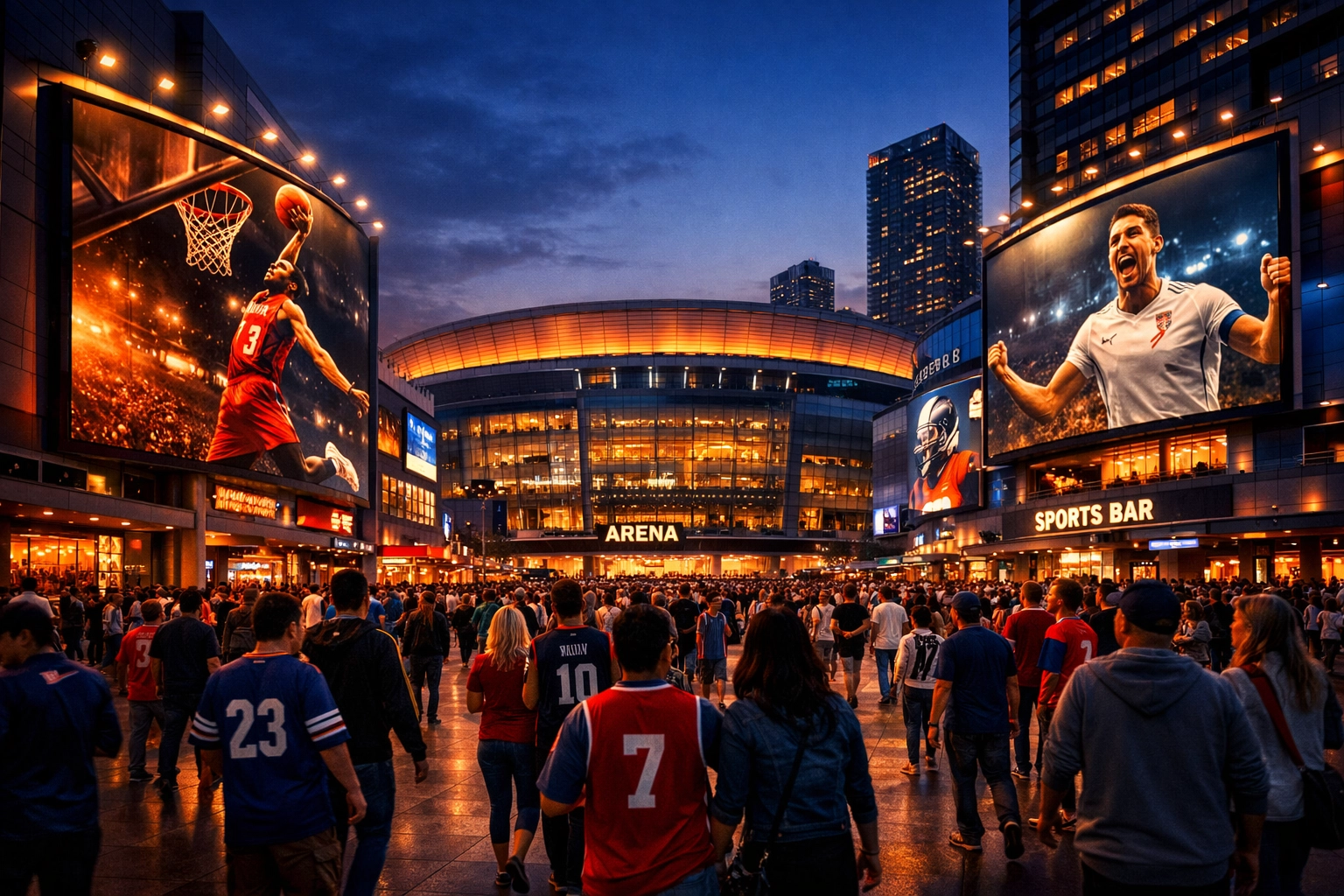
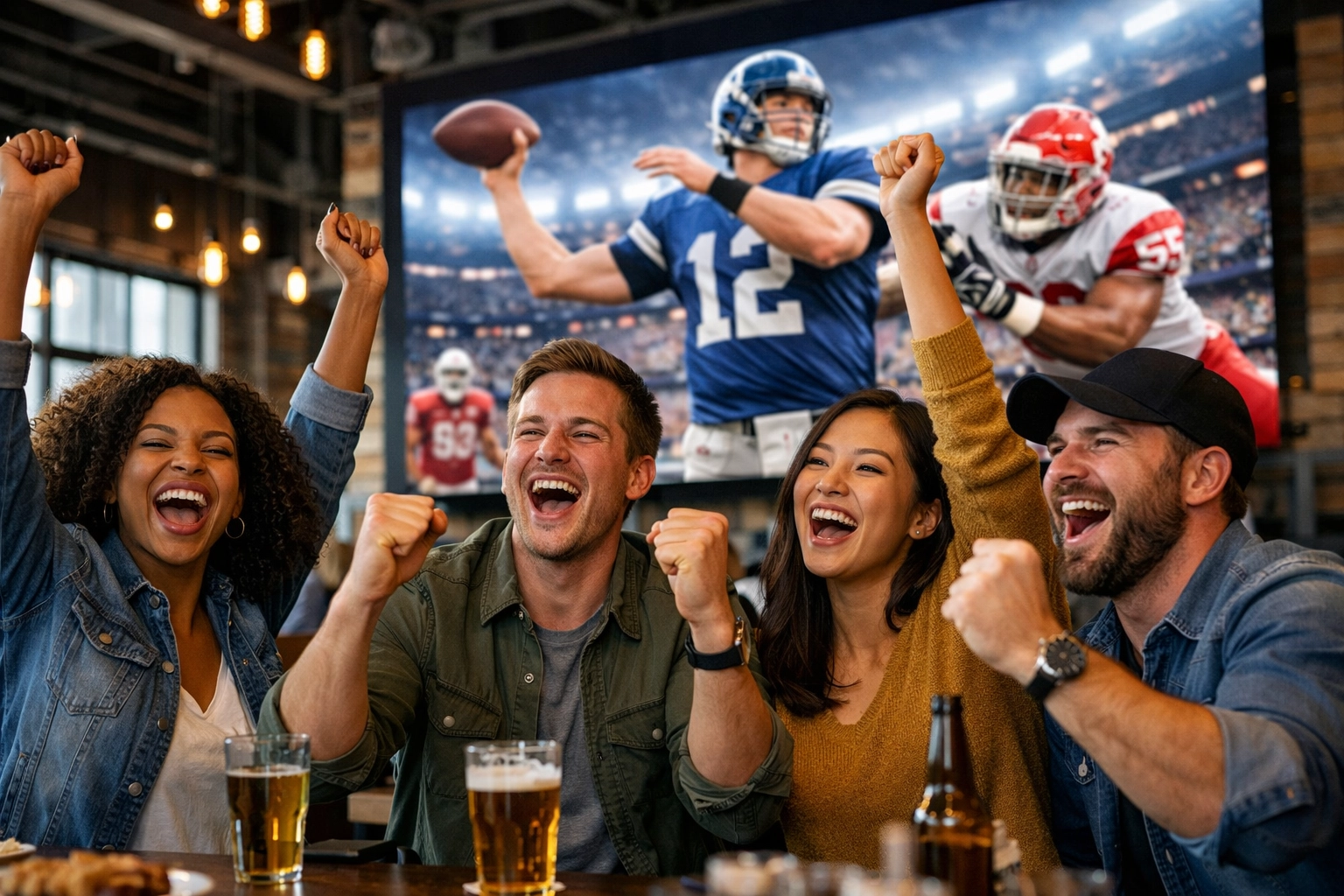
The recent growth of the OOH Sports network is built on a simple objective: providing brands with a direct line to sports fans at every touchpoint of their journey. While traditional stadium sponsorships often limit a brand to a single physical location, the OOH Sports model expands that reach across 25,000 digital screens. This network includes high-traffic areas such as sports bars, transit hubs, retail locations, and digital billboards surrounding major arenas.
By focusing on stadium perimeter targeting, the network captures the attention of fans both before and after the game. This strategy acknowledges that the modern fan experience begins long before the first whistle and continues well after the final buzzer. The ability to maintain brand presence throughout this entire lifecycle is a primary driver behind the increasing demand for the network services.
Objective and Network Scale
The primary objective of this expansion is to solve the problem of audience fragmentation. As sports fans shift their attention across various streaming platforms and social media, OOH Sports provides a physical anchor for brand messaging. The network now serves as a bridge between digital online campaigns and the real world.
The scale of the network allows for massive reach, yet the technology behind it ensures that this reach is not wasted on irrelevant audiences. Media buyers can now leverage geographically targeted DOOH strategies that boost fan engagement by significant margins. In fact, localized campaigns have shown the ability to boost fan engagement by as much as 90 percent when executed with real-time data.
Technology Partners and Programmatic Integration
A key factor in the rapid adoption of the OOH Sports network is its seamless integration with leading demand-side platforms (DSPs). By partnering with innovators like StackAdapt, OOH Sports has made programmatic DOOH a standard component of omnichannel campaigns. This integration allows media buyers to purchase screen time with the same ease and data-driven targeting they expect from mobile or desktop advertising.
The move toward programmatic DOOH removes the friction traditionally associated with out of home advertising. There are no longer long lead times or static creative requirements. Instead, brands can launch real-time sports betting campaigns or update creative assets in under 24 hours to reflect current game scores or player performances. This agility is essential in the fast-paced world of sports marketing where relevance can expire in a matter of minutes.
Quantifiable Results and Brand Impact
The growth of the OOH Sports network is validated by a series of high-profile campaigns that have delivered measurable results. These results highlight the effectiveness of the network across various product categories, from beverages to power sports.
For example, the White Claw programmatic DOOH campaign utilized the network to launch a new vodka product. By targeting specific demographics and locations, the campaign drove a 74 percent lift in purchase consideration. This success story illustrates how the network can move the needle on consumer intent by appearing in the right context at the right time. You can read more about this specific execution here: White Claw Case Study.
Similarly, AB InBev utilized the OOH Sports network for its Mike’s Hard Iced Tea brand. This campaign saw a 119 percent lift in positive brand image. The data suggests that the environment in which an ad is seen: in this case, around sports-related activities: significantly colors the consumer's perception of the brand. For a detailed breakdown of the brand image lift, see: AB InBev Results.
Performance Across Diverse Categories
The network's growth is not limited to traditional "game day" products. Sea-Doo leveraged the OOH Sports network for its first digital OOH campaign, resulting in a 144 percent increase in purchase consideration. This demonstrates the network's ability to reach high-income enthusiasts who are already in a recreational mindset. More details on this campaign can be found here: Sea-Doo Campaign Analysis.
These figures prove that the OOH Sports network is a viable tool for driving ROI across the board. Whether a brand is an official sponsor or utilizing a "guerrilla" approach: similar to how Nike captured attention during the NYC Marathon without being an official sponsor: the network provides the visibility required to dominate the conversation. Insights on that strategy are available here: Nike NYC Marathon Strategy.
Solving the Measurement Problem
Historically, the biggest hurdle for out of home advertising has been measurement. OOH Sports has addressed this by implementing AI-powered analytics and device ID tracking. This technology allows advertisers to see exactly how many people were exposed to a screen and, more importantly, what those people did afterward.
By tracking exposed device IDs, brands can measure foot traffic to retail locations or lift in online searches following a campaign. This data-driven approach eliminates the guesswork that once plagued the industry. Advertisers are no longer buying "potential impressions"; they are buying verified reach and measurable outcomes. For more on how to avoid common measurement pitfalls, visit: 7 Mistakes in Sports DOOH Measurement.
The Shift from Traditional to Digital
As the OOH Sports network grows, many media planners are re-evaluating their spend on traditional stadium perimeter ads. While a static board inside a stadium has value, it lacks the flexibility and data integration of a digital screen. The programmatic nature of the OOH Sports network allows for "dayparting": showing different ads at different times of day: and "weather-triggering," where creative changes based on local conditions.
The cost-effectiveness of this approach is driving a significant shift in budget allocation. Estimates suggest that 67 percent of media planners are shifting budgets toward these more flexible digital options. The ability to capture a share of the projected 50 billion dollar sports advertising market by 2030 depends on adopting these real-time strategies.

Execution and Logistics
Deploying a campaign on the OOH Sports network is a structured process designed for efficiency.
- Audience Identification: Utilizing historical data to find where the target sports fan congregates.
- Geofencing: Setting specific digital boundaries around stadiums or high-traffic retail areas.
- Creative Optimization: Using dynamic creative that can update in real-time based on live sports data.
- Programmatic Bidding: Executing the buy through a DSP to ensure the best possible placement for the budget.
- Real-Time Monitoring: Adjusting the campaign on the fly based on performance metrics.
- Attribution Analysis: Measuring the final impact on brand lift and purchase intent.
This logistical framework ensures that every dollar spent is optimized for maximum impact. By focusing on fan-centric campaigns rather than just brand-centric ones, advertisers can create a more meaningful connection with their audience. The difference between these two approaches is explored further here: Fan-Centric vs Brand-Centric ROI.
Conclusion
The growth of the OOH Sports network represents a new era in sports marketing. With 25,000 screens and advanced programmatic capabilities, it offers a level of reach and precision that was previously unattainable. For media buyers and brands, the message is clear: the most effective way to reach the modern sports fan is through a network that is as dynamic and mobile as the fans themselves.
As more brands move away from traditional sponsorships and toward data-driven DOOH, the influence of OOH Sports will only continue to expand. For those looking to explore the full potential of this network, the OOH Sports Sitemap provides a comprehensive directory of resources and strategic insights. The future of sports advertising is digital, it is out of home, and it is happening right now on the OOH Sports network.