
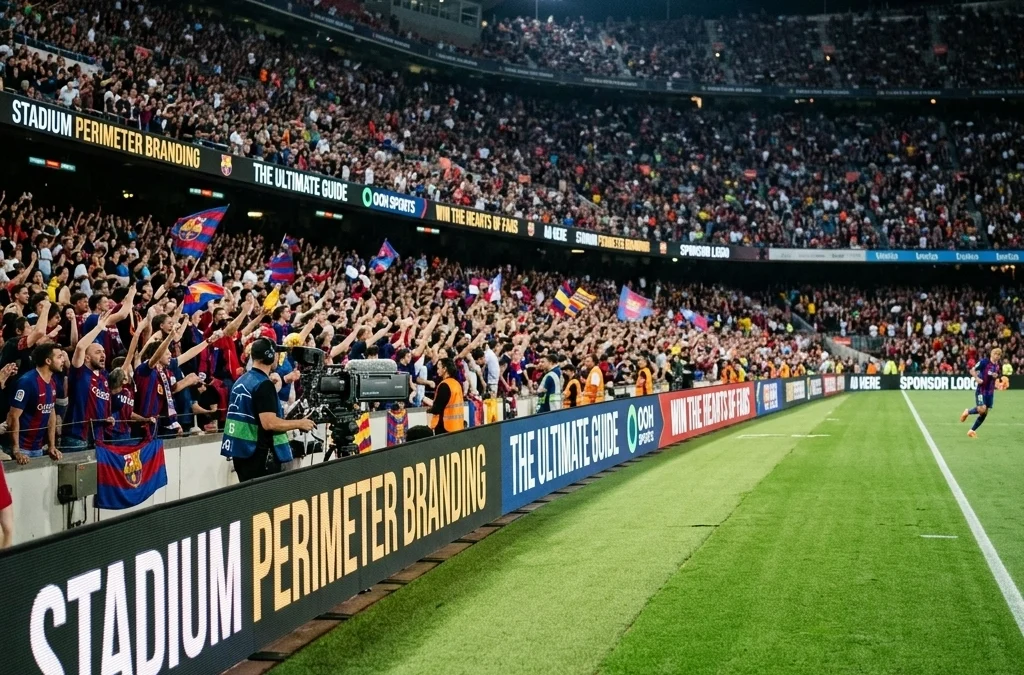
The stadium environment is unlike any other advertising space. It is a place of high emotion, undivided attention, and collective experience. For brands looking to capture the hearts and minds of fans, the area surrounding the field of play represents the most valuable real estate in sports. Stadium perimeter branding, often referred to as the sideline or pitch-side advertising, has evolved from simple static boards into a sophisticated digital ecosystem. This guide explores how advertisers can leverage this medium to maximize impact and build lasting brand loyalty.
Defining Stadium Perimeter Branding
Stadium perimeter branding involves the placement of advertisements along the boundaries of a sports field. These displays are visible to the live audience in the stands and, perhaps more importantly, to millions of viewers watching via television and digital streams. While traditional sports marketing relied on printed banners, modern stadiums now utilize advanced LED display systems. These modular panels create a seamless wall of light and motion that can adapt to the flow of the game in real time.
These LED systems are built for performance and safety. They feature high brightness levels to ensure visibility under stadium floodlights or direct sunlight. To protect the athletes, the boards are designed with soft front masks and smooth surfaces. This technology ensures that if a player collides with the perimeter during a high speed play, the risk of injury is minimized while the structural integrity of the display remains intact.
The Strategic Power of Rotation
One of the most critical decisions for a CMO or Creative Director is choosing the rotation format. Unlike static boards where a brand is visible for the entire game, digital perimeter boards allow for varied exposure strategies. The choice of rotation affects how often a brand is seen and the level of message complexity that can be delivered.
Full rotation is the most premium option. In this setup, a single sponsor occupies the entire perimeter area for a set duration, usually thirty seconds. This creates a powerful, uncluttered visual that dominates the camera view. It provides a high intensity of contact and allows for long form communication or complex animations.
Alternatively, some campaigns benefit from a 4:4 or 2:2 rotation. In a 4:4 rotation, four sponsors share the perimeter boards equally. This balances the quality of exposure with the frequency of appearance. For brands focusing on logo recognition rather than storytelling, multisession rotations allow up to fourteen sponsors to be featured simultaneously in smaller, equal sized sections. This approach focuses on constant visibility across every sequence of the broadcast.
Visibility Beyond the Stadium
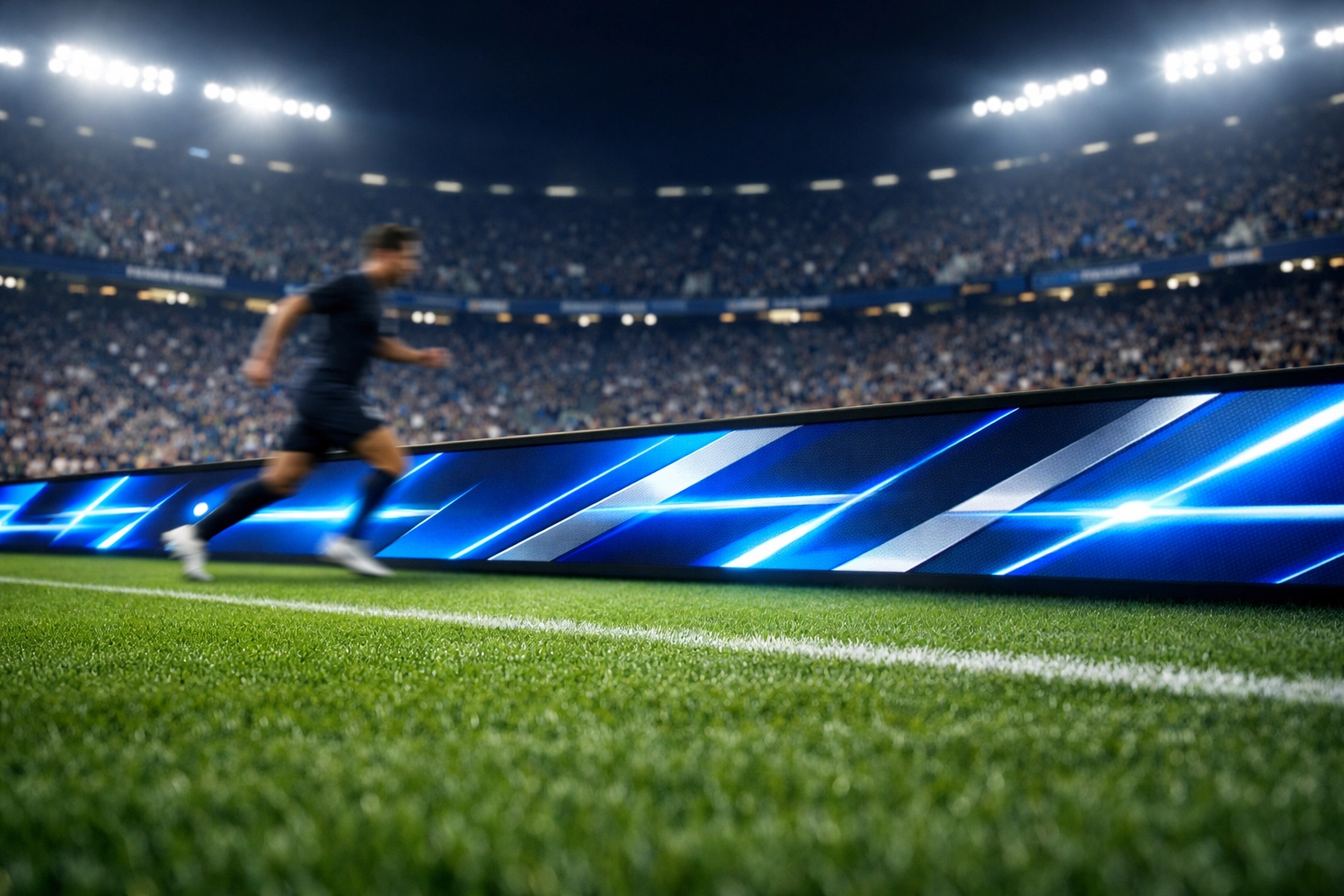
While the fans in the seats are a vital demographic, the true scale of stadium perimeter branding is found in global broadcast reach. Premium placements, such as the first row TV perimeter boards, are positioned specifically to align with the primary camera angles used during matches. These boards often cover over 150 meters in length, ensuring that the brand is present in almost every wide shot and replay.
Other specialized placements include:
- Cam Carpets: These are printed displays placed on the ground next to the goals. They use specialized printing techniques to appear as 3D standing displays when viewed through a television camera.
- Electronic Corner Boards: Positioned at the corner flags, these are often booked for high impact moments like corner kicks, which draw intense viewer focus.
- Mini TV Perimeter Boards: These are smaller units placed directly behind the sidelines to ensure visibility during close up shots, throw ins, and sideline charges.
By using a combination of these placements, a brand can maintain a consistent presence throughout the duration of the event.
Engagement and Creative Flexibility
The shift from static to digital has opened a world of creative possibilities. Creative Directors no longer need to settle for a stationary logo. Perimeter LED screens allow for animated content that naturally captures the eye. Movement is a powerful tool in a crowded visual environment. A subtle animation or a scrolling message can draw the viewer's attention away from the action on the field for the critical seconds needed to deliver a brand message.
Real time content delivery is another major advantage. Brands can now integrate live statistics, player profiles, or even social media feeds into their perimeter displays. This level of integration makes the advertisement feel like a part of the game experience rather than an interruption. For example, a sports betting brand might display real time odds that change as the score fluctuates. For more on this, advertisers can explore how to launch real-time sports betting campaigns.
Integrating Programmatic DOOH and ROI
The integration of programmatic Digital Out of Home (DOOH) technology has revolutionized how stadium ads are bought and measured. Traditionally, stadium sponsorships were long term, rigid contracts. Today, programmatic platforms allow for more flexible, data driven executions. This technology enables brands to sync their stadium presence with other digital channels, creating a cohesive omnichannel campaign.
When comparing programmatic DOOH to traditional stadium ads, the ability to measure ROI becomes much clearer. Advertisers can track exposure and use mobile location data to understand how fans interact with the brand after leaving the stadium. Studies have shown significant lifts in brand awareness and purchase intent when using these advanced targeting methods. For instance, some campaigns have seen purchase consideration increases of over 100 percent by using targeted DOOH strategies.
The market for sports advertising is growing rapidly. It is projected that DOOH sports advertising will reach massive global figures as more venues upgrade to digital infrastructure. This growth provides a significant opportunity for brands to capture their share of the market through strategic perimeter placements.
Planning and Executing the Campaign
A successful perimeter branding campaign requires careful planning. It is not enough to simply place a logo on a screen. Creative Directors must consider the viewing distance, the speed of the game, and the colors used in the creative. Bright colors and high contrast visuals tend to perform best in stadium environments.
Avoid the common mistakes often made with sports DOOH campaigns, such as overly cluttered designs or failing to account for how the content will look on a television screen. The goal is to be a part of the fan's excitement, not a distraction from it.
Strategic targeting is also essential. Different matches attract different demographics. A local derby might require a different messaging strategy than an international tournament. By using perimeter targeting, brands can ensure their message resonates with the specific audience in attendance and the viewers watching from home.
Measuring Success with Data
In the modern marketing landscape, data is king. The effectiveness of stadium perimeter branding is no longer a matter of guesswork. Modern analytics allow brands to measure reach, frequency, and engagement with high precision. By using AI powered tools, advertisers can analyze the amount of time a brand was visible on screen during a broadcast and correlate that with web traffic or sales spikes.
Measurement also extends to the physical world. By analyzing anonymized mobile device data, brands can determine how many people who were exposed to the stadium ads later visited a retail location or searched for the brand online. This level of attribution is a game changer for CMOs who need to justify their marketing spend.

The Future of the Sideline
As technology continues to advance, the line between the physical stadium and the digital world will continue to blur. Augmented reality and personalized broadcasting may soon allow different viewers to see different advertisements on the same perimeter board depending on their location or preferences.
For now, stadium perimeter branding remains one of the most effective ways to reach a large, engaged, and passionate audience. By combining the emotional power of live sports with the technical precision of digital OOH, brands can create memorable experiences that win the hearts of fans long after the final whistle has blown.
Stadium advertising is a major investment, but when executed with a clear strategy and the right technology partners, it delivers an unparalleled return on attention. Whether the goal is to drive immediate action or build long term brand equity, the perimeter is the place to be. For more insights on the shifting landscape of media budgets, readers can view why media planners are shifting budgets toward sports DOOH.